
Introduction
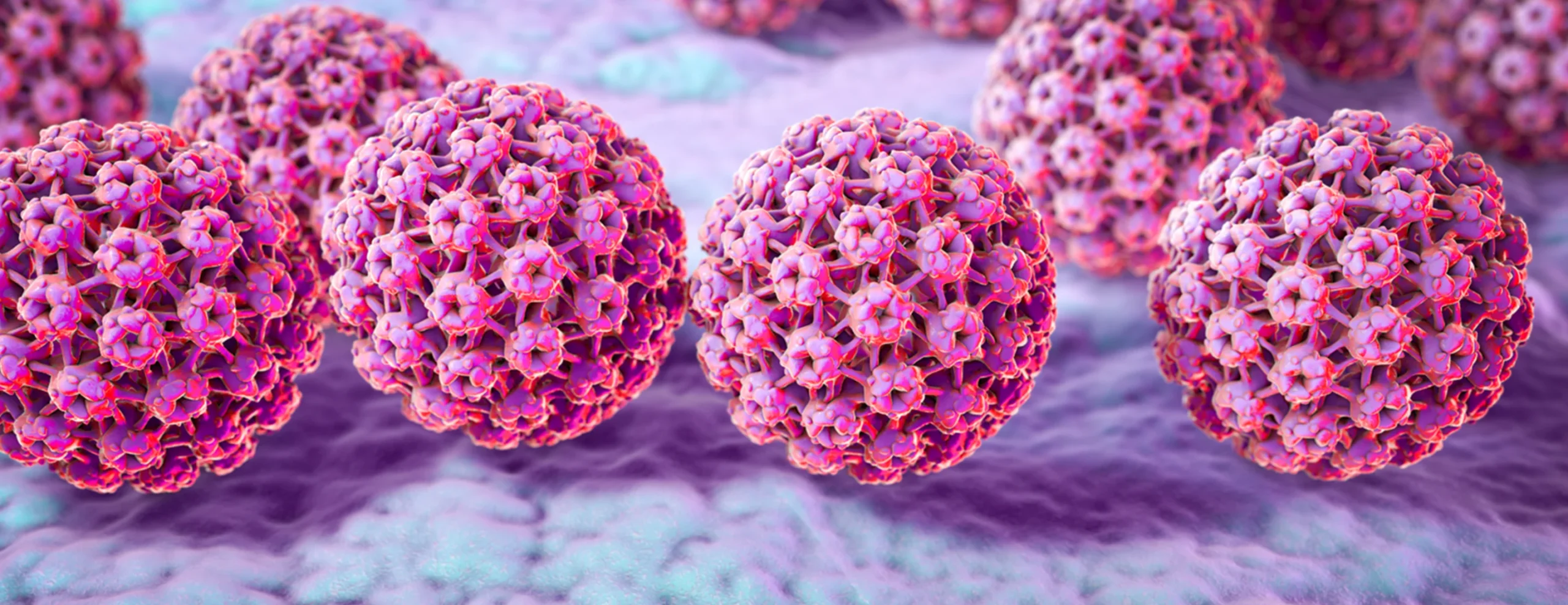
Warts are small, rough skin growths caused by the Human Papillomavirus (HPV). They can appear anywhere on the body and vary in size and shape. Warts are common and generally harmless, but they can be unsightly and sometimes painful. Understanding their causes, symptoms, treatment options, and preventive measures can help manage and avoid them effectively.
What Are Warts?
Warts are benign skin growths that occur when the HPV virus infects the top layer of the skin. The infection triggers rapid cell growth, leading to the formation of rough, raised bumps. Warts can spread through direct contact with infected individuals or contaminated surfaces.
Causes of Warts
The primary cause of warts is the Human Papillomavirus (HPV), which has over 100 different strains. Some strains cause harmless warts on the hands and feet, while others may lead to genital warts or even cervical cancer. The virus enters the body through cuts or breaks in the skin, making those with weakened immune systems more susceptible.
Common Ways HPV Spreads:
- Direct skin-to-skin contact with an infected person
- Touching contaminated objects such as towels, shoes, or gym equipment
- Biting nails or picking at existing warts
- Walking barefoot in public places like swimming pools and locker rooms
Types of Warts
1. Common Warts (Verruca Vulgaris)
- Typically appear on fingers, hands, and knees
- Have a rough, grainy texture
- Often feature tiny black dots (clotted blood vessels)
2. Plantar Warts
- Found on the soles of the feet
- Can cause pain while walking due to pressure
- Often grow inward due to foot pressure
3. Flat Warts
- Smaller and smoother than common warts
- Commonly appear on the face, arms, or legs
- Often occur in clusters
4. Filiform Warts
- Appear on the face, particularly around the mouth, nose, or eyes
- Have a finger-like, elongated shape
- Can grow rapidly
5. Genital Warts
- Appear in the genital and anal areas
- Spread through sexual contact
- Can be small, flat, or cauliflower-shaped growths
Symptoms of Warts
- Small, raised bumps on the skin
- Rough, grainy texture
- Black pinpoint dots (tiny clotted blood vessels)
- Pain or tenderness (especially in plantar warts)
- Clustering of warts in some cases
Treatment for Warts
While some warts disappear on their own, others may require treatment. Several medical and home remedies can help remove warts effectively.
Home Remedies:
- Salicylic Acid: Available in over-the-counter gels and patches, salicylic acid helps break down the wart tissue.
- Duct Tape Method: Covering a wart with duct tape for several days and then exfoliating may help remove it.
- Apple Cider Vinegar: The acidic nature of vinegar may help kill the virus over time.
Medical Treatments:
- Cryotherapy: Freezing the wart with liquid nitrogen to destroy the infected tissue.
- Electrosurgery: Burning the wart using electrical currents.
- Laser Therapy: Using laser light to break down wart tissue.
- Prescription Medications: Topical creams like imiquimod boost the immune response to fight the virus.
- Surgical Removal: A doctor may cut out stubborn warts.
Prevention of Warts
Preventing HPV infection is key to avoiding warts. Here are some effective measures:
- Avoid direct contact with warts, including your own.
- Do not share personal items like razors, towels, or shoes.
- Wear protective footwear in public showers and swimming pools.
- Keep hands and feet clean and dry to prevent infections.
- Boost immune function through a healthy diet and exercise.
- Get vaccinated against high-risk HPV strains, especially to prevent genital warts and HPV-related cancers.
Conclusion
Warts caused by the Human Papillomavirus (HPV) are common but manageable. Understanding the causes, types, symptoms, treatment, and preventive measures can help individuals take the right steps to manage and prevent warts effectively. If you have persistent or bothersome warts, consult a healthcare professional for proper diagnosis and treatment.

Leave a Reply