
Introduction
Vitiligo is a long-term skin condition that causes patches of skin to lose their pigment, turning white due to the destruction of melanocytes (the cells responsible for skin color). It affects people of all ages, genders, and ethnic backgrounds. Although vitiligo is not life-threatening or contagious, it can impact self-confidence and mental well-being.
In this blog, we will explore vitiligo in detail, including its causes, symptoms, available treatments, home remedies, and lifestyle management tips.
What is Vitiligo?
Vitiligo is a chronic skin disorder where the immune system mistakenly attacks melanocytes, leading to depigmented patches on the skin. It can affect various parts of the body, including the face, hands, legs, and even the scalp.
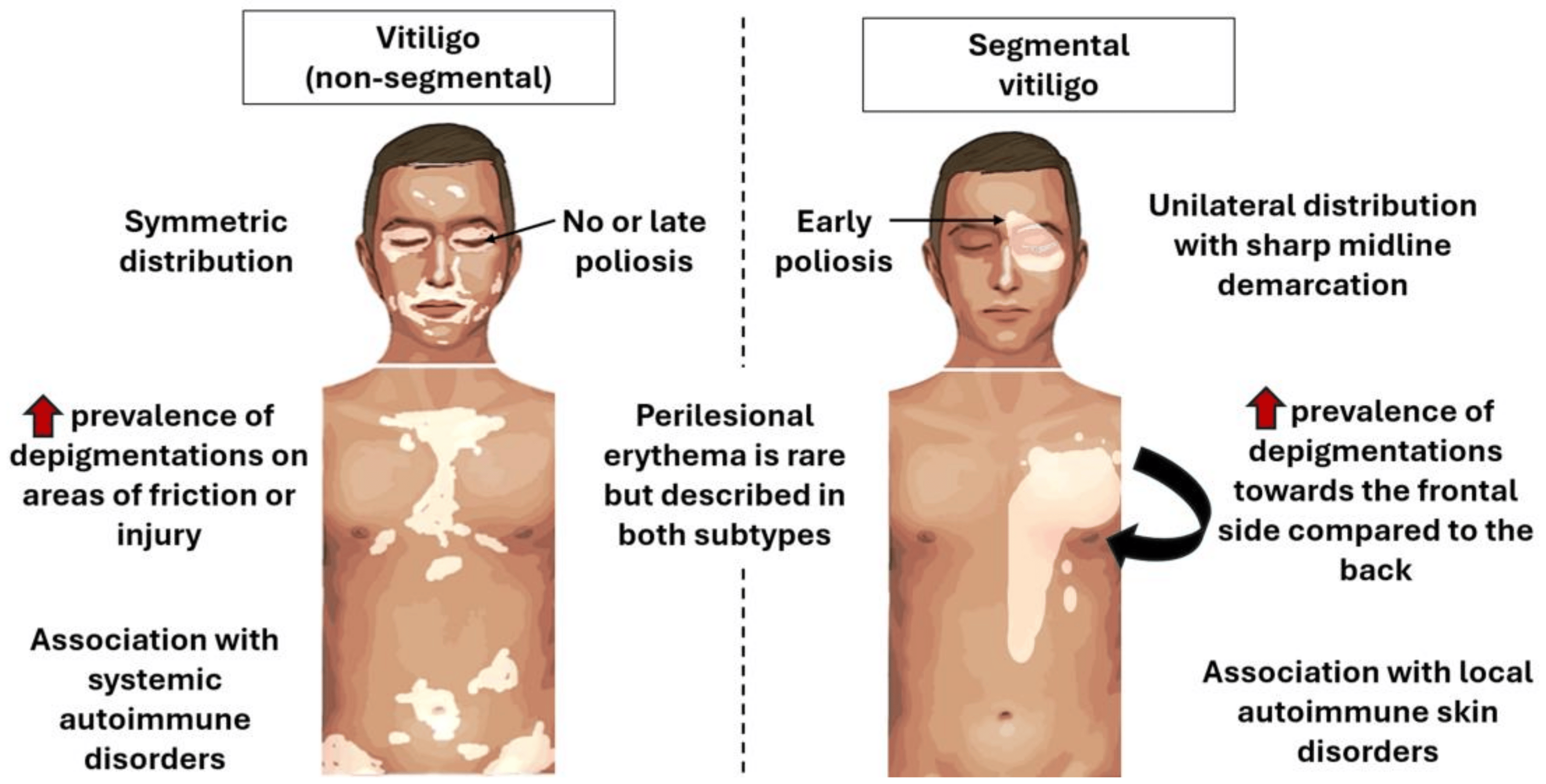
Types of Vitiligo
Vitiligo is classified into different types based on its spread and affected areas:
Causes of Vitiligo
The exact cause of vitiligo is unknown, but several factors contribute to its development:
- Autoimmune Disorder – The immune system mistakenly destroys melanocytes.
- Genetic Factors – A family history of vitiligo increases the risk.
- Environmental Triggers – Sunburn, stress, or chemical exposure may trigger vitiligo.
- Neurogenic Factors – Nerve-related issues affecting melanocytes.
- Vitamin Deficiency – Low levels of vitamin B12, D, and folic acid may contribute.
Symptoms of Vitiligo
- White patches on the skin, usually starting in sun-exposed areas.
- Loss of skin color in the mouth, nose, and eyes.
- Premature graying or whitening of hair, eyelashes, and eyebrows.
- In some cases, sensitivity to sunlight.
Diagnosis of Vitiligo
A dermatologist typically diagnoses vitiligo through:
- Physical Examination – Checking white patches on the skin.
- Wood’s Lamp Test – Using ultraviolet light to detect depigmented areas.
- Skin Biopsy – Examining affected skin under a microscope.
- Blood Tests – To check for autoimmune diseases and vitamin deficiencies.
Treatment Options for Vitiligo
While there is no permanent cure for vitiligo, several treatments help manage the condition:
Medical Treatments
- Topical Corticosteroids – Help restore skin color in early stages.
- Calcineurin Inhibitors (Tacrolimus, Pimecrolimus) – Effective for sensitive areas like the face.
- Psoralen and Ultraviolet A (PUVA) Therapy – A light therapy combined with a special medication.
- Excimer Laser Therapy – Uses UVB light to stimulate repigmentation.
- Depigmentation Therapy – Used for widespread vitiligo to even out skin tone.
Surgical Treatments
- Skin Grafting – Transferring pigmented skin to affected areas.
- Melanocyte Transplantation – Transplanting melanocytes to restore color.
Home Remedies & Natural Treatments
- Turmeric and Mustard Oil Paste – Believed to promote pigmentation.
- Ginkgo Biloba – Known for its antioxidant properties and potential repigmentation effects.
- Aloe Vera – Soothes and hydrates the skin.
- Coconut Oil – Helps in skin nourishment and reducing inflammation.
- Diet Rich in Antioxidants – Including fresh fruits, vegetables, and omega-3 fatty acids.
Lifestyle and Skin Care Tips for Vitiligo Patients
- Sun Protection – Always apply sunscreen (SPF 30+) to prevent sunburn.
- Moisturization – Keep skin hydrated to avoid dryness.
- Healthy Diet – Include foods rich in vitamins B12, D, and folic acid.
- Avoid Stress – Practice meditation and yoga to reduce stress levels.
- Cosmetic Camouflage – Use makeup or self-tanners to cover white patches.
- Regular Check-ups – Consult a dermatologist for proper monitoring and treatment.
Psychological Impact of Vitiligo
Many people with vitiligo experience low self-esteem and anxiety due to societal stigma. Support groups, therapy, and counseling can help patients cope with emotional challenges.
Conclusion
Vitiligo is a skin condition that requires proper medical attention, lifestyle adjustments, and emotional support. While there is no definitive cure, several treatments and home remedies can help manage it effectively. If you or a loved one is experiencing symptoms of vitiligo, consulting a dermatologist is the first step toward proper care and treatment.

Leave a Reply