
Introduction
Vasculitis is a rare but serious condition that causes inflammation of blood vessels. It can affect arteries, veins, and capillaries, leading to restricted blood flow and damage to vital organs. Understanding its causes, symptoms, and treatment options is essential for early diagnosis and management. In this blog, we will explore everything you need to know about vasculitis, including types, risk factors, diagnosis, and available treatments.
What is Vasculitis?
Vasculitis refers to a group of diseases characterized by inflammation of blood vessels. The inflammation can cause thickening, weakening, narrowing, or scarring of blood vessel walls, potentially leading to severe complications such as organ damage, aneurysms, or blood clots.
Types of Vasculitis
There are several types of vasculitis, classified based on the size of the affected blood vessels:
1. Large Vessel Vasculitis
• Giant Cell Arteritis (Temporal Arteritis): Affects large arteries, commonly seen in older adults, and can lead to vision problems and headaches.
• Takayasu’s Arteritis: Affects the aorta and its major branches, more common in young women.
2. Medium Vessel Vasculitis
• Polyarteritis Nodosa (PAN): Affects medium-sized arteries, leading to organ damage, particularly in the kidneys, heart, and intestines.
• Kawasaki Disease: Common in children, causing inflammation in coronary arteries and potential heart complications.
3. Small Vessel Vasculitis
• Granulomatosis with Polyangiitis (GPA, formerly Wegener’s): Affects small blood vessels in the lungs, kidneys, and sinuses.
• Microscopic Polyangiitis (MPA): Similar to GPA but primarily affects the lungs and kidneys.
• Eosinophilic Granulomatosis with Polyangiitis (EGPA, formerly Churg-Strauss): Involves asthma and high levels of eosinophils, affecting the lungs and other organs.
Causes and Risk Factors
Vasculitis is often an autoimmune condition where the immune system mistakenly attacks blood vessels. While the exact cause is unknown, several factors can trigger vasculitis:
- Infections: Hepatitis B, Hepatitis C, and other infections can lead to vasculitis.
- Autoimmune diseases: Lupus, rheumatoid arthritis, and Sjögren’s syndrome may increase the risk.
- Genetics: Some types of vasculitis run in families.
- Medications: Certain drugs, such as antibiotics or immune system suppressors, can trigger vasculitis.
- Environmental factors: Exposure to toxins or allergens can contribute.
Symptoms of Vasculitis
Symptoms of vasculitis vary based on the type and severity of the disease but often include:
- Fever, fatigue, and weight loss
- Muscle and joint pain
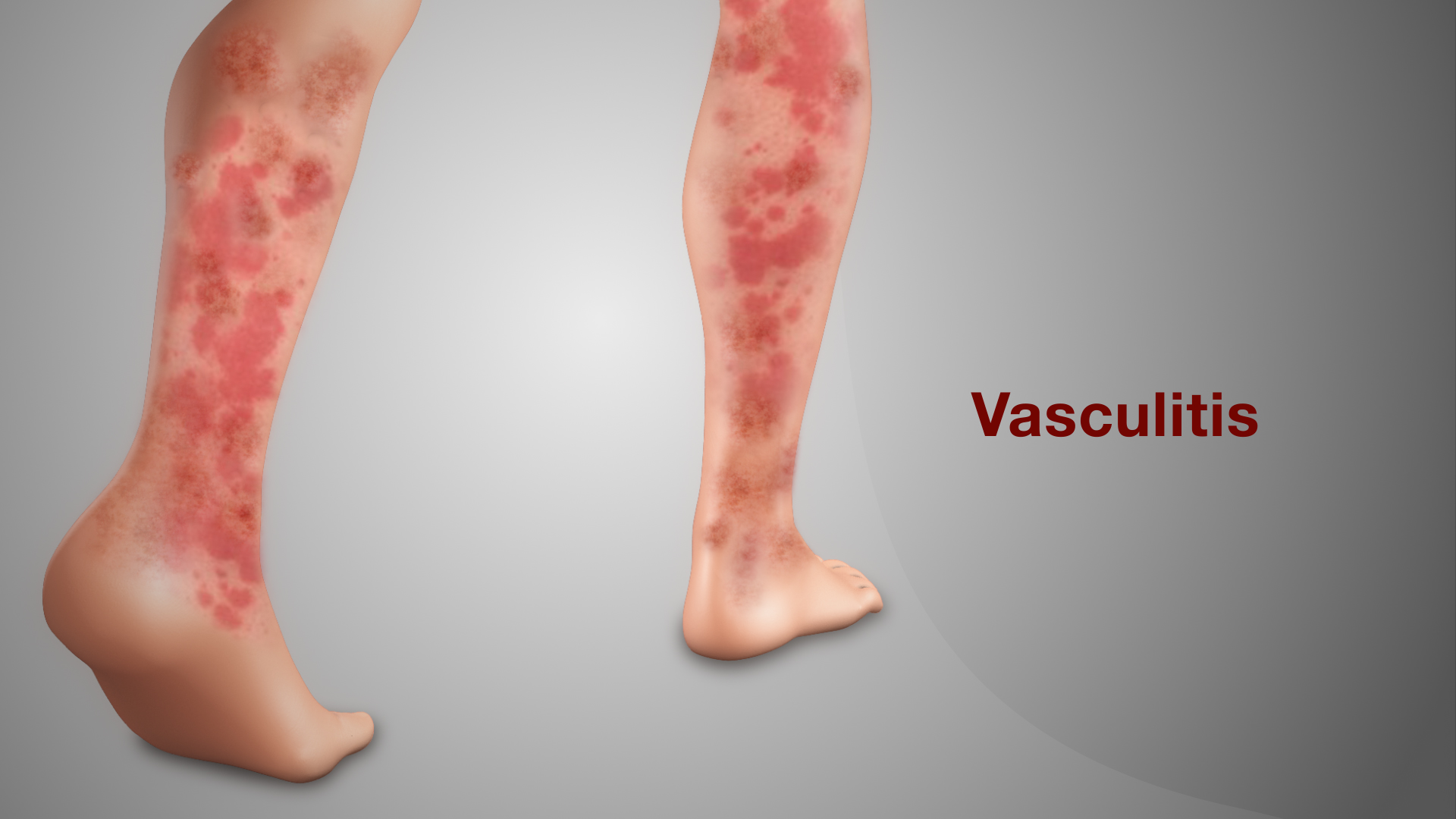
- Skin rashes, ulcers, or purple spots
- Nerve problems, such as numbness or tingling
- Shortness of breath or coughing (lung involvement)
- Abdominal pain and digestive issues
- Eye inflammation or vision changes
Treatment Options for Vasculitis
Treatment depends on the type and severity of vasculitis. Common treatment approaches include:
1. Medications
• Corticosteroids (Prednisone): Reduce inflammation and suppress the immune system.
• Immunosuppressive Drugs: Methotrexate, azathioprine, or cyclophosphamide to control immune system overactivity.
• Biologic Therapies: Rituximab or tocilizumab, especially for ANCA-associated vasculitis.
2. Lifestyle Changes and Home Remedies
• Healthy Diet: Anti-inflammatory foods such as leafy greens, fish, and whole grains.
• Regular Exercise: Helps maintain circulation and reduce fatigue.
• Avoid Smoking and Alcohol: Prevents further blood vessel damage.
• Regular Monitoring: Routine checkups to assess disease activity and medication side effects.
Complications of Vasculitis
If left untreated, vasculitis can lead to severe complications such as:
- Organ damage (kidneys, lungs, heart, brain)
- Blood clots and aneurysms
- Vision loss (in cases like giant cell arteritis)
- Neurological issues (stroke, nerve damage)
Conclusion
Vasculitis is a complex condition that requires early detection and comprehensive treatment to prevent serious complications. With the right medical care, lifestyle modifications, and ongoing monitoring, many people with vasculitis can lead full and active lives. If you experience persistent symptoms or have risk factors for vasculitis, consult a doctor for proper evaluation and management.

Leave a Reply