
Introduction
Infections of the vagina are a common health issue for women of all ages. They can be caused by yeast, bacteria, or sexually transmitted diseases (STDs). Maintaining good vaginal health necessitates an understanding of the symptoms, treatments, and prevention of these infections.
Types of Infections of the Vagina
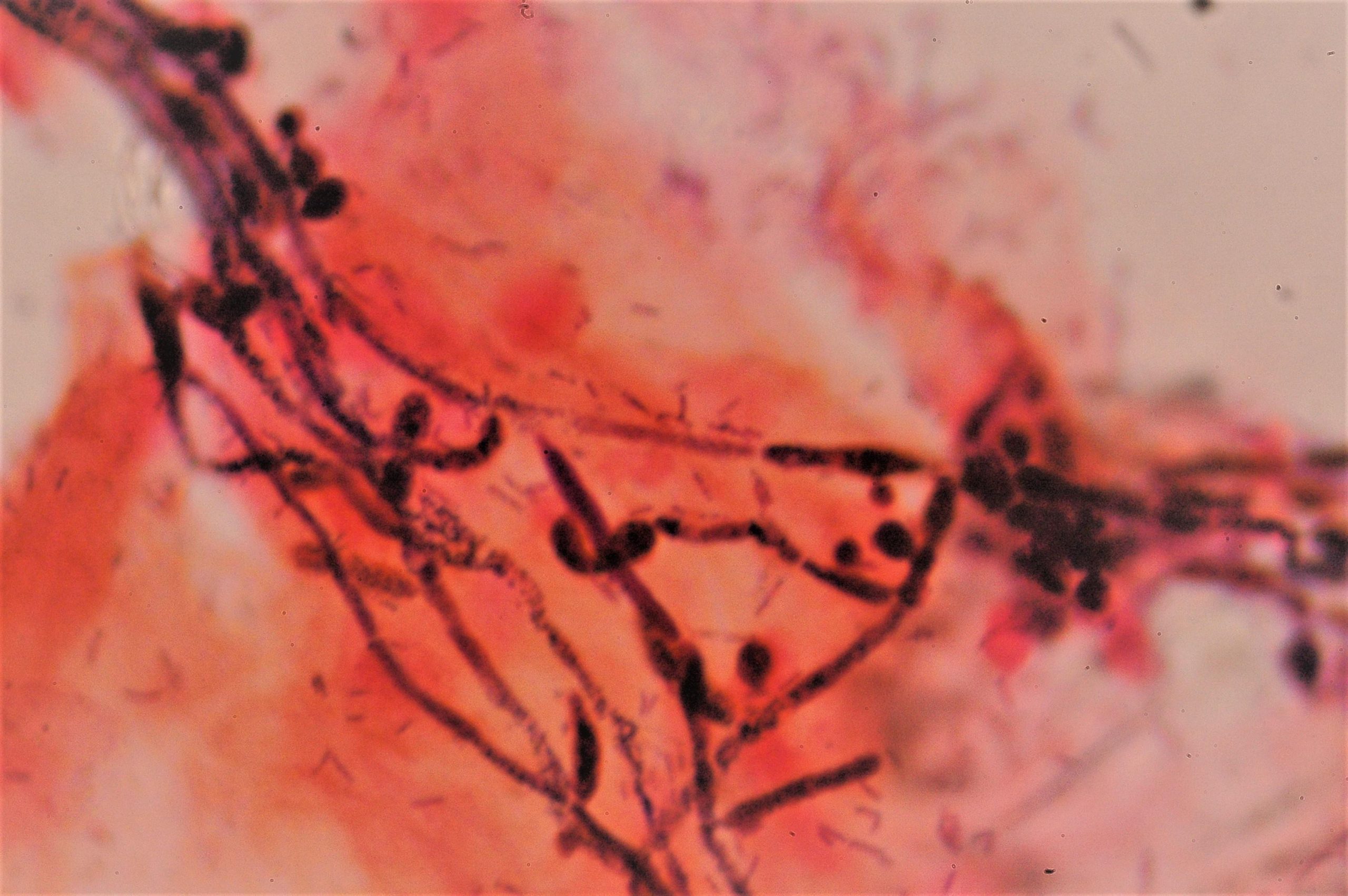
Yeast Infections (Candidiasis)
Causes:
- The fungus Candida albicans has grown too big. Taking antibiotics Pregnancy
- Diabetes uncontrolled compromised immune system hormonal changes brought on by menopause or birth control
Symptoms:
irritability and intense itchiness Vaginal discharge that is thick and white, like cottage cheese Swelling and redness of the vulva Burning sensation during urination or intercourse
Treatment:
- Over-the-counter antifungal creams and suppositories (e.g., clotrimazole, miconazole)
- Prescription oral antifungal medications (e.g., fluconazole)
- Probiotic supplements to restore vaginal flora
Prevention:
- Wear breathable cotton underwear
- Avoid excessive use of antibiotics
- Maintain good personal hygiene
- Reduce sugar intake
Bacterial Vaginosis (BV)
Causes:
- Overgrowth of harmful bacteria and an imbalance of vaginal bacteria Douching or using scented feminine hygiene products
- Numerous or brand-new partners Smoking
Symptoms:
- Thin, grayish-white vaginal discharge
- strong fishy smell, especially after sexual activity Itching or irritation (less common than in yeast infections)
- Mild burning during urination
Treatment:
- Prescription antibiotics such as metronidazole or clindamycin (oral or vaginal gel)
- Avoiding douching and harsh soaps
Prevention:
For genital hygiene, use soaps with a light scent. Avoid douching and scented vaginal products
- Sex in a safe manner
Conclusion
Although they can be uncomfortable and disruptive, vaginal infections can be treated with the right diagnosis and treatment. Complications can be avoided by maintaining good hygiene, engaging in safe sexual activity, and seeking prompt medical attention. Consult a healthcare professional for appropriate treatment if you suspect an infection.

Leave a Reply