
Introduction
Urinary incontinence is a common yet often overlooked condition that affects millions of people worldwide. A person’s quality of life can be significantly impacted by the involuntary loss of urine. While it is more common in older adults, urinary incontinence can affect individuals of all ages. Understanding the causes, symptoms, and treatment options can help manage this condition effectively.
What is Urinary Incontinence?
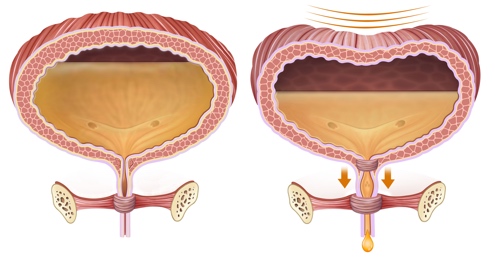
- Urinary incontinence refers to the loss of bladder control, leading to involuntary urine leakage. This condition can be mild or severe, ranging from sporadic leaks when coughing or sneezing to an overwhelming urge to urinate.
- Types of Incontinence in the Urine Stress Incontinence: Occurs when physical movement or activity such as coughing, sneezing, or lifting puts pressure on the bladder
- Urge Incontinence: Characterized by a sudden, intense urge to urinate, followed by an involuntary loss of urine.
Overflow incontinence is characterized by persistent or frequent dribbling of urine when the bladder does not empty completely. - Functional Incontinence: Results from physical or mental impairment that prevents timely bathroom access.
Mixed Incontinence: A combination of two or more types of incontinence, typically stress and urge incontinence.
Causes of Urinary Incontinence
Urinary incontinence can be caused by a number of things, including
:Age-related changes: Weakening of bladder muscles over time.
Pregnancy and childbirth: Weakened pelvic floor muscles due to hormonal changes and delivery.
- During menopause, estrogen levels may decrease, affecting bladder control.
- Men’s prostate problems include incontinence caused by an expanded prostate or prostate surgery.
- Neurological disorders: Conditions like Parkinson’s disease, multiple sclerosis, and stroke can disrupt nerve signals to the bladder.
Obesity, diabetes, and urinary tract infections (UTIs) can all cause problems with the bladder. - Medications: The risk may be increased by certain muscle relaxants, diuretics, and sedatives.
Symptoms of Urinary Incontinence
The signs and symptoms can vary based on the type of incontinence, but the most common ones are: Frequent urination
- Sudden, uncontrollable urge to urinate
- Leakage of urine during activities like laughing or exercising
- Waking up multiple times at night to urinate (nocturia)
- Inability to reach the toilet in time
- Urinary incontinence diagnosis A healthcare provider may use the following diagnostic methods:
- Medical history and symptom assessment
Physical examination
Urinalysis and urine culture to check for infections
Bladder diary to track urination patterns
The postvoid residual (PVR) test measures the amount of urine left over from urination. Urodynamic testing to determine how well the bladder works Imaging tests like ultrasound or cystoscopy
Options for Urinary Incontinence Treatment
1. Lifestyle and Behavioral Changes
Pelvic floor exercises (Kegels): Strengthen the muscles controlling urination.
Training the bladder helps deter urges to urinate. Dietary modifications: Reduce caffeine, alcohol, and spicy foods.
Weight management: Helps reduce pressure on the bladder.
2. Medications
Anticholinergics: Reduce bladder spasms.
Mirabegron: Increases urine storage by relaxing bladder muscles. Topical estrogen: Strengthens vaginal tissues in postmenopausal women.
Alpha-blockers help men with prostate problems relax their bladder muscles.
3. Medical Devices and Procedures
A vaginal treatment for stress incontinence known as a pessary. Inserts for the urethra prevent leakage during activity. Botox injections: Help reduce overactive bladder symptoms.
Through electrical impulses, nerve stimulation therapy improves bladder control. Surgical interventions: Includes sling procedures and bladder neck suspension for severe cases.
Prevention Of Urinary Incontinence
- Keep a healthy body weight. Exercise regularly, focusing on pelvic floor strengthening.
- Avoid bladder irritants like caffeine and alcohol.
- Practice good toileting habits, such as not holding urine for too long.
- Treat underlying medical conditions that may contribute to incontinence.
-
Laser Vaginal Rejuvenation: ₹23,000 – ₹50,000 – Non-invasive, uses laser to tighten vaginal tissues. (HexaHealth)
-
Sling Surgery: ₹23,000 – ₹50,000 – Surgical procedure to support the urethra. (HexaHealth)
-
Botox Injections: ₹1,00,000 – ₹2,00,000 – Used for overactive bladder; lasts 6–12 months. (Coo-Wee)
-
Pelvic Floor Therapy: ₹5,000 – ₹15,000/month – Includes exercises and biofeedback. (Coo-Wee)
-
Absorbent Products: ₹5,000 – ₹15,000/year – Pads and adult diapers for managing leakage. (Coo-Wee)
-
Surgical Procedures (e.g., Artificial Sphincter): ₹1,00,000 – ₹3,00,000 – For severe cases, especially in men. (The Esthetic Clinic)
Conclusion
Urinary incontinence is a manageable condition with the right treatment and lifestyle modifications. If you experience symptoms, consult a healthcare professional to determine the best approach for your situation. By taking proactive steps, individuals can improve bladder control and enhance their quality of life.

Leave a Reply