
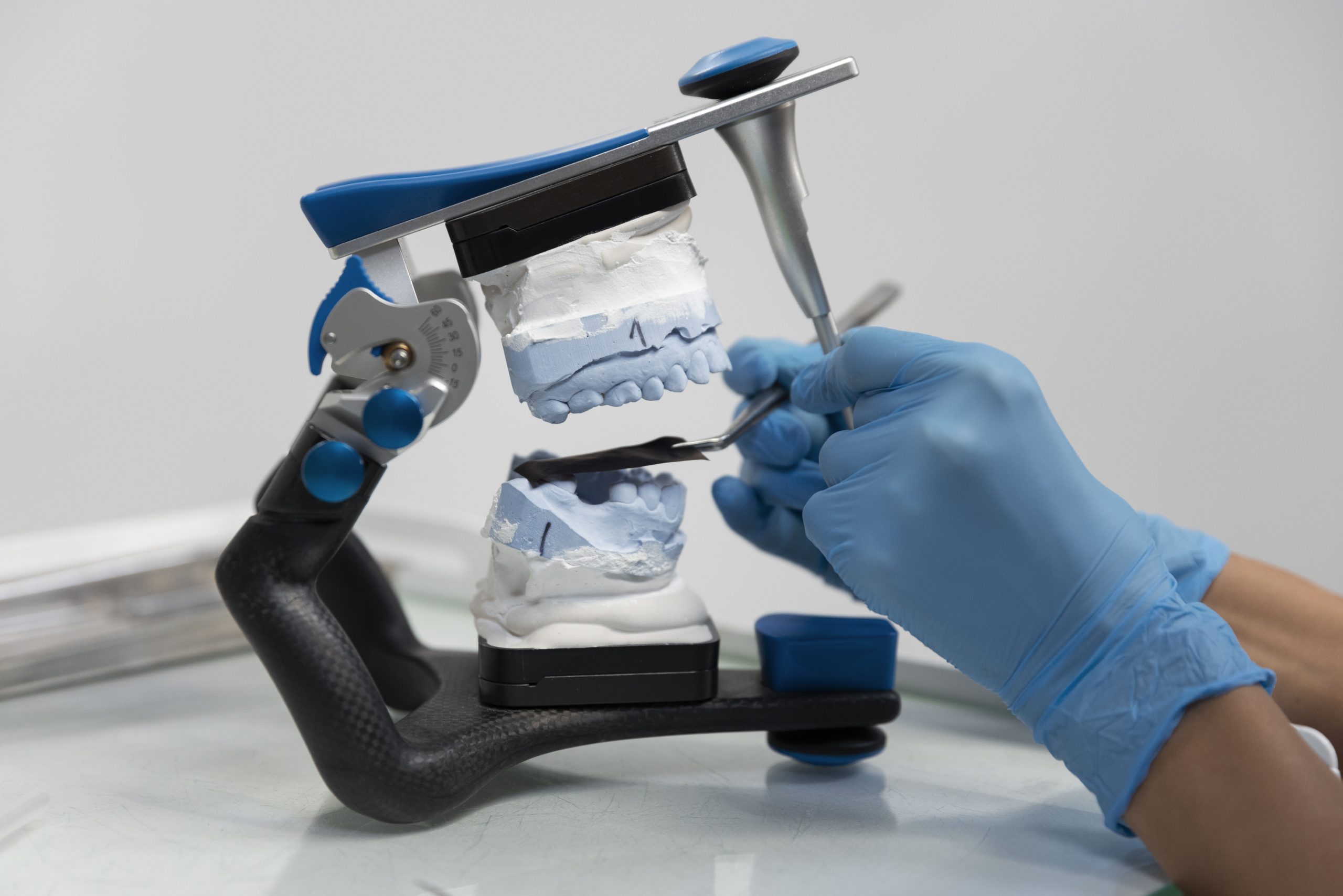
Introduction to Surgical Orthodontics (Orthognathic Surgery)
Surgical orthodontics, also known as orthognathic surgery, is a specialized procedure that corrects severe jaw misalignment issues. Unlike traditional orthodontic treatments that only involve braces or aligners, this procedure combines jaw surgery and orthodontic treatment to achieve a functional and aesthetic facial structure. It is performed by an oral and maxillofacial surgeon in collaboration with an orthodontist to correct skeletal and dental irregularities.
Who Needs Orthognathic Surgery?
Orthognathic surgery is recommended for patients with:
- Severe underbite or overbite that braces alone cannot fix
- Jaw misalignment causing speech or chewing problems
- Chronic jaw pain or TMJ disorders
- Facial asymmetry or deformities affecting confidence
- Sleep apnea or breathing difficulties
Benefits of Orthognathic Surgery
- Improved Bite & Functionality: Corrects misalignment, making it easier to chew and speak.
- Enhanced Facial Aesthetics: Restores symmetry and improves jawline definition.
- Better Breathing & Sleep Quality: Helps with conditions like sleep apnea.
- Long-Term Oral Health: Reduces excessive wear on teeth and prevents gum disease.
The Orthognathic Surgery Process
Initial Consultation & Diagnosis
Your orthodontist and oral surgeon will evaluate your facial structure using X-rays, 3D scans, and bite analysis. A treatment plan is developed based on the severity of misalignment.
Pre-Surgical Orthodontics (Braces Preparation)
Before surgery, braces or aligners are used for 6–18 months to properly align teeth in preparation for jaw correction.
strong> Surgical Procedure & Techniques
- Performed under general anesthesia in a hospital setting.
- Involves cutting and repositioning the jawbone to achieve proper alignment.
- Small screws and plates may be used to hold the jaw in place during healing.
Post-Surgery Recovery & Care
- Swelling and discomfort last for about 1-3 weeks.
- A soft food diet is recommended for the first few weeks.
- Full recovery may take 3-6 months.
Types of Orthognathic Surgeries
Maxillary Osteotomy (Upper Jaw Surgery)
Used to correct an overbite, crossbite, or open bite by repositioning the upper jaw.
Mandibular Osteotomy (Lower Jaw Surgery)
Performed for underbite correction by repositioning the lower jaw.
Genioplasty (Chin Surgery)
Enhances chin shape and symmetry, often performed with other jaw surgeries.
Conclusion
Surgical orthodontics (orthognathic surgery) is a life-changing procedure that not only improves facial aesthetics but also enhances chewing, speech, and breathing functions. If you are considering orthognathic surgery in India, consult an experienced orthodontist and maxillofacial surgeon to determine the best treatment plan for you.

Leave a Reply