
Introduction
Stem cell and bone marrow transplants have revolutionized modern medicine, offering new hope to patients with life-threatening diseases. These transplants are primarily used to treat blood disorders, immune deficiencies, and certain types of cancer, such as leukemia and lymphoma. In this article, we will explore the fundamentals of stem cell and bone marrow transplants, their benefits, risks, and what patients can expect.
What is a Bone Marrow and Stem Cell Transplant?
A stem cell transplant involves replacing damaged or diseased stem cells with healthy ones. These stem cells can come from the bone marrow, bloodstream, or umbilical cord blood. A bone marrow transplant (BMT) is a specific type of stem cell transplant where stem cells are harvested from the bone marrow.
Types of Stem Cell Transplants
- Autologous Transplant – The patient’s own stem cells are collected, stored, and reintroduced after high-dose chemotherapy or radiation therapy.
- Allogeneic Transplant – Stem cells are sourced from a donor whose tissue type closely matches the patient.
- Syngeneic Transplant – Identical twin donors provide the stem cells, ensuring a perfect match.
Who Needs a Stem Cell or Bone Marrow Transplant?
These transplants are often recommended for individuals suffering from:
- Leukemia (e.g., acute myeloid leukemia, acute lymphoblastic leukemia)
- Lymphomas (e.g., Hodgkin’s and non-Hodgkin’s lymphoma)
- Multiple Myeloma
- Aplastic Anemia
- Sickle Cell Disease
- Severe Immune System Disorders
The Transplant Process
1. Pre-Transplant Preparation
Patients undergo a series of tests to determine their eligibility. A conditioning regimen, including chemotherapy or radiation therapy, helps destroy diseased cells and prepares the body for the new stem cells.
2. Stem Cell Collection
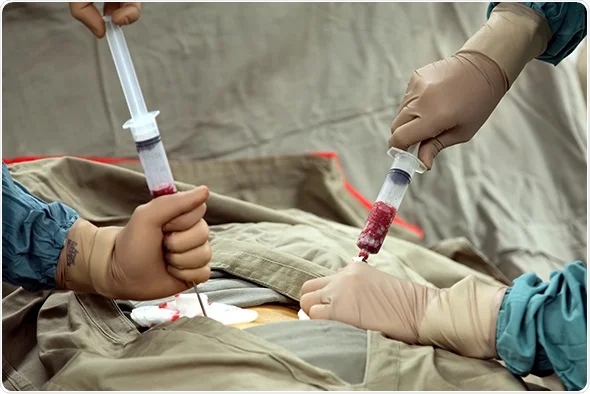
• Bone Marrow Harvesting – A surgical procedure where stem cells are extracted from the donor’s pelvic bone.
• Peripheral Blood Stem Cell Collection – A non-surgical method using medication to move stem cells from the bone marrow to the bloodstream, where they are collected through apheresis.
3. Transplantation
The harvested stem cells are infused into the patient through an intravenous (IV) line, much like a blood transfusion. The goal is for the new stem cells to travel to the bone marrow and begin producing healthy blood cells.
4. Recovery & Post-Transplant Care
Engraftment – The process where new stem cells start growing and producing blood cells, typically occurring within 10-30 days.
Monitoring & Managing Complications – Doctors closely monitor for infections, graft-versus-host disease (GVHD), and other side effects.
Long-Term Recovery – Patients may need immunosuppressive drugs and ongoing follow-ups for months or years.
Risks & Potential Complications
While stem cell and bone marrow transplants are life-saving, they come with risks, including:
- Graft-Versus-Host Disease (GVHD) (in allogeneic transplants)
- Infections due to a weakened immune system
- Organ damage or failure
- Side effects from chemotherapy and radiation
- Graft failure (when transplanted cells do not function properly)
Benefits of Stem Cell & Bone Marrow Transplants
- Curative Treatment for Certain Cancers & Disorders
- Restoration of Normal Blood Cell Production
- Potential to Extend Lifespan and Improve Quality of Life
- Advances in Donor Matching & Reduced Risk of Complications
Finding a Stem Cell Donor
For allogeneic transplants, a well-matched donor is crucial. Matches are often found among siblings, but unrelated donors from national and international registries can also be used. Organizations like the National Marrow Donor Program (NMDP) help connect patients with donors.
Future of Stem Cell & Bone Marrow Transplants
Advancements in gene therapy, personalized medicine, and immunotherapy are improving transplant success rates and reducing risks. Scientists are also exploring induced pluripotent stem cells (iPSCs) and cord blood banking as alternatives for stem cell transplantation.
Conclusion
Stem cell and bone marrow transplants provide a second chance at life for many patients. While the process can be challenging, medical advancements continue to enhance its safety and effectiveness. If you or a loved one is considering a transplant, consult with a specialist to explore your options and potential outcomes.

Leave a Reply