
Introduction
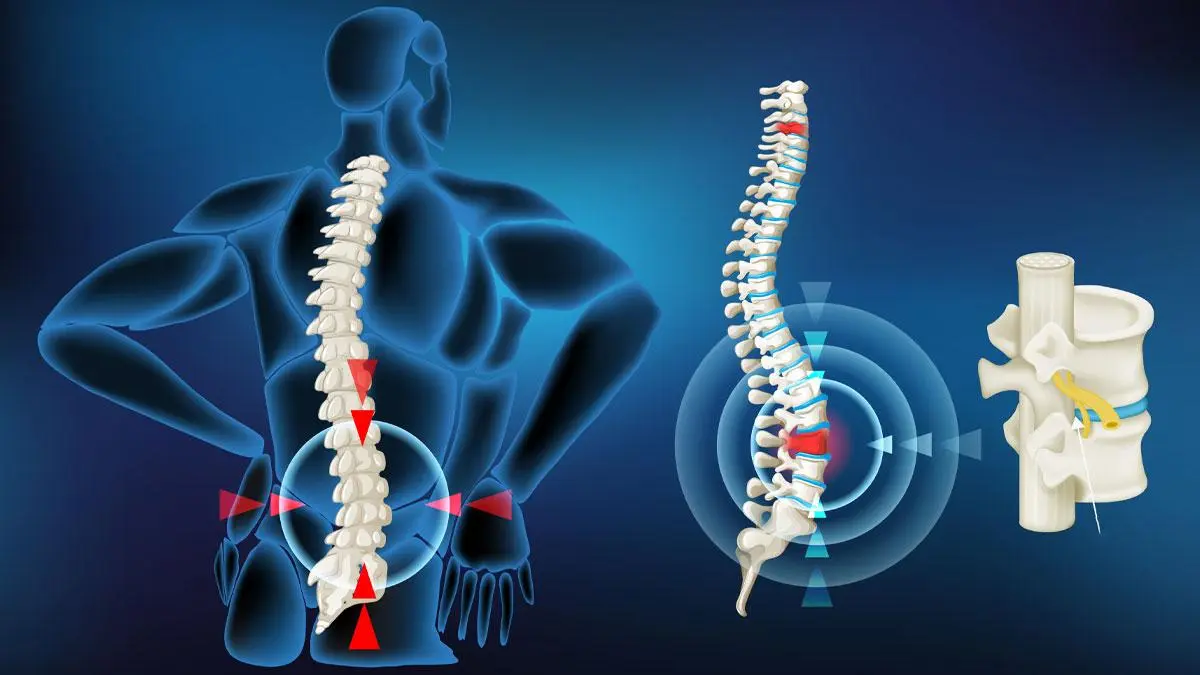
The spine is a crucial part of the human body, providing structural support, mobility, and protection for the spinal cord. However, spinal disorders such as Herniated Disc, Scoliosis, and Spinal Stenosis can cause pain, discomfort, and mobility issues. In this article, we will explore these conditions, their causes, symptoms, diagnosis, and treatment options.
What is a Herniated Disc?
A herniated disc, also known as a slipped disc or ruptured disc, occurs when the soft inner gel of a spinal disc pushes through a tear in its outer layer. This condition can compress nearby nerves, leading to pain and other symptoms.
Causes of Herniated Disc
- Aging and degenerative disc disease
- Sudden injury or trauma
- Poor posture and repetitive strain
- Obesity and lack of physical activity
- Genetics
Symptoms of Herniated Disc
- Sharp pain in the back, neck, or legs
- Numbness or tingling in the affected area
- Muscle weakness
- Difficulty standing or walking
Diagnosis of Herniated Disc
- Physical examination and medical history
- MRI (Magnetic Resonance Imaging) for detailed spine imaging
- CT scans and X-rays
- Electromyography (EMG) to assess nerve function
Treatment Options for Herniated Disc
- Non-Surgical Treatments:
- Rest and lifestyle modifications
- Physical therapy and strengthening exercises
- Pain management (NSAIDs, corticosteroids)
- Chiropractic adjustments
- Surgical Treatments:
- Microdiscectomy (removal of the herniated part of the disc)
- Spinal fusion for severe cases
Scoliosis
What is Scoliosis?
Scoliosis is a condition where the spine curves abnormally in an “S” or “C” shape. It is often diagnosed in childhood or adolescence but can develop in adults due to degenerative spine changes.
Causes of Scoliosis
- Idiopathic scoliosis (unknown cause) (most common)
- Congenital scoliosis (present at birth)
- Neuromuscular scoliosis (associated with conditions like cerebral palsy or muscular dystrophy)
- Degenerative scoliosis (caused by aging and arthritis)
Symptoms of Scoliosis
- Uneven shoulders or hips
- Visible curvature of the spine
- Back pain and stiffness
- Difficulty breathing in severe cases
Diagnosis of Scoliosis
- Physical examination and Adam’s forward bend test
- X-rays and MRI scans
- Cobb angle measurement to assess severity
Treatment Options for Scoliosis
- Observation for mild cases (regular checkups)
- Bracing in growing children to prevent further curvature
- Physical therapy and posture correction
- Surgery (Spinal Fusion) for severe scoliosis
Spinal Stenosis
What is Spinal Stenosis?
Spinal stenosis occurs when the spinal canal narrows, putting pressure on the spinal cord and nerves. It is most common in older adults and often affects the lower back and neck.
Causes of Spinal Stenosis
- Aging and osteoarthritis
- Herniated discs or bone spurs
- Thickened ligaments in the spine
- Congenital spinal narrowing
Symptoms of Spinal Stenosis
- Pain and numbness in the legs or arms
- Weakness or loss of coordination
- Difficulty walking or standing for long periods
- Relief when bending forward or sitting
Diagnosis of Spinal Stenosis
- MRI or CT scans for spinal canal assessment
- X-rays to check for bone spurs
- Nerve conduction studies
Treatment Options for Spinal Stenosis
- Conservative Treatments:
- Physical therapy
- Pain relievers and anti-inflammatory drugs
- Epidural steroid injections
- Surgical Treatments:
- Laminectomy (removal of part of the vertebra)
- Spinal decompression surgery
Preventing Spinal Disorders
- Maintain good posture while sitting and standing
- Engage in regular exercise and stretching
- Use ergonomic furniture to support the spine
- Maintain a healthy weight to reduce spine pressure
- Avoid heavy lifting and repetitive strain on the back
Conclusion
Spinal disorders like Herniated Disc, Scoliosis, and Spinal Stenosis can significantly impact daily life. Early diagnosis and proper treatment are essential to managing these conditions. If you experience persistent back pain or mobility issues, consult a healthcare professional for an accurate diagnosis and treatment plan.

Leave a Reply