
Introduction
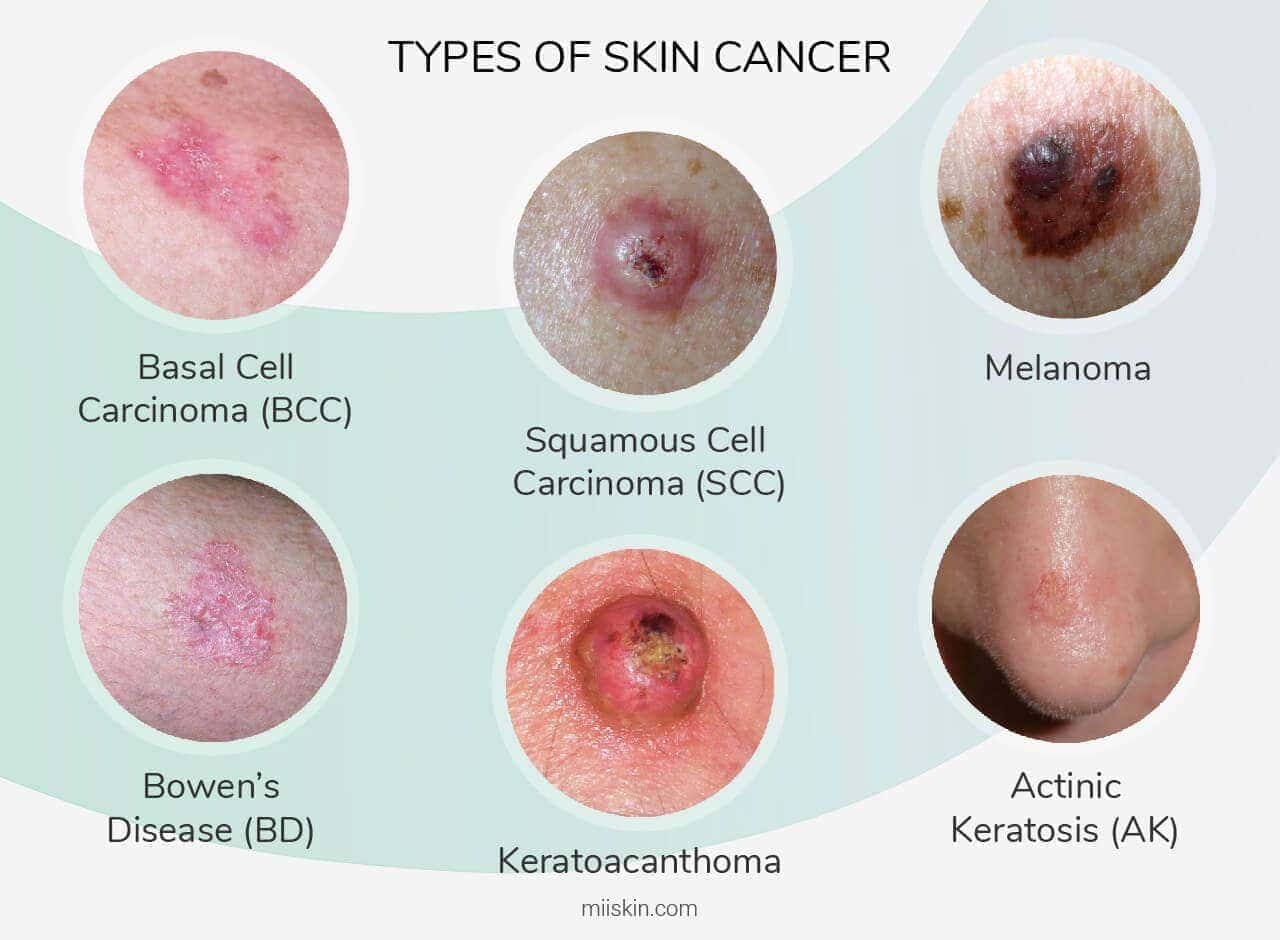
Skin cancer is one of the most common types of cancer worldwide. It occurs when abnormal cells in the skin grow uncontrollably. The three major types of skin cancer are melanoma, basal cell carcinoma (BCC), and squamous cell carcinoma (SCC). Early detection and treatment are crucial for better outcomes. This blog provides a comprehensive guide to understanding skin cancer, including causes, symptoms, treatments, and prevention.
Types of Skin Cancer
Melanoma
Melanoma is the most aggressive form of skin cancer. It develops in melanocytes, the cells responsible for producing melanin (skin pigment). Melanoma can spread rapidly to other organs if not detected early.
Symptoms of Melanoma:
- Asymmetrical moles or spots
- Irregular or uneven borders
- Multiple colors within a single mole
- Large diameter (greater than 6mm)
- Changes in size, shape, or color over time
Causes and Risk Factors:
- Excessive UV exposure (sunlight or tanning beds)
- Family history of melanoma
- Fair skin, light hair, and blue or green eyes
- Frequent sunburns, especially during childhood
- Having many moles or atypical moles
Treatment Options:
- Surgical removal (wide excision)
- Immunotherapy (boosts the immune system to fight cancer)
- Targeted therapy (for specific genetic mutations)
- Chemotherapy (less common for melanoma)
- Radiation therapy (in advanced cases)
Basal Cell Carcinoma (BCC)
BCC is the most common type of skin cancer. It originates in the basal cells of the skin and grows slowly. It is rarely life-threatening but can cause disfigurement if left untreated.
Symptoms of BCC:
- A pearly or waxy bump on the skin
- A sore that doesn’t heal or repeatedly bleeds and scabs
- A flat, flesh-colored, or brown scar-like lesion
- A red, irritated patch of skin that may be itchy
Causes and Risk Factors:
- Long-term sun exposure
- Exposure to radiation or arsenic
- Light-colored skin, eyes, and hair
- Aging (more common in older adults)
Treatment Options:
- Mohs surgery (removal of cancerous tissue layer by layer)
- Cryotherapy (freezing the cancer cells)
- Topical medications (for early-stage BCC)
- Radiation therapy (for inoperable cases)
Squamous Cell Carcinoma (SCC)
SCC is the second most common type of skin cancer. It forms in the squamous cells of the skin and can spread to other parts of the body if untreated.
Symptoms of SCC:
- A rough, scaly patch that may bleed or crust over
- A persistent sore or ulcer that does not heal
- A raised growth with a central depression
- A wart-like growth
Causes and Risk Factors:
- Prolonged exposure to UV radiation
- Weakened immune system
- Exposure to harmful chemicals
- History of HPV (human papillomavirus)
Treatment Options:
- Excisional surgery (removing the tumor and surrounding tissue)
- Mohs surgery (for high-risk areas like the face and ears)
- Radiation therapy (if surgery is not an option)
- Electrodesiccation and curettage (scraping and burning the tumor)
Prevention and Early Detection
Sun Protection Measures:
- Use broad-spectrum sunscreen (SPF 30 or higher)
- Wear protective clothing, hats, and sunglasses
- Seek shade during peak sun hours (10 AM – 4 PM)
- Avoid tanning beds
Regular Skin Checks:
- Perform monthly self-exams to monitor moles and skin changes
- Visit a dermatologist for annual skin screenings
- Pay attention to new growths, sores, or changes in existing moles
Conclusion
Skin cancer is a serious condition, but with early detection and proper treatment, it can often be managed effectively. Awareness of risk factors, symptoms, and prevention strategies can significantly reduce the chances of developing skin cancer. If you notice any suspicious changes in your skin, consult a healthcare professional immediately.

Leave a Reply