
Introduction to Rosacea
Rosacea is a chronic skin condition that primarily affects the face, causing redness, visible blood vessels, and sometimes acne-like breakouts. It is a common skin disorder that mostly affects adults, especially those with fair skin. While the exact cause is unknown, a combination of genetic, environmental, and immune factors contribute to its development.
Types of Rosacea
There are four main types of rosacea:
- Erythematotelangiectatic Rosacea (ETR): Characterized by persistent redness and visible blood vessels on the face.
- Papulopustular Rosacea: Resembles acne with red bumps and pus-filled pimples.
- Phymatous Rosacea: Leads to thickened skin, often affecting the nose (rhinophyma).
- Ocular Rosacea: Affects the eyes, causing dryness, irritation, and bloodshot appearance.
Causes and Triggers of Rosacea
Although the exact cause of rosacea is unknown, several factors may trigger or worsen the condition, including:
- Genetics: A family history of rosacea increases the risk.
- Immune System Response: An abnormal immune response may contribute to symptoms.
- Environmental Triggers: Sun exposure, extreme temperatures, and pollution can worsen rosacea.
- Dietary Triggers: Spicy foods, alcohol, and caffeine may lead to flare-ups.
- Stress and Lifestyle Factors: Emotional stress and anxiety can aggravate symptoms.
Symptoms of Rosacea
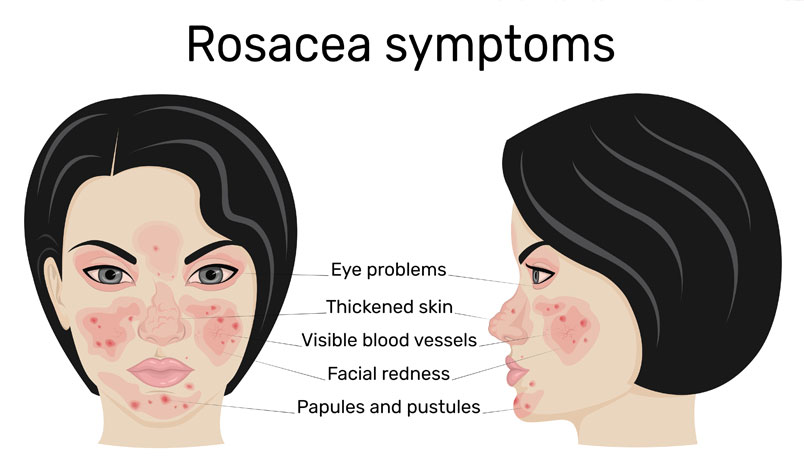
Common symptoms of rosacea include:
- Persistent facial redness
- Flushing and visible blood vessels
- Bumps and acne-like breakouts
- Burning or stinging sensations
- Thickened skin, especially around the nose
- Eye irritation and dryness
Diagnosis of Rosacea
Dermatologists diagnose rosacea through physical examination and medical history. Other skin conditions like acne and eczema may be ruled out before confirming rosacea.
Treatment Options for Rosacea
There is no permanent cure for rosacea, but treatments can help manage symptoms:
- Topical Medications: Metronidazole, Azelaic Acid, and Ivermectin help reduce redness and inflammation.
- Oral Antibiotics: Doxycycline and Minocycline are used for moderate to severe cases.
- Laser and Light Therapy: Reduces visible blood vessels and redness.
- Proper Skincare Routine: Using gentle cleansers, fragrance-free moisturizers, and sunscreen.
- Lifestyle Changes: Avoiding triggers, stress management, and dietary changes.
Natural and Home Remedies for Rosacea
Some natural treatments may help soothe rosacea symptoms:
- Aloe Vera Gel: Helps reduce redness and inflammation.
- Green Tea Extract: Contains antioxidants that calm irritated skin.
- Coconut Oil: Moisturizes dry and sensitive skin.
- Chamomile Tea Compress: Soothes skin and reduces redness.
- Honey: Has antibacterial properties that help with breakouts.
How to Prevent Rosacea Flare-Ups
To prevent rosacea flare-ups, consider:
- Avoiding Triggers: Identify foods and environmental factors that worsen symptoms.
- Wearing Sunscreen: Use SPF 30+ to protect sensitive skin.
- Using Gentle Skincare Products: Avoid harsh chemicals and fragrances.
- Managing Stress: Practice yoga, meditation, and deep breathing exercises.
- Eating an Anti-Inflammatory Diet: Include foods like green leafy vegetables, turmeric, and omega-3-rich foods.
Rosacea in India: Prevalence and Treatment Access
Rosacea is less commonly diagnosed in India, but cases are rising due to increased awareness. Some of the best dermatologists in India offer advanced treatments, including laser therapy and medication. Ayurveda and homeopathy are also popular alternative treatment options in the country.
FAQs About Rosacea
Is Rosacea Contagious?
No, rosacea is not contagious and cannot be spread from person to person.
Can Rosacea Be Cured?
Rosacea is a chronic condition, but it can be managed with treatment and lifestyle changes.
What is the Best Diet for Rosacea?
An anti-inflammatory diet rich in green vegetables, fish, and antioxidants can help.
Can Makeup Worsen Rosacea?
Some makeup products contain harsh ingredients that can trigger flare-ups. Use hypoallergenic and non-comedogenic products.
Is Rosacea Related to Gut Health?
Some studies suggest a link between gut health and rosacea, indicating that probiotics may help.

Leave a Reply