
Introduction
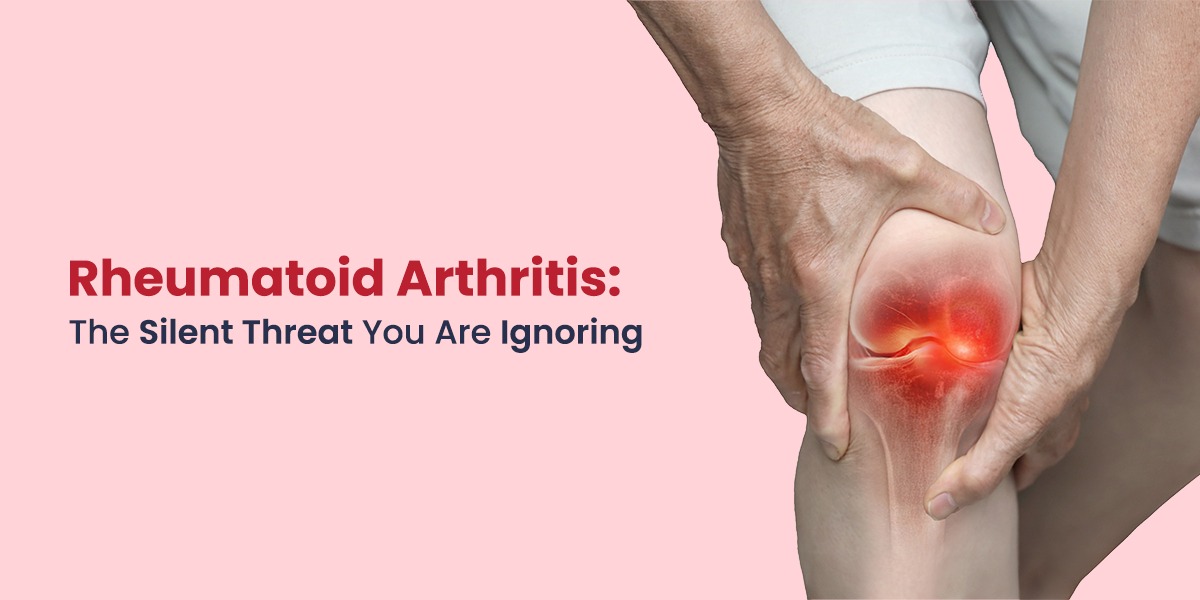
Rheumatoid Arthritis (RA) is an autoimmune disease that causes chronic inflammation in the joints, leading to pain, swelling, and stiffness. If left untreated, it can result in joint damage and disability. In India, RA affects nearly 0.75% of the population, with higher prevalence among women. Early diagnosis and proper management can help improve the quality of life for RA patients.
Causes and Risk Factors of RA
Causes of Rheumatoid Arthritis
RA occurs when the immune system mistakenly attacks the synovium (the lining of the membranes surrounding the joints). The exact cause is unknown, but a combination of genetic and environmental factors plays a role.
Risk Factors for RA
- Genetics – Family history of RA increases the risk.
- Age – Most commonly affects people between 30-60 years.
- Smoking – Increases inflammation and worsens RA symptoms.
- Obesity – Excess weight puts more stress on joints, worsening RA.
Common Symptoms of Rheumatoid Arthritis
Symptoms of RA develop gradually and may vary in severity. Common signs include:
- Joint Pain and Stiffness (especially in the morning or after rest)
- Swelling and Warmth in Joints
- Fatigue and Weakness
- Loss of Appetite and Weight Loss
- Fever in Severe Cases
Early symptoms often start in smaller joints like fingers and toes before spreading to larger joints like knees, elbows, and shoulders.
How is Rheumatoid Arthritis Diagnosed?
There is no single test to confirm RA. Doctors use a combination of:
- Physical Examination – Checking joints for swelling and mobility.
- Blood Tests – Identifying inflammatory markers like:
- Rheumatoid Factor (RF)
- Anti-CCP Antibodies
- C-Reactive Protein (CRP)
- X-Rays & MRI Scans – To assess joint damage and inflammation.
- Early diagnosis is crucial to prevent long-term complications.
Best Treatment Options for RA in India
Treatment focuses on reducing pain, controlling inflammation, and improving joint function.
Medications for RA
- NSAIDs (Pain Relievers) – Ibuprofen, Naproxen
- DMARDs (Disease-Modifying Drugs) – Methotrexate, Sulfasalazine
- Biologic Therapies – Rituximab, Etanercept
- Steroids – Prednisolone (for short-term relief)
Physiotherapy and Exercise
- Low-impact exercises like yoga, walking, and swimming help improve flexibility.
- Physiotherapy strengthens muscles and reduces joint stiffness.
- Surgical Treatment (For Severe Cases)
- Joint Replacement Surgery (Knee/Hip Replacement)
- Synovectomy (removal of inflamed joint lining)
Ayurvedic and Home Remedies for RA
Many Indians prefer natural remedies to manage RA symptoms.
- Ayurvedic Herbs for RA
- Turmeric (Haldi) – Natural anti-inflammatory properties.
- Ashwagandha – Helps reduce stress and inflammation.
- Ginger (Adrak) – Relieves joint pain.
- Home Remedies
- Hot and Cold Therapy – Ice packs reduce swelling, while heat packs relax muscles.
- Oil Massage – Mustard oil with garlic soothes stiff joints.
- Turmeric Milk – Reduces inflammation and strengthens immunity.
Conclusion: Living with Rheumatoid Arthritis
Rheumatoid Arthritis is a lifelong condition, but with early diagnosis, proper treatment, and lifestyle changes, it can be effectively managed. Consulting a specialist, staying active, and following a healthy diet are key to leading a comfortable life with RA.

Leave a Reply