
Introduction
Rheumatoid Arthritis (RA) and other autoimmune joint diseases are chronic inflammatory disorders that primarily affect the joints. These conditions impact millions of people worldwide, including a growing number in India. Understanding their causes, symptoms, diagnosis, and treatment options is crucial for better management and improved quality of life.
What is Rheumatoid Arthritis (RA)?
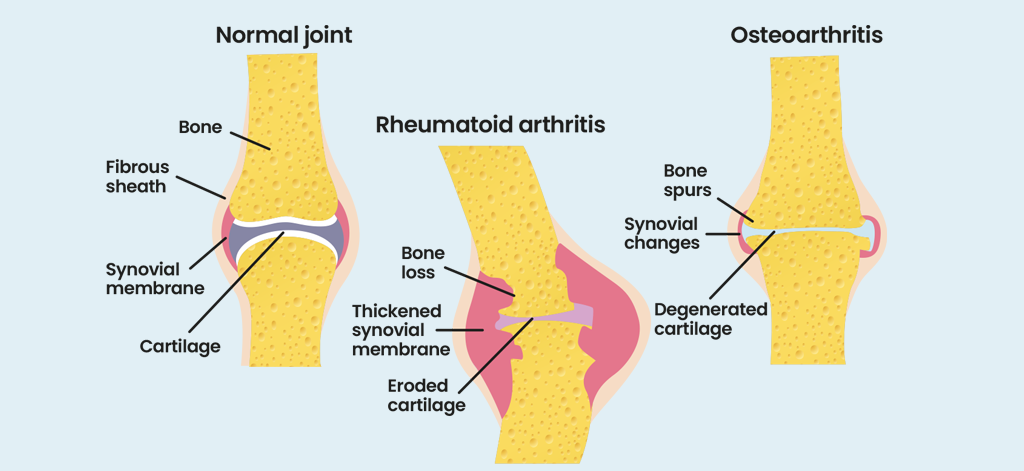
Rheumatoid Arthritis is an autoimmune disease where the immune system mistakenly attacks the joints, causing inflammation, pain, and eventual joint damage. Unlike osteoarthritis, which is caused by wear and tear, RA is an inflammatory condition that can also affect other organs.
Common Autoimmune Joint Diseases
Apart from RA, several other autoimmune joint diseases can cause similar symptoms. These include:
- Ankylosing Spondylitis (AS): Affects the spine and sacroiliac joints.
- Psoriatic Arthritis (PsA): Occurs in people with psoriasis, leading to joint pain and skin issues.
- Lupus (Systemic Lupus Erythematosus – SLE): An autoimmune disease that can cause joint inflammation, skin rashes, and organ damage.
- Reactive Arthritis: Triggered by infections, leading to joint pain and swelling.
Causes & Risk Factors of Autoimmune Joint Diseases
While the exact cause of RA and other autoimmune joint diseases remains unknown, the following factors may contribute:
- Genetics: Family history increases the risk.
- Immune System Dysfunction: Overactive immune response leads to joint damage.
- Environmental Triggers: Smoking, pollution, and certain infections may trigger RA.
- Hormonal Factors: More common in women, suggesting a role of estrogen.
- Diet & Lifestyle: Unhealthy eating habits and lack of exercise can worsen symptoms.
Symptoms of Rheumatoid Arthritis & Autoimmune Joint Diseases
Symptoms may vary depending on the disease but often include:
- Persistent joint pain and stiffness
- Swelling and redness in the affected joints
- Fatigue and weakness
- Limited range of motion
- Morning stiffness lasting over 30 minutes
- Fever and weight loss (in severe cases)
Diagnosis of Rheumatoid Arthritis & Autoimmune Joint Diseases
To diagnose RA or any autoimmune joint disease, doctors perform:
- Blood Tests: Checking for rheumatoid factor (RF), anti-CCP, ESR, and CRP levels.
- Imaging Tests: X-rays, MRIs, and ultrasounds to detect joint damage.
- Physical Examination: Evaluating joint movement and swelling.
Treatment Options for RA & Autoimmune Joint Diseases
Managing autoimmune joint diseases requires a combination of treatments:
1. Medications
• Non-Steroidal Anti-Inflammatory Drugs (NSAIDs): Ibuprofen, Naproxen for pain relief.
• Disease-Modifying Anti-Rheumatic Drugs (DMARDs): Methotrexate, Hydroxychloroquine to slow disease progression.
• Biologic Drugs: Targeted therapies like Adalimumab and Etanercept.
• Corticosteroids: Prednisone for short-term inflammation control.
2. Lifestyle & Home Remedies
• Diet: Anti-inflammatory foods like turmeric, ginger, and omega-3 fatty acids help.
• Exercise: Low-impact activities like yoga and swimming improve joint mobility.
• Physical Therapy: Strengthens muscles and supports joint function.
• Stress Management: Meditation and breathing exercises reduce flare-ups.
3. Alternative & Natural Treatments
• Ayurvedic Medicine: Herbal treatments like Ashwagandha and Boswellia for inflammation.
• Acupuncture: Helps relieve pain and stiffness.
• Homeopathy: Some patients find relief through natural remedies.
4. Surgery (For Severe Cases)
• Joint Replacement Surgery: For advanced joint damage.
• Synovectomy: Removing inflamed joint lining to reduce pain.
Preventive Measures & Tips for Managing Autoimmune Joint Diseases
• Maintain a healthy weight to reduce joint stress.
• Avoid smoking and excessive alcohol consumption.
• Stay active with regular movement and stretching.
• Get regular check-ups for early detection and treatment adjustments.
Conclusion
Rheumatoid Arthritis and other autoimmune joint diseases require lifelong management, but with proper treatment and lifestyle changes, patients can lead a fulfilling life. Early diagnosis, medication, and a healthy lifestyle play a vital role in reducing symptoms and improving mobility.

Leave a Reply