
Introduction
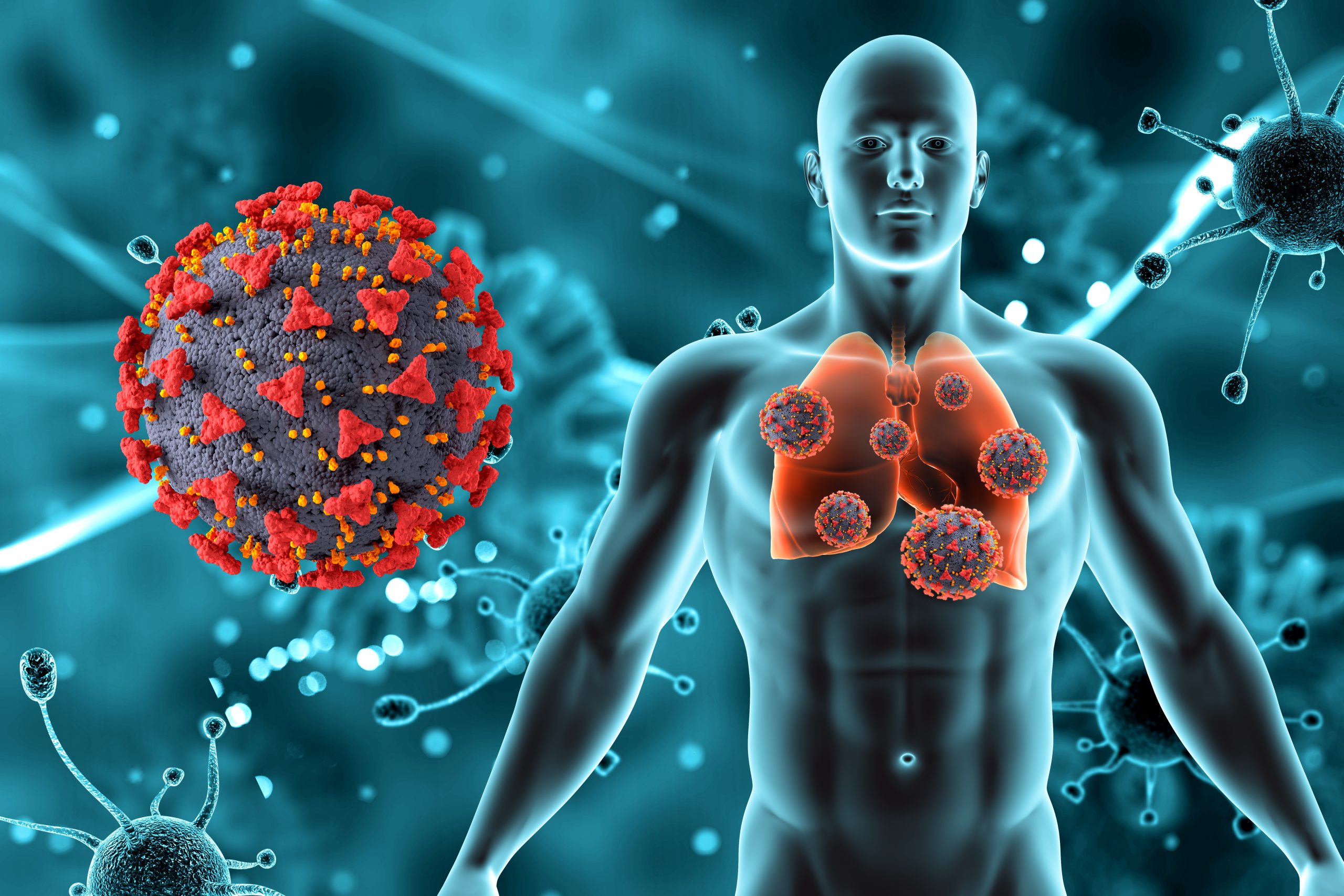
Respiratory diseases affect millions of people worldwide, with a significant impact in countries like India, where air pollution and smoking are major concerns. These diseases range from acute infections like pneumonia to chronic conditions such as asthma and COPD. Early detection and proper management are key to improving quality of life.
Types of Respiratory Diseases
1. Asthma
Asthma is a chronic disease that causes inflammation and narrowing of the airways, leading to difficulty in breathing. Common triggers include allergens, dust, smoke, and exercise.
2. Chronic Obstructive Pulmonary Disease (COPD)
COPD is a progressive lung disease that includes conditions like chronic bronchitis and emphysema. It is mainly caused by smoking and long-term exposure to harmful air pollutants.
3. Pneumonia
Pneumonia is an infection that inflames the air sacs in one or both lungs, leading to symptoms like fever, cough, and difficulty breathing. Bacteria, viruses, or fungi can cause it.
4. Tuberculosis (TB)
TB is a contagious bacterial infection that primarily affects the lungs. It remains a major public health issue in India, requiring prolonged antibiotic treatment.
5. Lung Cancer
Lung cancer is one of the deadliest respiratory diseases, mainly linked to smoking, air pollution, and occupational hazards.
6. Pulmonary Fibrosis
Pulmonary fibrosis causes scarring of lung tissues, making breathing increasingly difficult. The cause is often unknown, but exposure to pollutants and certain medications can contribute.
Causes and Risk Factors
Several factors contribute to respiratory diseases:
- Air pollution: Urban pollution is a leading cause of respiratory illnesses in India.
- Smoking and tobacco use: One of the primary causes of lung diseases, including COPD and lung cancer.
- Genetics: Some people inherit a higher risk of developing respiratory conditions.
- Infections: Viral and bacterial infections can lead to pneumonia and other lung diseases.
Symptoms of Respiratory Diseases
The most common symptoms include:
- Persistent cough
- Shortness of breath
- Wheezing
- Chest pain
- Fatigue
- Increased mucus production
Diagnosis of Respiratory Diseases
Doctors use various tests to diagnose respiratory illnesses, including:
- Pulmonary function tests to check lung capacity
- Chest X-rays and CT scans for detecting lung damage
- Blood tests to analyze oxygen levels
- Sputum tests to identify bacterial infections
Treatment Options
Treatment depends on the type and severity of the disease:
- Medications like inhalers, steroids, and antibiotics
- Oxygen therapy for severe lung diseases
- Pulmonary rehabilitation to improve lung function
- Lifestyle changes like quitting smoking and avoiding air pollution
Prevention and Lifestyle Changes
To maintain lung health, follow these preventive measures:
- Quit smoking – Smoking is the biggest cause of respiratory issues.
- Wear masks – Protect yourself from air pollution and occupational hazards.
- Exercise regularly – Activities like walking, swimming, and yoga improve lung capacity.
- Eat a balanced diet – Foods rich in antioxidants can support lung health.
- Respiratory Diseases in India: Challenges and Statistics
Conclusion
Respiratory diseases are a growing concern, particularly in highly polluted areas. Early diagnosis, lifestyle changes, and proper medical treatment can significantly improve quality of life. Raising awareness and taking preventive measures can help reduce the burden of these diseases.

Leave a Reply