
Introduction
Radiation therapy is a common and effective treatment for various types of cancer and other medical conditions. It utilizes high-energy radiation to destroy or damage cancer cells while minimizing harm to surrounding healthy tissue. This guide explores radiation therapy in detail, covering its types, benefits, risks, and what to expect during treatment.
What is Radiation Therapy?
Radiation therapy, also known as radiotherapy, is a medical treatment that uses controlled doses of radiation to target and eliminate cancer cells. It can be used alone or in combination with other treatments like chemotherapy and surgery.
How Does Radiation Therapy Work?
Radiation therapy works by damaging the DNA of cancer cells, preventing them from growing and dividing.Over time, these damaged cells die, and the body naturally eliminates them. Healthy cells can also be affected but usually recover more effectively than cancerous cells.
Types of Radiation Therapy
There are two primary types of radiation therapy:
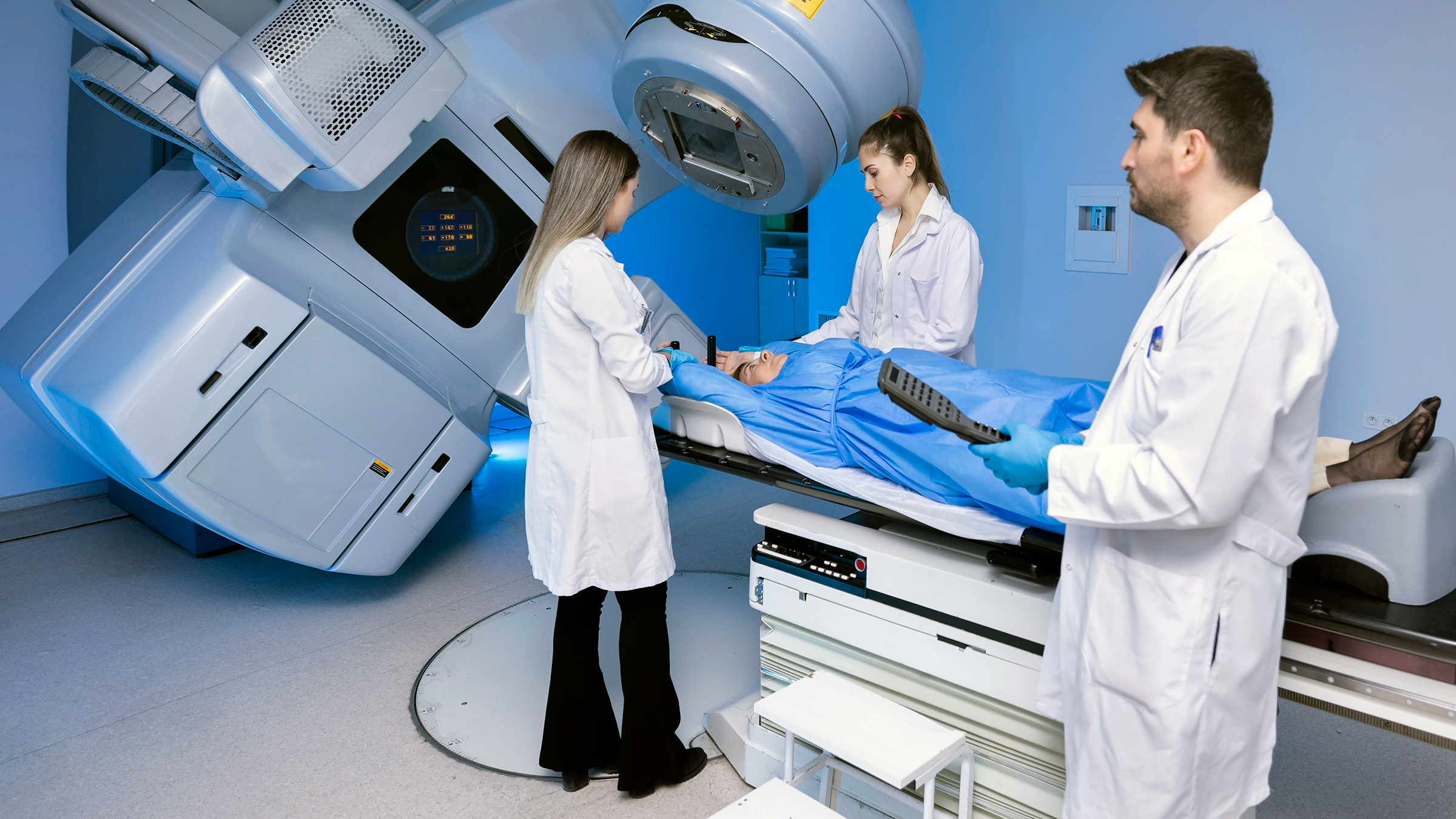
- Uses a machine called a linear accelerator to deliver high-energy X-rays or proton beams to the tumor.
- Non-invasive and commonly used for various cancers, including breast, prostate, lung, and brain cancer.
- Involves placing radioactive material directly inside or near the tumor.
- Delivers high doses of radiation to a specific area while limiting exposure to surrounding healthy tissues.
- Used for prostate, cervical, and breast cancer.
Benefits of Radiation Therapy
- Effective Cancer Treatment: Helps shrink tumors and eliminate cancer cells.
- Non-Invasive Option: In cases like EBRT, treatment does not require surgery.
- Preserves Organ Function: Unlike surgical removal, radiation therapy can help maintain the function of affected organs.
- Reduces Recurrence Risks: Often used after surgery to eliminate remaining cancer cells.
Risks and Side Effects
While radiation therapy is a powerful treatment, it does come with potential side effects, which vary depending on the area treated and the radiation dose.
Common Side Effects:
- Fatigue
- Skin irritation or burns
- Hair loss (if applied to the head)
- Nausea and vomiting (if applied to the abdomen)
Long-Term Side Effects:
- Tissue scarring
- Changes in organ function
- Secondary cancers (rare but possible)
What to Expect During Radiation Therapy?
Before Treatment:
- Consultation with an oncologist.
- Imaging scans (MRI, CT, PET) to map out the treatment area.
- A customized treatment plan tailored to the patient’s condition.
During Treatment:
- Patients lie still while the radiation machine targets the affected area.
- Sessions typically last 10–30 minutes.
- Treatment is painless, but some patients may experience discomfort over time.
After Treatment:
- Regular follow-up visits to monitor progress.
- Managing side effects through medications and lifestyle adjustments.
- Ongoing cancer screenings as needed.
Conclusion
Radiation therapy is a vital component of cancer treatment, offering hope to many patients. While it has risks and side effects, its benefits in targeting and eliminating cancer cells outweigh the drawbacks for many individuals. If you or a loved one are considering radiation therapy, consult with a healthcare professional to discuss the best treatment plan.

Leave a Reply