
Introduction
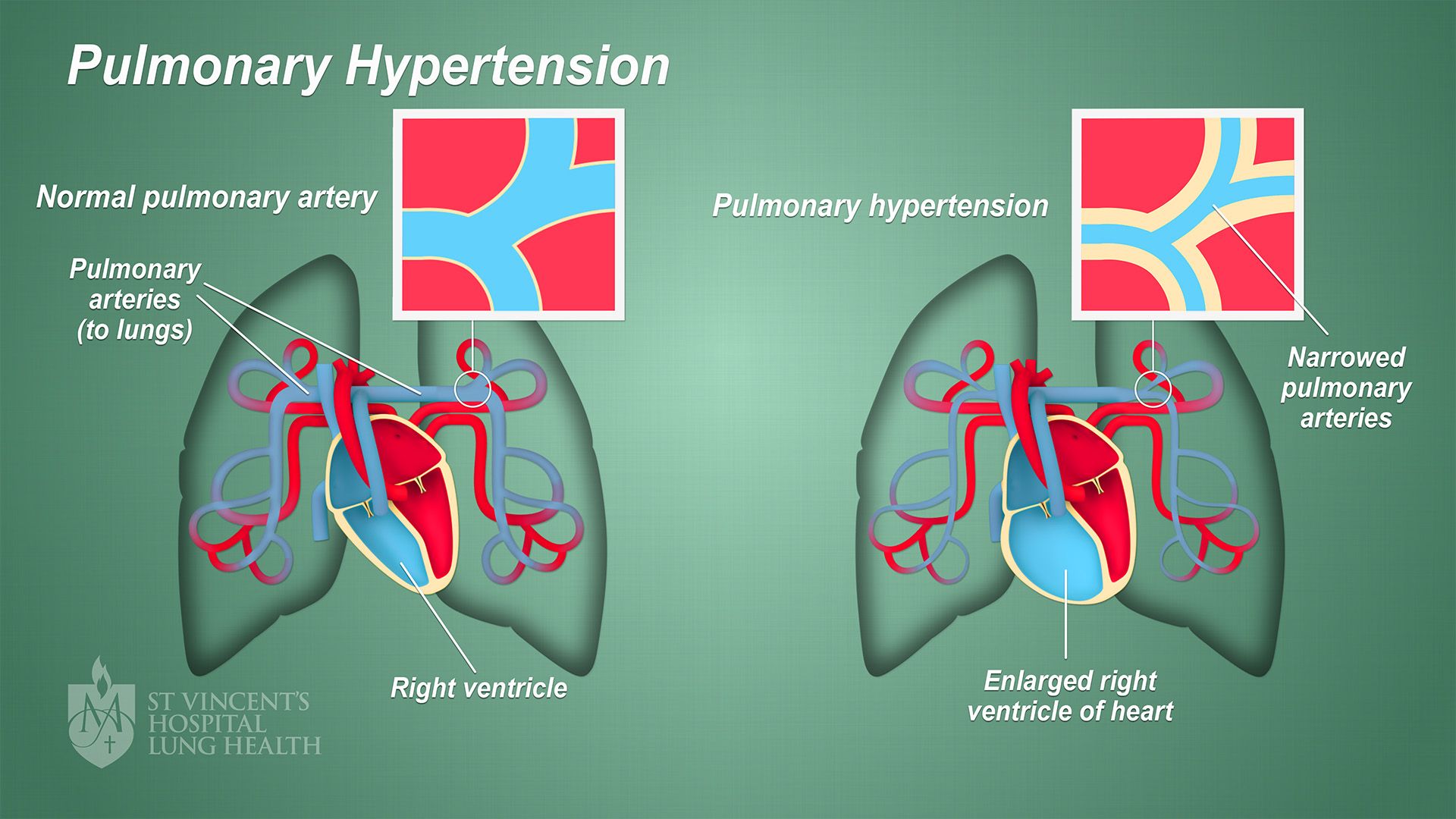
Pulmonary Hypertension (PH) is a serious medical condition that affects the arteries in the lungs and the right side of the heart. It is characterized by high blood pressure in the pulmonary arteries, making it difficult for the heart to pump blood efficiently. If not treated, this can result in heart failure. In this article, we will explore the causes, symptoms, diagnosis, treatment options, and preventive measures for pulmonary hypertension.
How does pulmonary hypertension appear?
Pulmonary Hypertension (PH) is a condition where the pressure in the pulmonary arteries increases abnormally. This leads to increased workload on the heart, which can eventually weaken the heart muscles and cause complications.
The normal pulmonary artery pressure is around 8-20 mmHg at rest, and PH is diagnosed when the pressure exceeds 25 mmHg at rest or 30 mmHg during physical activity.
Types of hypertension in the lungs Pulmonary Hypertension is classified into five major groups based on its underlying causes:
Group 1: Pulmonary Arterial Hypertension (PAH)
Occurs due to narrowing or blockage in the small pulmonary arteries.
Can be idiopathic (unknown cause) or hereditary.
Linked to conditions like connective tissue diseases, HIV, congenital heart diseases, and drug-induced PH.
Group 2: PH Due to Left Heart Disease
Most common type of PH.
caused by conditions that affect the left heart, such as heart failure, mitral valve disease, or high blood pressure. Group 3: Hypoxia and pulmonary hypertension Caused by lung conditions like COPD, interstitial lung disease, or sleep apnea.
Group 4: Chronic Thromboembolic Pulmonary Hypertension (CTEPH)
Caused by persistent blood clots in the lungs (pulmonary embolism).
Group 5: Other Systemic Disorders Cause PH Includes conditions like sarcoidosis, sickle cell disease, and metabolic disorders.
Causes and Risk Factors
Common Causes
autoimmune conditions like scleroderma and lupus Chronic lung diseases (COPD, pulmonary fibrosis)
Congenital heart defects
Lung-based blood clots Use of appetite-suppressant drugs
Risk Factors Age: More common in adults over 40.
Gender: Women are more likely to develop PAH.
Family History: Genetic predisposition increases risk.
A sedentary lifestyle and obesity can exacerbate symptoms. Smoking & Alcohol Consumption: Damage lung and heart function.
Diagnosis and Tests
- Physical Examination & Medical History
- Doctors check for swelling, heart sounds, and oxygen levels.
- Diagnostic Procedures Echocardiogram: Measures heart function and pulmonary pressure.
- Right Heart Catheterization: Confirms diagnosis by measuring artery pressure.
- Pulmonary Function Tests (PFTs): Assess lung function.
- Chest X-ray & CT Scan: Identify lung or heart abnormalities.
- Electrocardiogram (ECG): Detects right heart strain.
- Blood tests: check for oxygen levels and autoimmune diseases.
Medications
- Vasodilators: Relax blood vessels (e.g., Epoprostenol, Sildenafil, Tadalafil).
- Endothelin Receptor Antagonists: Reduce artery narrowing (e.g., Bosentan, Ambrisentan).
- Calcium Channel Blockers: Lower blood pressure (e.g., Nifedipine, Diltiazem).
- Diuretics: Reduce fluid buildup and swelling.
- Blood Thinners (Anticoagulants): Prevent blood clots (e.g., Warfarin).
- Oxygen Treatment Improves oxygen levels in severe cases.
Preventive Measures
Although not all cases of PH can be prevented, some steps help reduce risk:
- Regular Checkups: Complications can be avoided with early detection.
- Treat Underlying Conditions: Manage hypertension, heart, and lung diseases.
- Avoid High-Altitude Areas: Reduces oxygen-related strain on the lungs.
- Vaccinations: Flu and pneumonia vaccines reduce lung infections.
Conclusion
Pulmonary hypertension is a progressive and potentially fatal condition that necessitates prompt treatment and diagnosis. Lifestyle adjustments and medical interventions can help effectively manage symptoms, despite the fact that it cannot always be avoided. Consult a doctor right away if you experience persistent breathlessness, pain in your chest, or swelling. With the right care, people with PH can lead a better quality of life.

Leave a Reply