
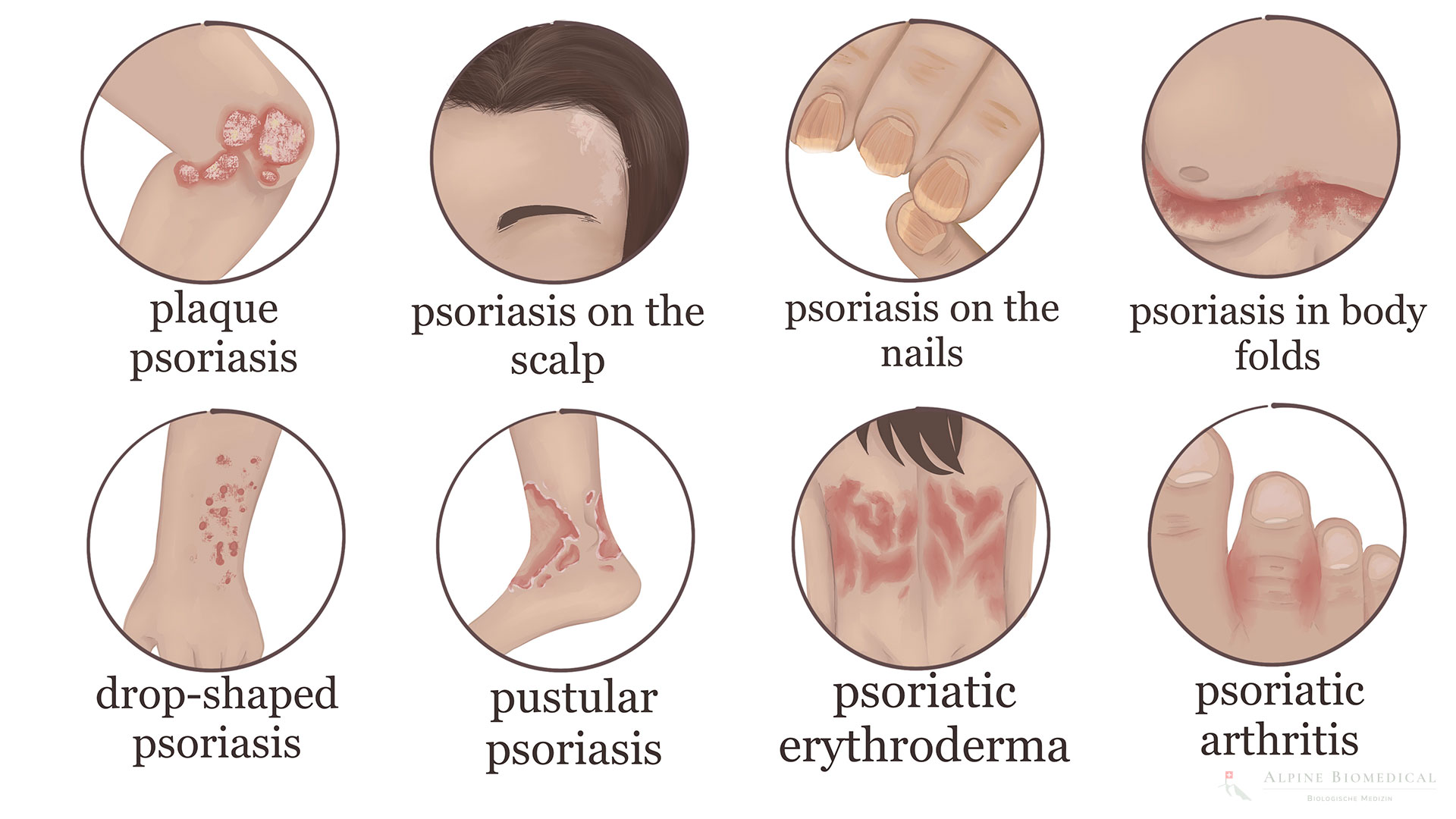
Introduction to Psoriasis
Psoriasis is a chronic autoimmune skin condition that causes rapid skin cell turnover, leading to red, scaly patches on the skin. It is a long-term disease with periods of flare-ups and remission. While it is not contagious, it can significantly impact a person’s quality of life.
Causes of Psoriasis
- Immune System Dysfunction: Psoriasis is an autoimmune condition where the immune system mistakenly attacks healthy skin cells, causing inflammation and excessive cell production.
- Genetic Factors: If you have a family history of psoriasis, you may have a higher risk of developing it.
- Environmental Triggers: Factors like stress, cold weather, infections, and certain medications can trigger psoriasis flare-ups.
Symptoms of Psoriasis
- Red patches covered with thick, silvery scales
- Itching and burning sensation
- Dry, cracked skin that may bleed
- Thickened or ridged nails
- Stiff and swollen joints (in cases of psoriatic arthritis)
Types of Psoriasis
- Plaque Psoriasis: The most common type, characterized by red, scaly patches.
- Guttate Psoriasis: Small, drop-like red spots, often triggered by infections.
- Inverse Psoriasis: Found in skin folds like under the breasts or around the groin.
- Pustular Psoriasis: White pustules surrounded by red skin.
- Erythrodermic Psoriasis: A rare but severe form causing widespread redness, peeling, and pain.
Diagnosis of Psoriasis
A dermatologist usually diagnoses psoriasis through a physical examination. In some cases, a skin biopsy may be required to confirm the type of psoriasis.
Treatment Options for Psoriasis
- Topical Treatments: Corticosteroids, vitamin D analogs, and salicylic acid can help manage symptoms.
- Phototherapy (Light Therapy): Exposure to UVB light can slow down skin cell growth.
- Systemic Medications: For severe cases, doctors may prescribe biologics or oral medications like methotrexate.
Home Remedies for Psoriasis
- Dietary Changes: Omega-3 fatty acids (found in fish and flaxseeds) can help reduce inflammation.
- Herbal Remedies: Aloe vera and turmeric have anti-inflammatory properties.
- Skincare Tips: Moisturizing regularly and avoiding harsh soaps can prevent flare-ups.
Lifestyle Tips for Managing Psoriasis
- Stress Management: Meditation and yoga can help reduce stress-related flare-ups.
- Exercise and Hydration: Staying active and drinking enough water can improve skin health.

Leave a Reply