
Introduction
Prostate cancer is one of the most common types of cancer affecting men worldwide. In India, prostate cancer cases are rising due to changing lifestyles, increasing life expectancy, and improved diagnostic methods. Understanding the symptoms, risk factors, and treatment options can help in early detection and better management of the disease.
What is Prostate Cancer?
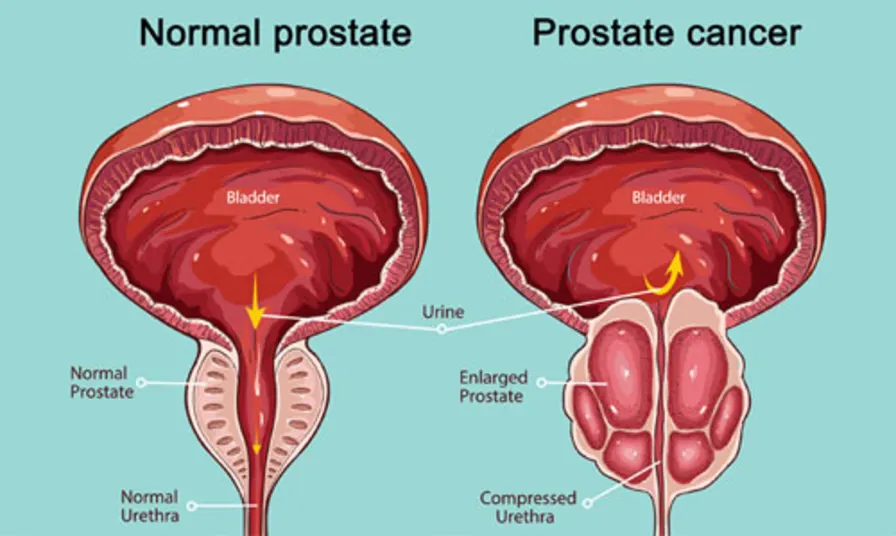
Prostate cancer occurs in the prostate gland, a small walnut-shaped gland responsible for producing seminal fluid in men. This cancer develops when abnormal cells in the prostate start to grow uncontrollably.
There are two types of prostate cancer:
- Slow-growing (localized): This type remains within the prostate and may not cause serious issues.
- Aggressive (advanced): This type spreads rapidly to other parts of the body, such as the bones and lymph nodes.
Early Signs and Symptoms of Prostate Cancer
In the early stages, prostate cancer may not show noticeable symptoms. However, as the disease progresses, men may experience:
- Frequent urination, especially at night
- Weak or interrupted urine flow
- Difficulty starting or stopping urination
- Blood in urine or semen
- Erectile dysfunction
- Pain in the lower back, hips, or pelvis
Early detection is crucial for better treatment outcomes. If you notice any of these symptoms, consult a doctor immediately.
Causes and Risk Factors of Prostate Cancer
Although the exact cause of prostate cancer is unknown, several risk factors increase the chances of developing the disease:
- Age: Men above 50 are at a higher risk.
- Family History: Having a father or brother with prostate cancer doubles the risk.
- Genetic Mutations: BRCA1 and BRCA2 gene mutations can increase risk.
- Dietary Factors: High-fat diets and red meat consumption may contribute.
- Obesity: Being overweight can lead to aggressive prostate cancer
- Sedentary Lifestyle: Lack of physical activity can increase cancer risk.
Stages of Prostate Cancer
Prostate cancer is classified into four stages:
- Stage 1: Cancer is small and confined to the prostate.
- Stage 2: Cancer is larger but still contained within the prostate.
- Stage 3: Cancer has spread beyond the prostate to nearby tissues.
- Stage 4: Cancer has metastasized to bones, lymph nodes, or other organs.
Knowing the stage of cancer helps doctors recommend appropriate treatments.
Diagnosis of Prostate Cancer
To diagnose prostate cancer, doctors use the following tests:
- Prostate-Specific Antigen (PSA) Test – Measures PSA levels in the blood.
- Digital Rectal Exam (DRE) – A physical exam to check prostate abnormalities.
- MRI and Ultrasound – Helps in detecting tumor location.
- Biopsy – Confirms cancer by testing prostate tissue samples.
Regular screenings are essential, especially for men above 50 or those with a family history of prostate cancer.
Treatment Options for Prostate Cancer
Treatment depends on the stage of cancer, overall health, and personal preferences. The main treatments include:
Surgery (Prostatectomy)
- Removes the prostate gland.
- Suitable for localized prostate cancer.
Radiation Therapy
- Uses high-energy rays to kill cancer cells.
- Can be used alone or after surgery.
Hormone Therapy
- Reduces testosterone levels, slowing cancer growth.
- Used for advanced cases.
Chemotherapy
- Recommended for aggressive prostate cancer.
- Targets rapidly growing cancer cells.
Immunotherapy
- Boosts the immune system to fight cancer.
> Active Surveillance
- Suitable for slow-growing cancer.
- Regular monitoring without immediate treatment.
Consulting a cancer specialist is crucial to determine the best treatment plan.
Prevention and Lifestyle Changes
Although prostate cancer cannot always be prevented, certain lifestyle changes can reduce the risk:
- Healthy Diet – Eat more fruits, vegetables, and whole grains.
- Regular Exercise – Maintain a healthy weight and stay active.
- Avoid Smoking & Alcohol – Reduces cancer risk.
- Stay Hydrated – Drink enough water daily.
- Regular Health Checkups – Early detection improves survival rates.
Conclusion
Prostate cancer is a growing concern among men, especially in India. Early detection through regular screening can significantly improve treatment success. By adopting a healthy lifestyle and staying informed, men can reduce their risk and manage the disease effectively.
If you or a loved one experience symptoms, consult a healthcare provider for guidance. Awareness and proactive healthcare can make a significant difference in the fight against prostate cancer.

Leave a Reply