
Introduction
Pneumonia is a serious lung infection that affects millions of people worldwide, including a significant number in India. It can be caused by bacteria, viruses, or fungi, leading to inflammation of the air sacs in one or both lungs. If left untreated, pneumonia can become life-threatening, especially for infants, elderly individuals, and people with weakened immune systems.
What is Pneumonia?
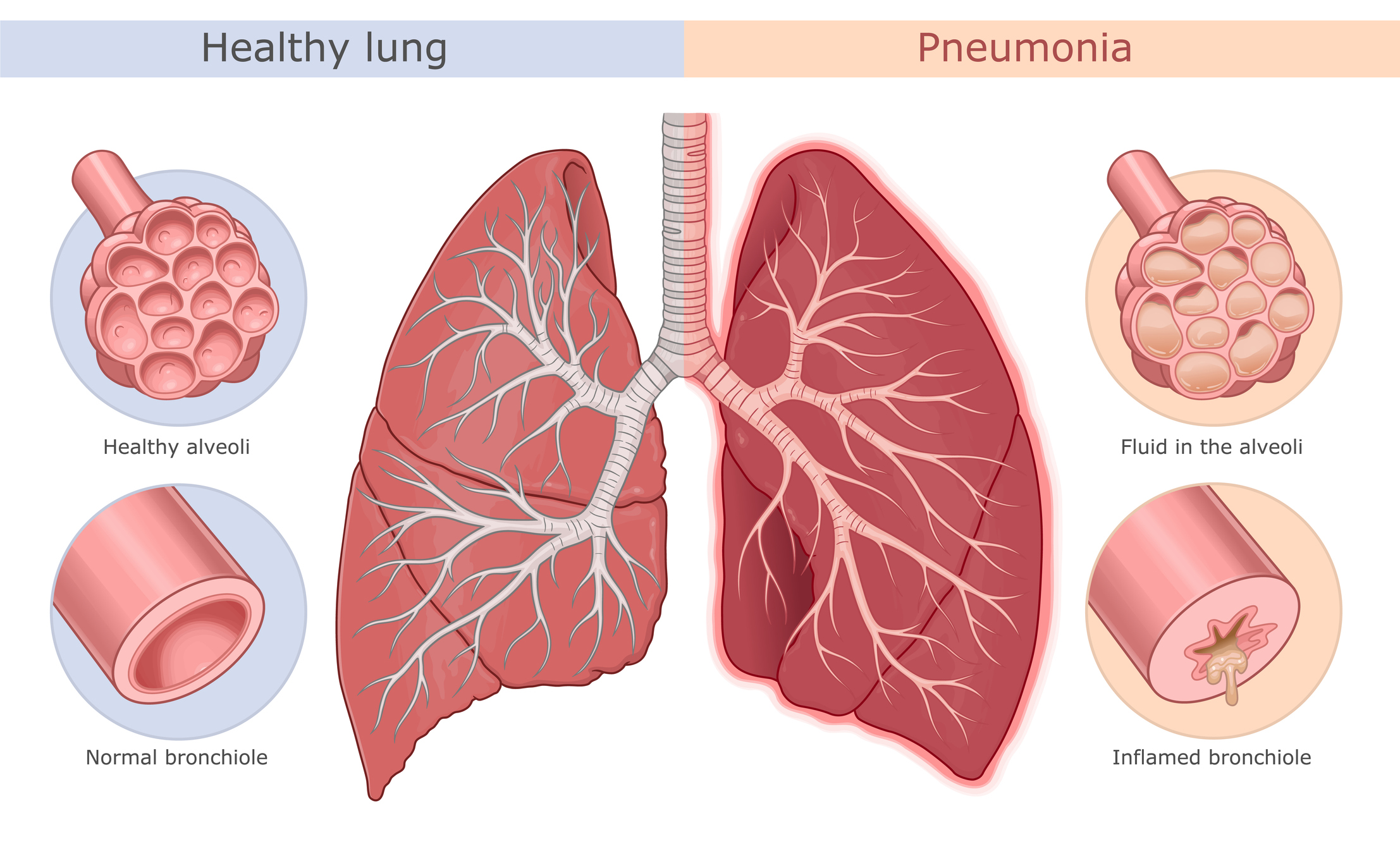
Pneumonia is an infection that causes the air sacs (alveoli) in the lungs to fill with fluid or pus, making it difficult to breathe. The severity can range from mild to severe, depending on the cause and the overall health of the affected individual.
Types of Pneumonia
Pneumonia caused by bacteria: Streptococcus pneumoniae is the most common type, but other bacteria like Mycoplasma pneumoniae and Legionella pneumophila can also be to blame. Viral pneumonia is frequently brought on by coronaviruses, such as SARS-CoV-2 (COVID-19), respiratory syncytial virus (RSV), and influenza (flu) viruses. Fungal Pneumonia – More common in people with weakened immune systems, caused by fungi like Histoplasma or Cryptococcus.
Pneumonia by aspiration occurs when food, liquid, or vomit enters the lungs and causes an infection. Hospital-Acquired Pneumonia (HAP) – Contracted during hospital stays, often more resistant to antibiotics.
Community-Acquired Pneumonia (CAP) – Acquired outside of hospitals and healthcare settings.
What Causes Pneumonia?
Pneumonia can be caused by various pathogens, including:
Haemophilus influenzae, Streptococcus pneumoniae, and Staphylococcus aureus are the bacteria. Viruses – Influenza, respiratory syncytial virus (RSV), COVID-19, adenoviruses.
Aspergillus, Cryptococcus, and Histoplasma are fungi that are prevalent in immunocompromised individuals. Environmental factors – Pollution, smoking, and exposure to harmful chemicals.
The Signs of Pneumonia The symptoms of pneumonia can vary depending on the cause and severity.
Common symptoms include:
- Fever and chills
- a dry or persistent cough with phlegm Inability to breathe Chest pain, especially when breathing or coughing
- Weakness and fatigue Shivering and sweating Loss of appetite
- indigestion or vomiting Confusion (especially in older adults)
Who is at Risk?
Certain groups of people are more vulnerable to developing pneumonia, including:
- Infants and young children
- individuals over the age of 65 People with chronic illnesses like asthma, diabetes, and heart disease
- Immunocompromised individuals (e.g., cancer patients, HIV/AIDS patients)
- smokers and those who drink a lot of alcohol people who have had respiratory issues in the past
Diagnosis of Pneumonia
Doctors diagnose pneumonia using a combination of:
- Physical Examination – Listening to lung sounds with a stethoscope.
- Chest X-ray – Helps detect infection and inflammation.
- Blood Tests – To determine the presence of infection.
- Sputum Test – Analyzing mucus to identify the causative organism.
- Pulse Oximetry – Measuring oxygen levels in the blood.
- CT Scan: A comprehensive lung scan may be required in severe cases.
Treatment Options for Pneumonia
Medications
Antibiotics – Used for bacterial pneumonia.
Antiviral medications are sometimes prescribed for viral pneumonia (such as influenza-related pneumonia). Antifungal medications – Prescribed for fungal pneumonia.
Home Remedies and Care
Recuperation can be sped up with rest and fluids. Using a humidifier to ease breathing.
Over-the-counter pain relievers to reduce fever and discomfort.
Warm liquids like soup or herbal teas to clear mucus and soothe the throat. 3. In the event of severe cases, hospitalization oxygen therapy for trouble breathing. Intravenous antibiotics for quick recovery.
Support for ventilators in critical situations. Prevention of Pneumonia
Vaccination
Pneumococcal Vaccine – Protects against Streptococcus pneumoniae.
Flu Vaccine – Reduces the risk of influenza-related pneumonia.
COVID-19 Vaccine – Prevents severe respiratory infections caused by SARS-CoV-2.
Healthy Lifestyle Choices
Stop smoking and drink less alcohol. Maintain a healthy diet rich in vitamins and minerals.
The immune system can be strengthened through regular exercise.
3. Good Hygiene Practices
Wash hands frequently to prevent infections.
While you’re coughing or sneezing, cover your mouth and nose. Avoid close contact with sick individuals.
Pneumonia in India: The Situation Right Now In India, pneumonia is still a major public health issue, particularly among children under the age of five. The government has carried out a number of initiatives, including: Intensified Mission Indradhanush (IMI) – Focuses on increasing vaccination coverage.
Pneumococcal Conjugate Vaccine (PCV) Program – Helps prevent childhood pneumonia.
Improved Healthcare Access – Strengthening primary healthcare for early diagnosis and treatment.
Conclusion
Pneumonia is a serious illness that requires prompt medical attention. Understanding its causes, symptoms, and treatment options can help in early diagnosis and effective management. Preventive measures, such as vaccination and maintaining a healthy lifestyle, play a crucial role in reducing the risk. If you or someone you know develops symptoms of pneumonia, you should seek medical attention right away to avoid complications and speed up recovery.

Leave a Reply