
Introduction
Peptic Ulcer Disease (PUD) is a common gastrointestinal condition that affects millions of people worldwide. In India, the prevalence of PUD is increasing due to dietary habits, stress, and the widespread presence of Helicobacter pylori (H. pylori) infection. This article provides an in-depth look into PUD, its causes, symptoms, diagnosis, treatment options, and preventive measures.
What is Peptic Ulcer Disease (PUD)?
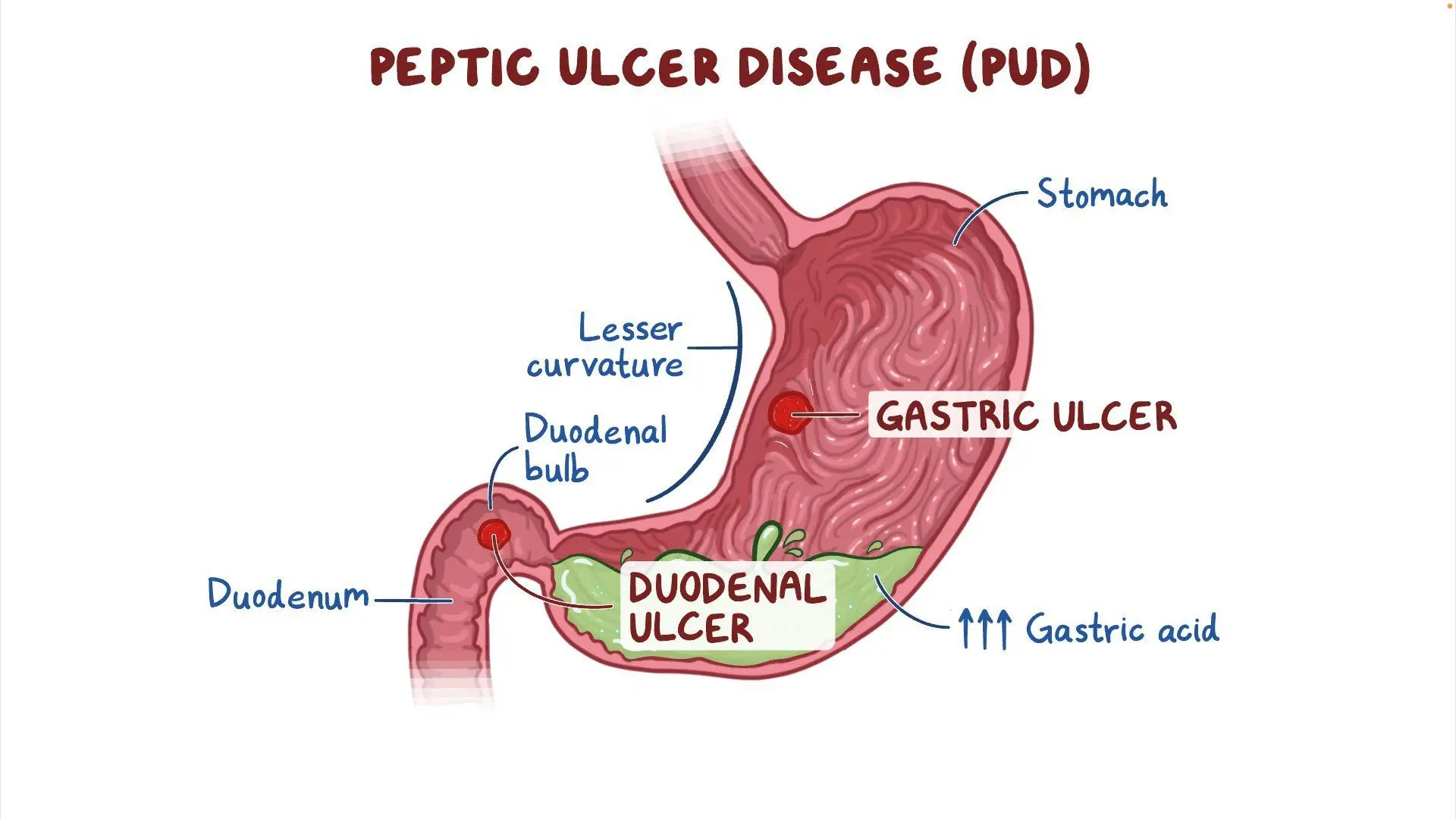
Peptic Ulcer Disease (PUD) refers to open sores or ulcers that develop on the inner lining of the stomach, small intestine, or esophagus. The most common types include:
- Gastric ulcers – Occur in the stomach lining.
- Duodenal ulcers – Found in the upper part of the small intestine.
- Esophageal ulcers – Develop in the esophagus due to acid reflux.
Causes of Peptic Ulcer Disease
The primary causes of PUD include:
Symptoms of Peptic Ulcer Disease
Common signs and symptoms of PUD include:
- Burning stomach pain (especially between meals and at night)
- Nausea and vomiting
- Bloating and excessive burping
- Heartburn and acid reflux
- Loss of appetite and weight loss
- Dark or tarry stools (indicating internal bleeding)
Diagnosis of Peptic Ulcer Disease
Doctors use several diagnostic tests to confirm PUD:
Treatment Options for Peptic Ulcer Disease
Treatment depends on the underlying cause and severity of the ulcer:
Medications
- Antibiotics – To eliminate H. pylori infection.
- Proton Pump Inhibitors (PPIs) – Reduce acid production (e.g., Omeprazole, Pantoprazole).
- H2-Receptor Antagonists – Lower acid levels in the stomach (e.g., Ranitidine, Famotidine).
- Antacids – Provide quick relief by neutralizing stomach acid.
- Cytoprotective Agents – Help protect the stomach lining (e.g., Sucralfate, Misoprostol).
Lifestyle and Dietary Changes
- Avoid spicy, acidic, and caffeinated foods.
- Eat small, frequent meals.
- Quit smoking and reduce alcohol consumption.
- Manage stress through meditation and yoga.
Surgical Intervention
In severe cases, surgery may be required to remove the ulcer, repair the stomach lining, or stop bleeding.
Prevention of Peptic Ulcer Disease
- Maintain proper hygiene to prevent H. pylori infection.
- Limit NSAID use and take medications with food.
- Follow a balanced diet rich in fiber and probiotics.
- Stay hydrated and avoid excessive caffeine and alcohol.
Conclusion
Peptic Ulcer Disease (PUD) is a manageable condition with early diagnosis and proper treatment. Adopting a healthy lifestyle, avoiding known risk factors, and seeking medical attention when symptoms arise can help prevent complications. If you suspect PUD, consult a gastroenterologist for timely intervention and care.

Leave a Reply