
Introduction
Osteoporosis and bone disorders are common health issues affecting millions worldwide, particularly among the elderly. These conditions weaken bones, making them fragile and more prone to fractures. With a growing aging population, osteoporosis is becoming a major health concern, especially in India. This blog explores the causes, symptoms, treatments, and preventive measures for osteoporosis and other bone disorders.
Understanding Osteoporosis
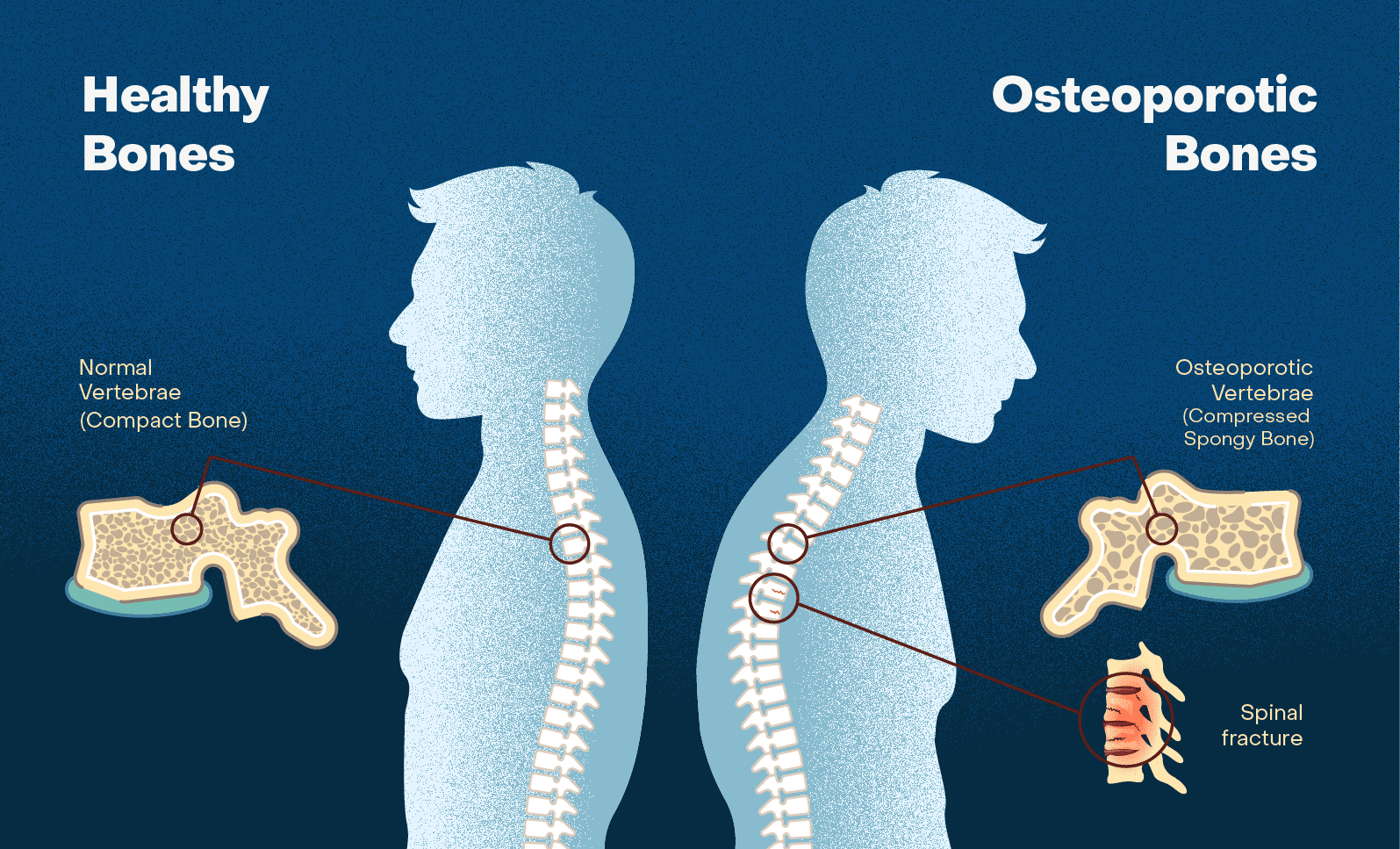
Osteoporosis is a bone disease characterized by a decrease in bone density and strength. As bones become brittle, the risk of fractures increases, particularly in the hip, spine, and wrist. This silent disease often goes unnoticed until a fracture occurs.
Risk Factors for Osteoporosis:
- Age: Bone mass naturally decreases with age.
- Gender: Women are more prone to osteoporosis, especially after menopause.
- Genetics: Family history increases the risk.
- Lifestyle: Smoking, alcohol, and lack of physical activity contribute to bone loss.
- Medical Conditions: Thyroid disorders, rheumatoid arthritis, and long-term use of steroids can weaken bones.
Common Bone Disorders Beyond Osteoporosis
Several other conditions affect bone health, including:
- Osteomalacia: Softening of bones due to vitamin D deficiency.
- Paget’s Disease: Abnormal bone remodeling that leads to deformities.
- Osteogenesis Imperfecta: A genetic disorder causing brittle bones.
- Rheumatoid Arthritis: An autoimmune disease that damages bones and joints.
Symptoms of Osteoporosis & Bone Disorders
Early detection of bone disorders can prevent complications. Symptoms include:
- Frequent fractures
- Loss of height over time
- Back pain due to vertebral fractures
- Stooped posture
Diagnosis of Osteoporosis
Doctors diagnose osteoporosis and bone disorders through:
- Bone Density Test (DEXA Scan): Measures bone strength.
- Blood Tests: Checks calcium and vitamin D levels.
- X-rays & MRI: Detect fractures and bone deformities.
Treatment Options for Osteoporosis
Managing osteoporosis requires a combination of medications, lifestyle changes, and nutritional support:
1. Medications:
- Bisphosphonates: Reduce bone loss.
- Hormone Therapy: Estrogen therapy for postmenopausal women.
- Denosumab & Teriparatide: Used for severe cases.
2. Calcium & Vitamin D Supplements:
- Essential for bone strength and density.
- Sun exposure helps the body produce vitamin D naturally.
Conclusion
Bone health is crucial for an active and independent life. By adopting a healthy lifestyle, getting regular check-ups, and following medical advice, osteoporosis and other bone disorders can be effectively managed. Prioritizing bone health today can prevent serious complications in the future.

Leave a Reply