
Introduction
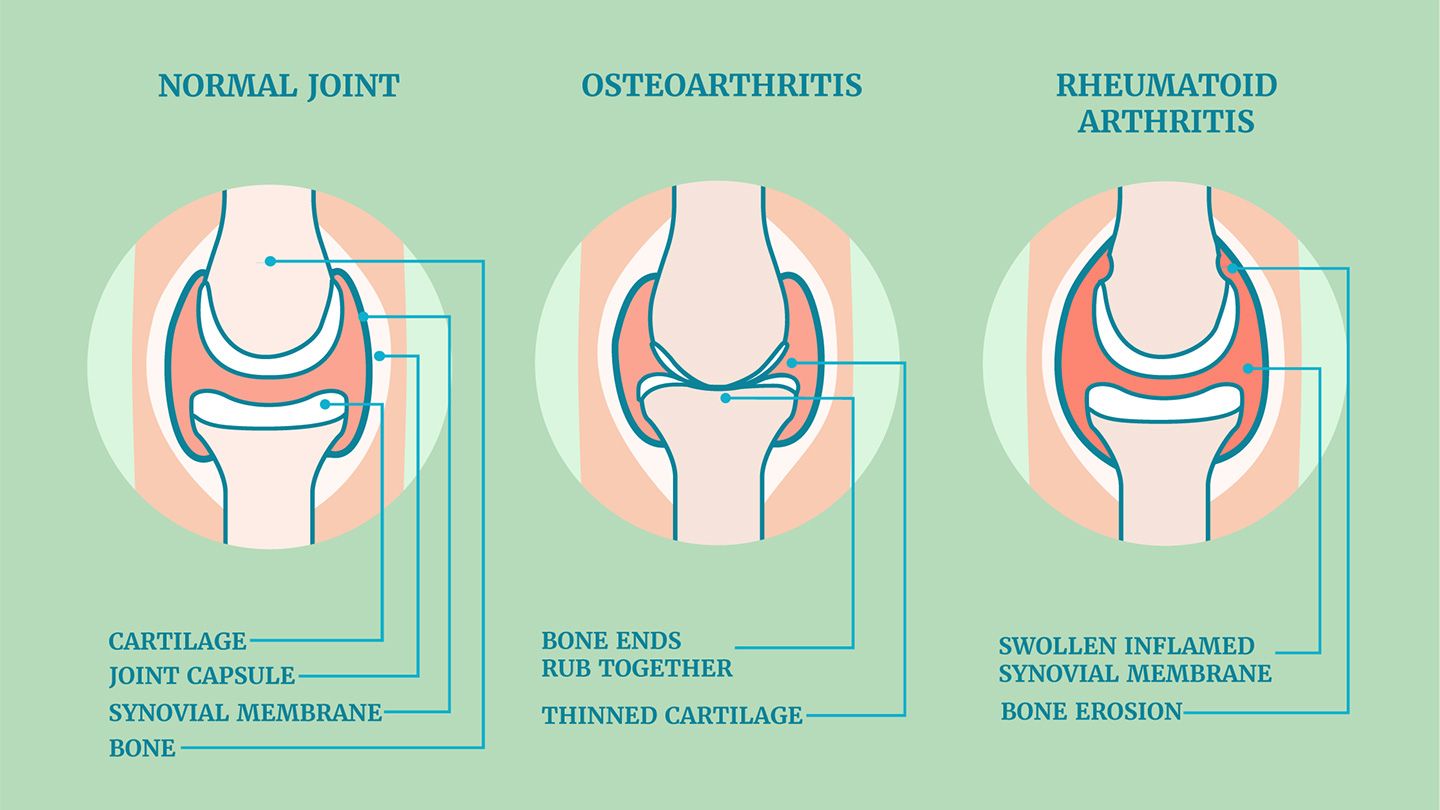
Osteoarthritis (OA) is the most common form of arthritis, affecting millions of people worldwide. It primarily occurs when the protective cartilage cushioning the ends of bones wears down over time, leading to pain, stiffness, and reduced joint mobility. In India, osteoarthritis is a growing concern, especially among the elderly and individuals with a sedentary lifestyle. This article explores the causes, symptoms, treatment options, and preventive measures to manage osteoarthritis and joint pain effectively.
What is Osteoarthritis?
Osteoarthritis is a degenerative joint disease that results from the gradual breakdown of cartilage. The condition commonly affects weight-bearing joints such as the knees, hips, and spine but can also impact the hands and other joints. Unlike rheumatoid arthritis, which is an autoimmune condition, osteoarthritis is primarily associated with aging and mechanical wear and tear.
Causes of Osteoarthritis
Several factors contribute to the development of osteoarthritis, including:
- Aging – The risk of osteoarthritis increases with age due to natural cartilage wear.
- Obesity – Excess weight puts additional stress on joints, especially the knees and hips.
- Joint Injuries – Previous injuries, fractures, or ligament tears can accelerate joint degeneration.
- Genetics – A family history of osteoarthritis increases the likelihood of developing the condition.
- Repetitive Stress – Jobs or activities that involve repetitive movements can strain joints over time.
- Poor Posture – Incorrect sitting or standing postures can contribute to joint pain and wear.
Symptoms of Osteoarthritis
The symptoms of osteoarthritis vary depending on the affected joint but commonly include:
- Joint pain and tenderness
- Stiffness, especially after periods of inactivity
- Swelling or inflammation around the joint
- Reduced flexibility and range of motion
- Bone spurs, which may cause additional pain and discomfort
- A grating or clicking sensation during joint movement
Diagnosis of Osteoarthritis
To diagnose osteoarthritis, a doctor may conduct:
- Physical Examination – Checking for joint tenderness, swelling, and flexibility.
- X-rays – Identifying bone changes and cartilage loss.
- MRI Scans – Providing detailed images of soft tissues around the joint.
- Blood Tests – Ruling out other forms of arthritis such as rheumatoid arthritis.
Treatment Options for Osteoarthritis
Medications
- Pain Relievers – Over-the-counter NSAIDs (e.g., ibuprofen, naproxen) help reduce pain and inflammation.
- Topical Treatments – Creams and gels with capsaicin or menthol provide localized relief.
- Corticosteroid Injections – Reduces inflammation and pain in affected joints.
- Hyaluronic Acid Injections – Lubricates the joints, providing temporary relief.
Lifestyle Changes & Home Remedies
- Weight Management – Losing excess weight reduces stress on joints.
- Exercise & Physical Therapy – Low-impact activities like swimming, yoga, and stretching improve mobility.
- Diet & Nutrition – Anti-inflammatory foods such as turmeric, ginger, and omega-3-rich foods help manage symptoms.
- Hot & Cold Therapy – Ice packs and warm compresses alleviate pain and stiffness.
Surgical & Advanced Treatments
- Joint Replacement Surgery – In severe cases, knee or hip replacement surgery may be necessary.
- Arthroscopy – Minimally invasive procedure to remove damaged cartilage.
- Stem Cell Therapy – An emerging treatment aimed at regenerating cartilage.
Preventive Measures for Osteoarthritis
- Maintain a Healthy Weight – Reducing excess weight decreases pressure on joints.
- Stay Active – Regular exercise strengthens muscles and supports joint function.
- Protect Joints – Avoid repetitive stress and use ergonomic tools to reduce strain.
- Healthy Diet – Consume calcium, vitamin D, and antioxidants for joint health.
- Avoid Smoking & Alcohol – These habits contribute to inflammation and cartilage breakdown.
- Posture Correction – Proper posture while sitting and standing helps prevent unnecessary joint stress.
Conclusion
Osteoarthritis and joint pain can significantly impact quality of life, but early detection and proper management can slow disease progression and alleviate discomfort. Adopting a healthy lifestyle, staying physically active, and seeking medical guidance when necessary are crucial steps in preventing and managing osteoarthritis effectively. If you or a loved one are experiencing joint pain, consult a healthcare professional to explore suitable treatment options.

Leave a Reply