
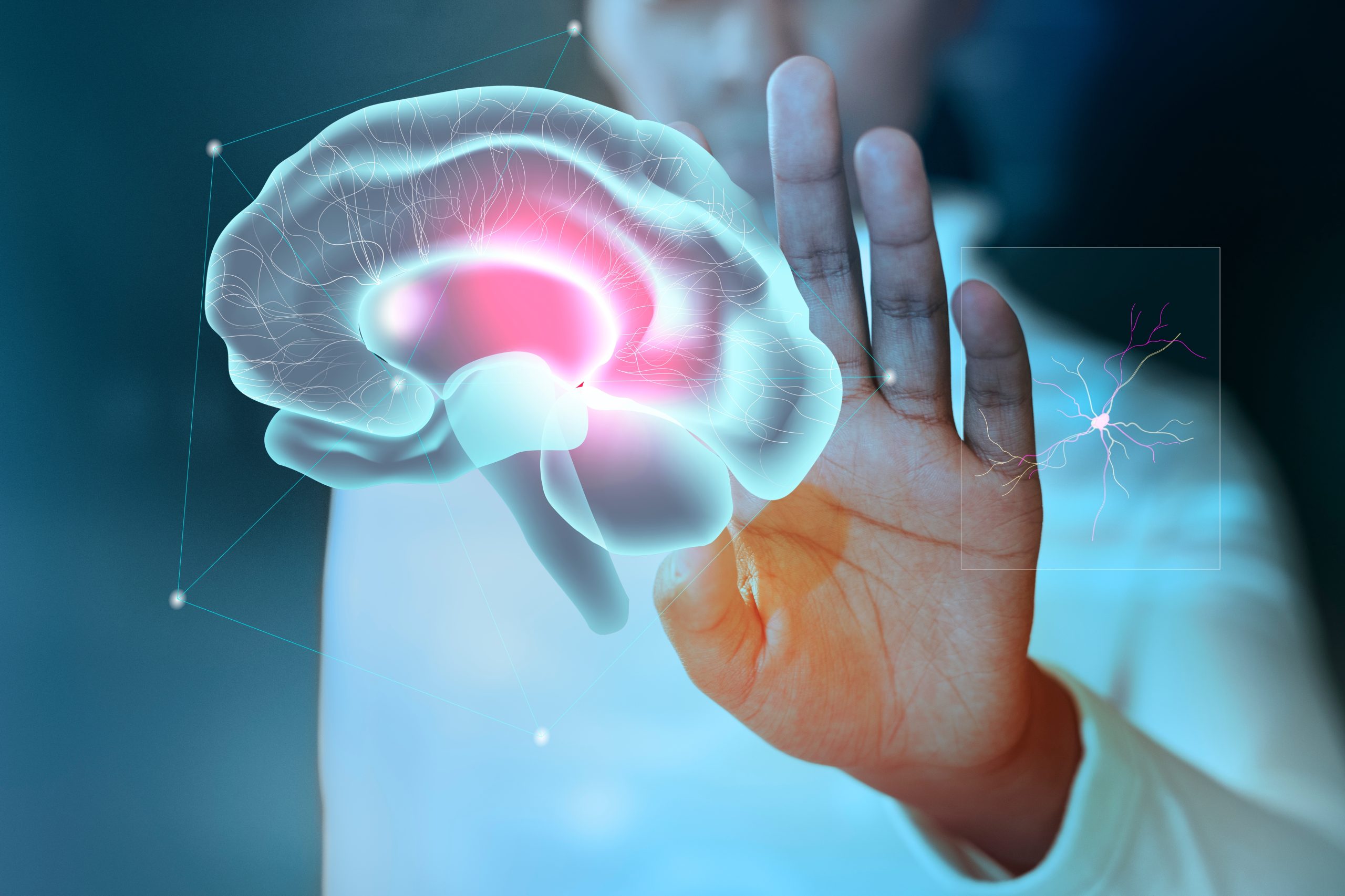
Introduction to Neurological Disorders
Neurological disorders are conditions that affect the nervous system, including the brain, spinal cord, and peripheral nerves.These disorders can impact movement, cognitive abilities, and overall health. According to global health statistics, millions of people suffer from neurological disorders, making it a significant public health concern.
Types of Neurological Disorders
Neurological disorders encompass a broad range of conditions, including:
Neurodegenerative Disorders
- Alzheimer’s Disease – Causes memory loss and cognitive decline.
- Parkinson’s Disease – Affects movement due to dopamine deficiency.
- Huntington’s Disease – Genetic disorder leading to uncontrolled movements.
Movement Disorders
- Essential Tremor – Causes involuntary shaking of the hands or head.
- Dystonia – Muscle contractions causing repetitive movements or abnormal postures.
Autoimmune Neurological Disorders
- Multiple Sclerosis (MS) – The immune system attacks the protective covering of nerves.
- Myasthenia Gravis – Causes muscle weakness due to disrupted nerve signals.
Seizure Disorders
- Epilepsy – Characterized by recurrent seizures.
Stroke and Cerebrovascular Disorders
- Ischemic stroke is caused by brain blood flow being blocked.
- Hemorrhagic Stroke – Occurs due to bleeding in the brain.
Peripheral Neuropathies
- Diabetic Neuropathy – Nerve damage caused by diabetes.
- Guillain-Barré Syndrome – A rare condition where the immune system attacks the nerves.
Causes and Risk Factors
The causes of neurological disorders vary, but common risk factors include:
- Genetics – Family history of neurological conditions.
- Aging – Many neurological disorders worsen with age.
- Infections – Viral or bacterial infections can damage the nervous system.
- Lifestyle Factors – Poor diet, lack of exercise, and smoking increase the risk.
- Head Injuries – Traumatic brain injuries can lead to long-term neurological issues.
- Environmental Factors – Exposure to toxins, pollution, and heavy metals.
Common Symptoms of Neurological Disorders
Symptoms vary depending on the specific disorder, but general signs include:
- Memory loss and confusion
- Muscle weakness or tremors
- Difficulty speaking or swallowing
- Chronic pain or numbness
- Loss of coordination and balance
- Seizures or convulsions
- Mood swings or behavioral changes
Diagnosis and Testing Methods
Neurological disorders are diagnosed using:
- Medical History & Physical Exam – Evaluates symptoms and family history.
- Imaging Tests
- MRI (Magnetic Resonance Imaging)
- CT Scan (Computed Tomography)
- EEG (Electroencephalogram) for seizure detection
- EMG (Electromyography) for muscle and nerve function
Electrodiagnostic Tests
Blood Tests – Detects infections, inflammation, or genetic markers.
Treatment and Management Options
Treatment varies based on the disorder but may include:
Medications
- Dopamine Agonists for Parkinson’s Disease
- Anti-seizure Drugs for Epilepsy
- Pain Relievers & Muscle Relaxants for Neuropathy
Therapy
- Physical Therapy – Improves mobility and coordination.
- Occupational Therapy – Helps with daily activities.
- Speech Therapy – For patients with speech or swallowing difficulties.
Surgical Procedures
- Deep Brain Stimulation (DBS) – Used in Parkinson’s Disease.
- Clot Removal Surgery – For stroke patients.
Lifestyle Modifications
- Balanced diet rich in omega-3 and antioxidants.
- Regular exercise to maintain brain health.
- Stress management techniques like yoga and meditation.
Preventive Measures for Neurological Health
While some neurological disorders are unavoidable, prevention strategies can reduce risks:
- Maintain a Healthy Diet – Include brain-boosting foods like nuts, fish, and green leafy vegetables.
- Stay Active – Regular exercise enhances blood circulation to the brain.
- Avoid Smoking & Alcohol – Both can contribute to neurological damage.
- Manage Chronic Conditions – Keep diabetes and hypertension under control.
- Get Enough Sleep – Poor sleep quality is linked to cognitive decline.
Living with a Neurological Disorder: Coping Strategies
Living with a neurological disorder can be challenging, but the right approach can improve quality of life:
- Seek Support – Join patient support groups for emotional and psychological help.
- Use Assistive Devices – Wheelchairs, hearing aids, and speech-to-text apps can assist daily life.
- Regular Medical Check-ups – Early intervention can prevent complications.
- Mental Health Care – Therapy or counseling can help manage depression and anxiety.
Conclusion
Neurological disorders are complex but manageable with the right care and lifestyle changes. Advances in medical research are improving treatment options, offering hope to millions worldwide. If you or a loved one experience symptoms, seeking early medical attention is crucial.

Leave a Reply