
Introduction
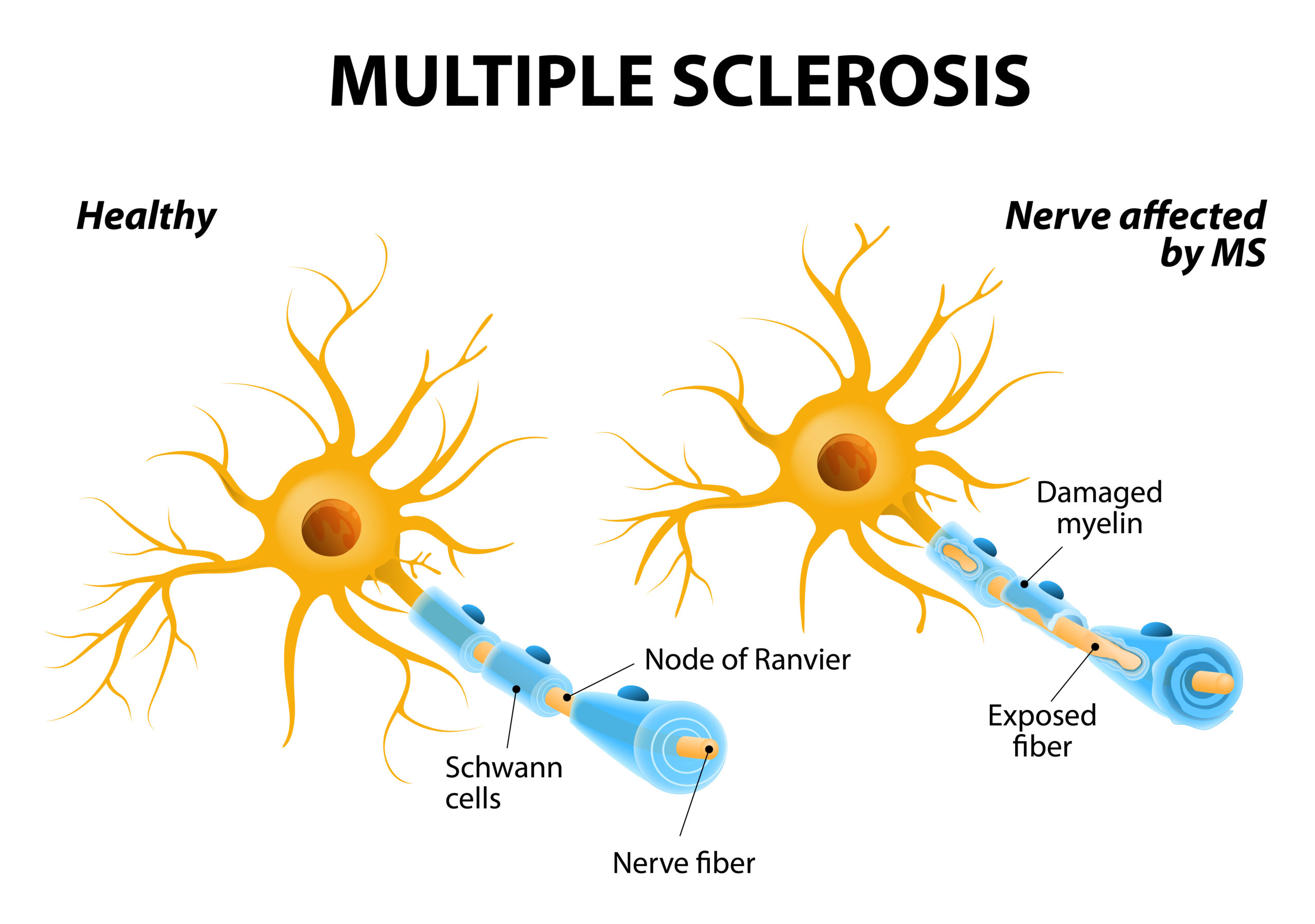
Multiple Sclerosis (MS) is a chronic neurological condition affecting the central nervous system (CNS), which includes the brain and spinal cord. It occurs when the immune system mistakenly attacks the protective covering of nerve fibers (myelin), leading to communication disruptions between the brain and the body. Over time, MS can cause permanent nerve damage.
While MS is more common in Western countries, its prevalence in India is rising, necessitating awareness and better healthcare solutions. This article explores the causes, symptoms, diagnosis, treatment options, and lifestyle management of MS, specifically for patients in India.
What Causes Multiple Sclerosis (MS)?
The exact cause of MS is still unknown, but several factors may contribute to its development, including:
- Autoimmune Response – The body’s immune system mistakenly attacks its own nerve fibers, leading to inflammation and nerve damage.
- Genetic Factors – Individuals with a family history of MS are at a slightly higher risk of developing the disease.
- Environmental Triggers – Exposure to certain viruses, low vitamin D levels, and smoking are linked to an increased risk.
- Geographical Influence – MS is more prevalent in regions far from the equator, but rising cases in India indicate lifestyle and environmental changes may be contributing factors.
Symptoms of Multiple Sclerosis
The symptoms of MS can vary widely from person to person and depend on the extent of nerve damage. Common symptoms include:
- Fatigue – Persistent tiredness and lack of energy
- Numbness or Weakness – Typically on one side of the body
- Vision Problems – Blurred vision, double vision, or complete vision loss in severe cases
- Muscle Spasms and Stiffness – Painful, involuntary muscle contractions
- Difficulty in Walking – Loss of balance, dizziness, and coordination issues
- Bladder and Bowel Dysfunction – Frequent urination or constipation
- Cognitive Issues – Memory problems, difficulty concentrating, and emotional instability
Diagnosis of Multiple Sclerosis in India
Diagnosing MS requires a combination of medical history analysis, neurological exams, and advanced diagnostic tests. The key diagnostic methods include:
- MRI Scan – Detects brain and spinal cord lesions.
- Lumbar Puncture (Spinal Tap) – Analyzes cerebrospinal fluid for abnormalities.
- Evoked Potential Tests – Measures the speed of nerve signal transmission.
- Blood Tests – Rule out other conditions that mimic MS symptoms.
Treatment Options for MS in India
There is no permanent cure for MS, but various treatment options can help manage symptoms and slow disease progression:
1. Medications
- Disease-Modifying Therapies (DMTs) – Reduce the frequency and severity of relapses (e.g., interferon beta, natalizumab, fingolimod)
- Steroids – Help in reducing inflammation during flare-ups
- Muscle Relaxants – Alleviate muscle stiffness and spasms
- Pain Management Medications – Treat neuropathic pain
2. Physiotherapy and Rehabilitation
- Physical Therapy – Improves mobility and muscle strength
- Occupational Therapy – Assists in performing daily tasks independently
- Speech Therapy – Helps with speech and swallowing difficulties
3. Lifestyle Modifications
- Regular Exercise – Yoga and low-impact workouts can improve flexibility and strength
- Balanced Diet – Anti-inflammatory foods, omega-3 fatty acids, and vitamin D-rich foods can help manage
symptoms
- Stress Management – Meditation, deep breathing, and relaxation techniques can reduce flare-ups
Cost and Availability of MS Treatment in India
Government Support and Awareness Programs in India
The Indian government and various patient support groups are actively working to spread awareness about MS. Organizations like the Multiple Sclerosis Society of India (MSSI) provide resources, support, and advocacy for MS patients.
Conclusion
Multiple Sclerosis (MS) is a challenging condition, but early diagnosis and proper management can improve the quality of life for patients. With growing awareness and advancements in treatment options in India, MS patients have more access to medical care and support systems than ever before.

Leave a Reply