
Introduction
Headaches and migraines are common neurological conditions affecting millions worldwide. While headaches can be occasional and mild, migraines are severe and can significantly impact daily life. In this comprehensive guide, we’ll explore the differences between migraines and headaches, their causes, symptoms, treatments, and prevention strategies.
Understanding Headaches
A headache is pain or discomfort in the head or neck region. It can range from mild to severe and may be caused by stress, dehydration, sinus issues, or underlying medical conditions.
Types of Headaches
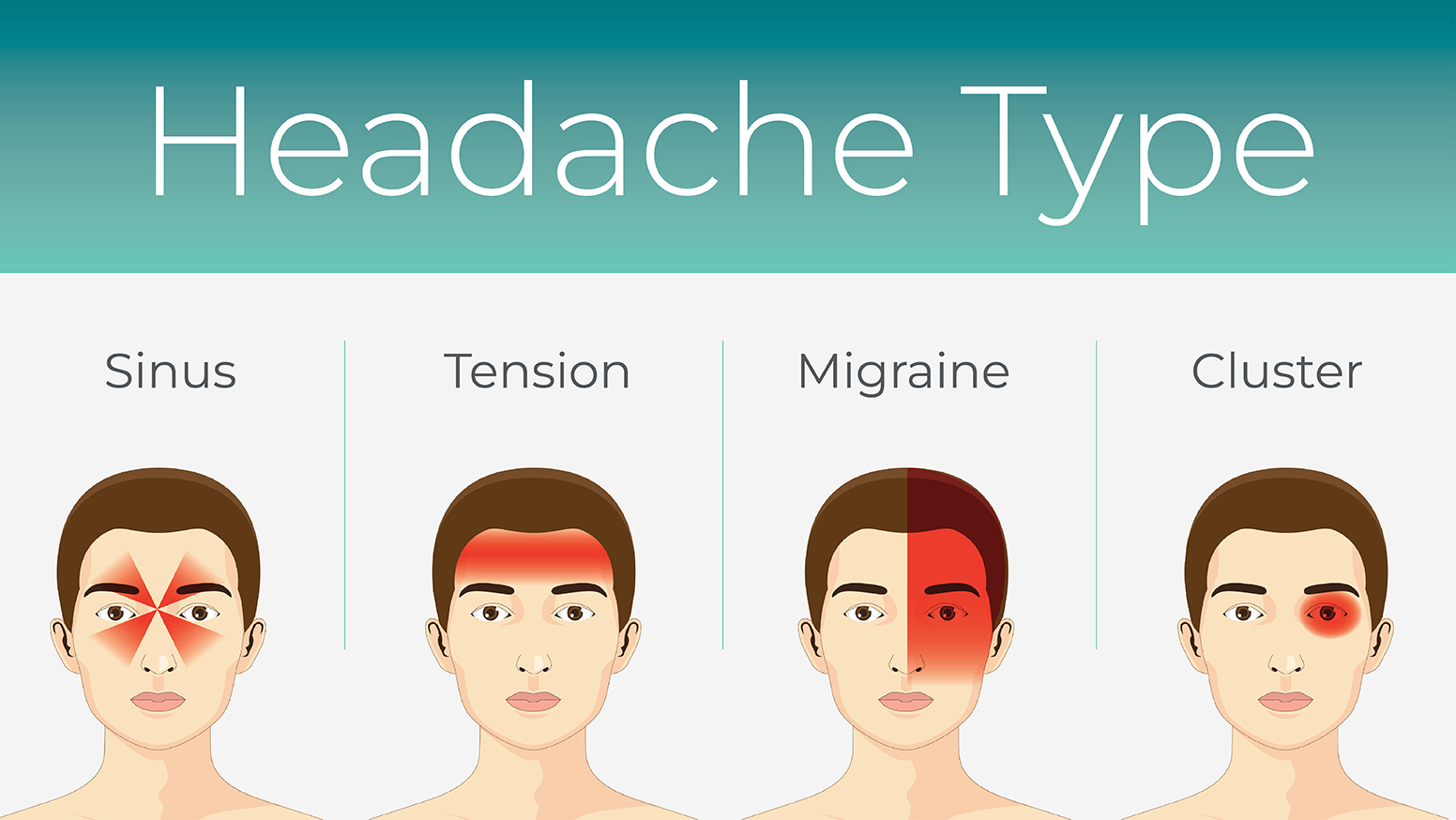
- Tension Headaches: The most common type, caused by muscle tension, stress, or poor posture.
- Cluster Headaches: Intense pain occurring in cycles, affecting one side of the head.
- Sinus Headaches: Caused by sinus infections, leading to pressure and pain around the forehead and nose.
- Exertion Headaches: Triggered by physical activity, often short-lived but painful.
Understanding Migraines
A migraine is a neurological condition characterized by intense, throbbing headaches, usually on one side of the head. It is often accompanied by nausea, vomiting, and sensitivity to light and sound.
Symptoms of Migraines
- Severe headache lasting 4 to 72 hours
- Nausea and vomiting
- Sensitivity to light and sound
- Visual disturbances (auras)
- Fatigue and dizziness
- Difficulty concentrating
Causes and Triggers of Migraines
Migraines can be triggered by various factors, including:
- Dietary triggers: Processed foods, caffeine, alcohol, and skipped meals.
- Hormonal changes: Common in women during menstruation, pregnancy, or menopause.
- Environmental factors: Bright lights, strong odors, loud noises, or weather changes.
- Lifestyle habits: Stress, lack of sleep, dehydration, and irregular eating patterns.
- Genetic predisposition: Migraines may run in families.
Diagnosis of Headaches and Migraines
Doctors diagnose migraines and headaches based on medical history, symptoms, and physical examinations. In some cases, imaging tests like MRI or CT scans may be required to rule out underlying medical conditions.
Treatment Options
Medications
- Over-the-counter pain relievers: Ibuprofen, aspirin, and acetaminophen for mild headaches.
- Prescription medications: Triptans, ergotamine, and anti-nausea drugs for severe migraines.
- Preventive medications: Beta-blockers, antidepressants, and anti-seizure drugs for chronic migraine sufferers.
Natural Remedies and Home Treatments
- Hydration: Drinking plenty of water can prevent dehydration-related headaches.
- Essential Oils: Lavender and peppermint oil can provide relief when applied to temples.
- Herbal Supplements: Feverfew and magnesium supplements may help reduce migraine frequency.
- Acupressure and Massage Therapy: Helps relieve tension headaches.
Lifestyle Changes for Prevention
- Maintain a regular sleep schedule.
- Reduce stress through meditation and yoga.
- Eat balanced meals at regular intervals.
- Stay physically active but avoid overexertion.
- Limit caffeine and alcohol consumption.
Medication-Based Treatments
-
Acute Medications: ₹100 – ₹500 per dose – Includes NSAIDs, triptans, and antiemetics.
-
Preventive Medications: ₹500 – ₹1,500/month – Beta-blockers, antidepressants, anticonvulsants, and CGRP inhibitors.
-
Botox Injections (Chronic Migraine): ₹15,000 – ₹25,000 per session – Administered every 12 weeks; may require multiple sessions annually. (Dr Reema Arora)
MAdvanced & Specialized Treatments
-
CGRP Inhibitors: ₹10,000 – ₹30,000/month – New class of drugs for migraine prevention; availability may vary.
-
Neuromodulation Therapies: ₹50,000 – ₹2,00,000 – Includes devices like Cefaly or gammaCore; used for chronic cases.
-
Migraine Surgery (e.g., nerve decompression): ₹1,00,000 – ₹3,00,000 – Considered for refractory cases; performed in specialized centers. (Venkat Center)
Diagnostic & Consultation Costs
-
Neurological Consultation: ₹800 – ₹2,500 per visit – Initial assessment and diagnosis.
-
MRI Brain Scan: ₹4,000 – ₹10,000 – To rule out secondary causes of headaches.
-
EEG (if needed): ₹2,000 – ₹5,000 – For evaluating neurological activity.
-
Follow-up Visits: ₹500 – ₹1,500 per visit – Regular monitoring and treatment adjustments.
Complementary Therapies
-
Yoga & Meditation Classes: ₹2,000 – ₹5,000/month – Helps in stress management and migraine prevention.
-
Acupressure or Acupuncture: ₹500 – ₹2,000 per session – Alternative therapy options for migraine relief.
-
Ayurvedic Treatments: ₹1,000 – ₹5,000/month – Herbal medicines and therapies; effectiveness varies.
Conclusion
Migraines and headaches can be debilitating, but understanding their causes and triggers can help manage them effectively. By adopting a healthy lifestyle, recognizing triggers, and seeking appropriate treatments, individuals can minimize their impact and improve their quality of life. If headaches or migraines persist, consult a healthcare provider for personalized care and treatment.

Leave a Reply