
Introduction
Liver cirrhosis is a severe condition where the liver gradually deteriorates and malfunctions due to long-term damage. It is a significant health concern worldwide, especially in regions with high alcohol consumption and hepatitis infections. This article provides an in-depth look at liver cirrhosis, its causes, symptoms, treatment options, and preventive measures.
What is Liver Cirrhosis?
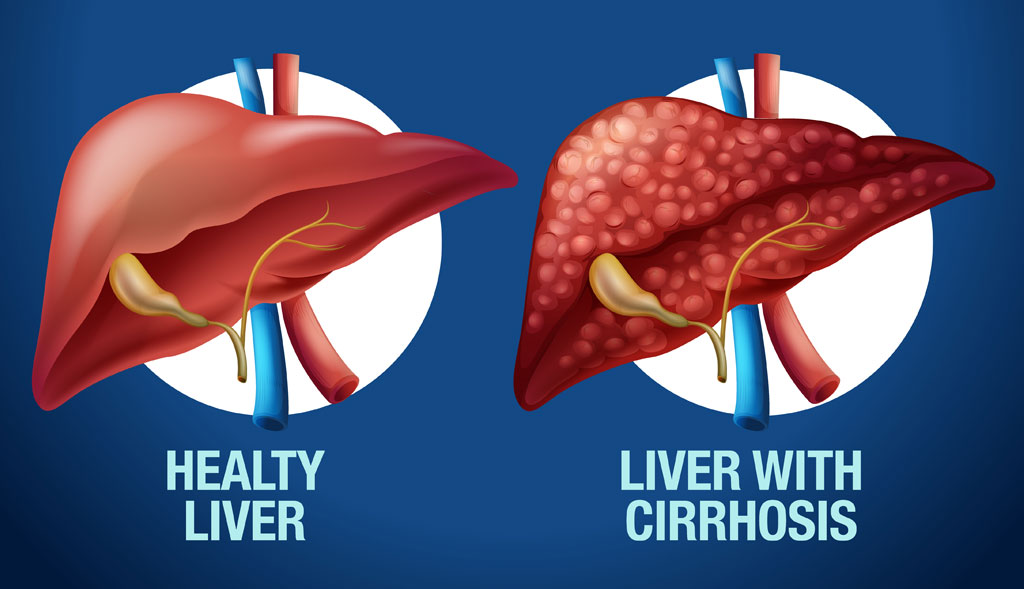
Liver cirrhosis occurs when healthy liver tissue is replaced by scar tissue, impairing the liver’s ability to function properly. As the disease progresses, it can lead to life-threatening complications such as liver failure, portal hypertension, and an increased risk of liver cancer.
Causes of Liver Cirrhosis
Several factors contribute to the development of liver cirrhosis, including:
1. Chronic Alcohol Abuse – Excessive alcohol consumption over many years can severely damage liver cells.
2. Hepatitis B and C Infections – Viral hepatitis is a leading cause of liver cirrhosis globally.
3. Non-Alcoholic Fatty Liver Disease (NAFLD) – Excess fat accumulation in the liver can lead to cirrhosis, especially in obese individuals.
4. Autoimmune Liver Diseases – Conditions like autoimmune hepatitis cause the immune system to attack liver cells.
5. Genetic Disorders – Diseases such as Wilson’s disease and hemochromatosis can cause cirrhosis.
6. Bile Duct Diseases – Conditions like primary biliary cholangitis (PBC) and primary sclerosing cholangitis (PSC) obstruct bile flow, leading to liver damage.
7. Toxins and Medications – Prolonged use of certain drugs or exposure to harmful chemicals can lead to liver scarring.
Symptoms of Liver Cirrhosis
Liver cirrhosis symptoms vary based on the disease’s stage and severity. Early-stage cirrhosis may not present noticeable symptoms, but as the condition worsens, symptoms can include:
- Fatigue and weakness
- Loss of appetite and weight loss
- Nausea and vomiting
- Jaundice (yellowing of skin and eyes)
- Swelling in the legs, feet, and abdomen (ascites)
- Easy bruising and bleeding
- Itchy skin
- Dark urine and pale stools
- Confusion and memory problems (hepatic encephalopathy)
Diagnosis of Liver Cirrhosis
Doctors diagnose liver cirrhosis through:
- Physical Examination – Checking for liver enlargement, jaundice, and swelling.
- Blood Tests – Measuring liver enzyme levels, bilirubin, and blood clotting factors.
- Imaging Tests – Ultrasound, CT scans, and MRI help assess liver structure.
- Liver Biopsy – A small tissue sample is examined to determine the extent of liver damage.
- Endoscopy – Detects varices (swollen blood vessels) in the esophagus.
Treatment Options for Liver Cirrhosis
While liver cirrhosis is irreversible, treatment focuses on slowing disease progression and managing complications.
1. Lifestyle Changes
• Avoid Alcohol – Completely abstaining from alcohol helps prevent further damage.
• Healthy Diet – A balanced diet with high protein and fiber supports liver function.
• Exercise Regularly – Helps in weight management and reduces fatty liver complications.
2. Medications
• Antiviral Drugs – Treat hepatitis B and C to reduce liver damage.
• Diuretics – Help control fluid retention and swelling.
• Beta-Blockers – Reduce high blood pressure in the liver (portal hypertension).
• Lactulose – Used to manage hepatic encephalopathy.
3. Surgical and Medical Procedures
• Endoscopic Therapy – Used to treat varices and prevent bleeding.
• Paracentesis – Draining excess abdominal fluid in severe cases.
• Liver Transplant – The only definitive cure for end-stage liver cirrhosis.
Prevention of Liver Cirrhosis
Preventing liver cirrhosis involves adopting a healthy lifestyle and minimizing liver damage risks:
1. Limit Alcohol Intake – Follow recommended guidelines or avoid alcohol altogether.
2. Get Vaccinated – Vaccines for hepatitis B can prevent liver infections.
3. Eat a Nutritious Diet – A diet rich in fruits, vegetables, and lean proteins promotes liver health.
4. Exercise Regularly – Helps prevent obesity-related liver diseases.
5. Practice Safe Sex and Hygiene – Reduces the risk of hepatitis infections.
6. Avoid Sharing Needles – Prevents transmission of hepatitis viruses.
7. Monitor and Manage Medical Conditions – Control diabetes, hypertension, and cholesterol levels
Conclusion
Liver cirrhosis is a serious condition that requires early detection and lifestyle modifications to prevent complications. By adopting a healthy lifestyle, getting regular medical check-ups, and managing underlying conditions, individuals can reduce their risk of developing liver cirrhosis. If diagnosed, working closely with healthcare providers ensures the best possible outcome and quality of life

Leave a Reply