
Introduction
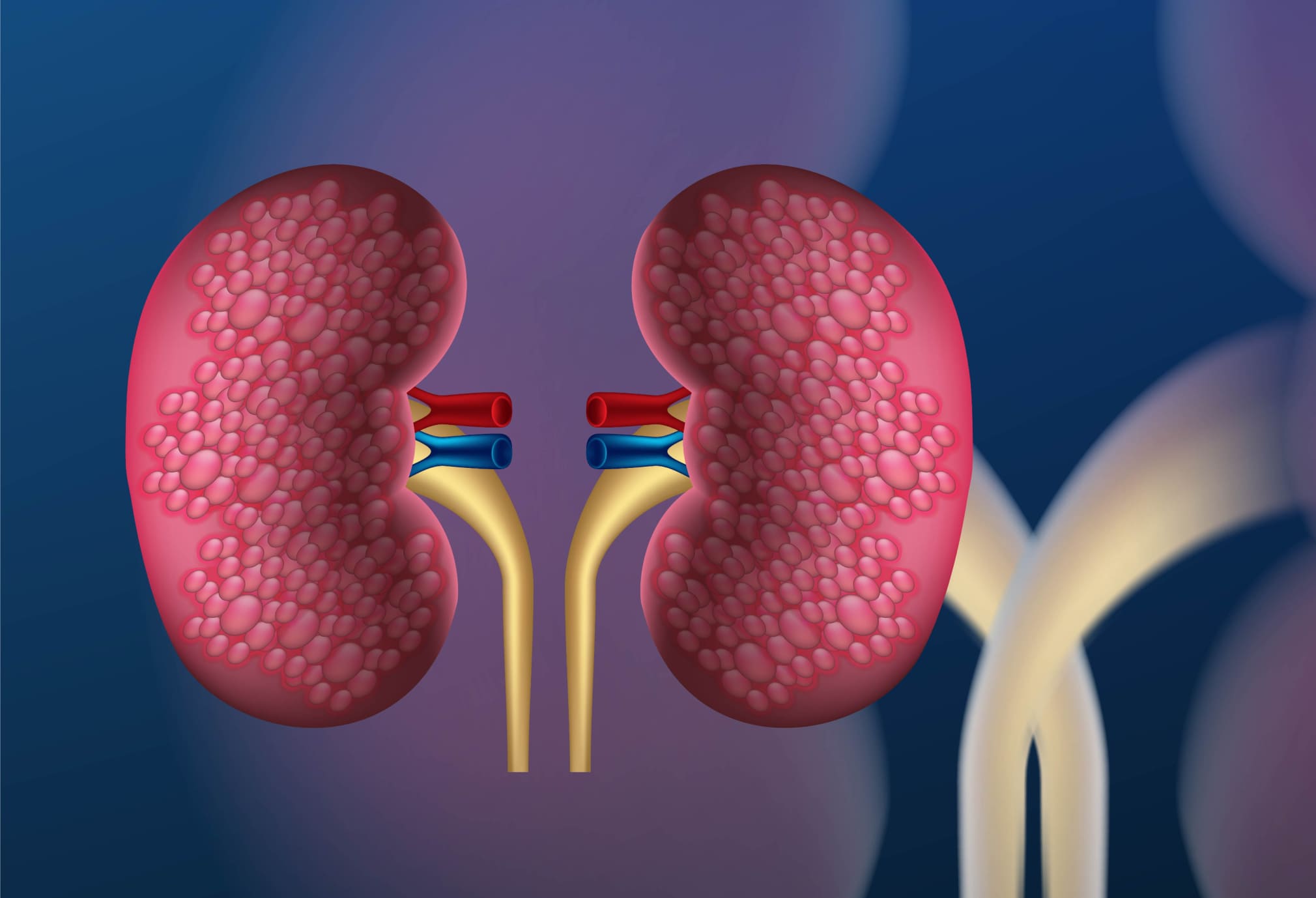
Kidney stones are hard deposits of minerals and salts that form inside the kidneys. Millions of people worldwide, including those in India, can suffer severe pain and discomfort as a result. The hot climate and dietary habits in India contribute to an increased risk of kidney stones. Everything you need to know about kidney stones, including their causes, symptoms, available treatments, and ways to prevent them, will be covered in this article.
Types of Kidney Stones
There are four main types of kidney stones:
The most common kind is calcium oxyalate stones, which form when calcium binds with oxalate in the urine. Stones made of uric acid are more common in
people who eat a lot of protein or have gout. Struvite Stones: Often associated with urinary tract infections (UTIs).
Cystine Stones: Rare and usually hereditary, caused by excessive cystine in the urine.
Causes of Kidney Stones
- Stones in the kidney can form for a variety of reasons, including: Dehydration: Insufficient water intake leads to concentrated urine, increasing the risk of stone formation.
- Dietary Factors: Kidney stones can be caused by eating too much protein, too much sodium, and oxalate-rich foods like spinach, nuts, and tea.
- Genetics: A family history of kidney stones makes you more likely to get them. Kidney stones are linked to hyperparathyroidism, infections of the urinary tract, and obesity.
- Stones in the Kidney: Signs The size and location of kidney stones determine their
symptoms. Common signs include:
- Severe pain: Usually in the lower back, side, or lower abdomen.
- Pain during urination: A burning sensation or discomfort.
- Blood in urine: Pink, red, or brown urine.
- Frequent urination: Urgent need to urinate even when the bladder is not full.
- Nausea and vomiting: Often due to pain or blockage in the urinary tract.
Diagnosis of Kidney Stones
Doctors diagnose kidney stones through:
- To find and measure stones, a CT scan or ultrasound is used. Urine test: Identifies infections or high mineral levels.
- Blood test: Checks for kidney function and mineral imbalances.
Treatment Options for Kidney Stones
The treatment for kidney stones depends on their size and severity:
- Home Remedies & Natural Treatments
- Drink more water: Drinking two to three liters of water every day helps get rid of small stones.
- Apple cider vinegar and lemon juice aid in the natural breakdown of kidney stones. Diet changes: Reducing salt, sugar, and oxalate-rich foods.
Medical Treatments
- Pain relievers: Ibuprofen or acetaminophen to manage pain.
- Alpha-blockers: Help relax the ureter muscles, making stone passage easier.
Surgical Procedures - Extracorporeal Shock Wave Lithotripsy (ESWL): Uses sound waves to break stones into smaller fragments.
- Ureteroscopy: A small tube inserted into the urethra to remove stones.
Conclusion
Kidney stones can be painful and disruptive, but with the right treatment and lifestyle changes, they can be managed effectively. Kidney stones can be avoided by drinking plenty of water, eating a well-balanced diet, and seeking prompt medical attention. If you experience symptoms, consult a doctor immediately to avoid complications.

Leave a Reply