
Introduction
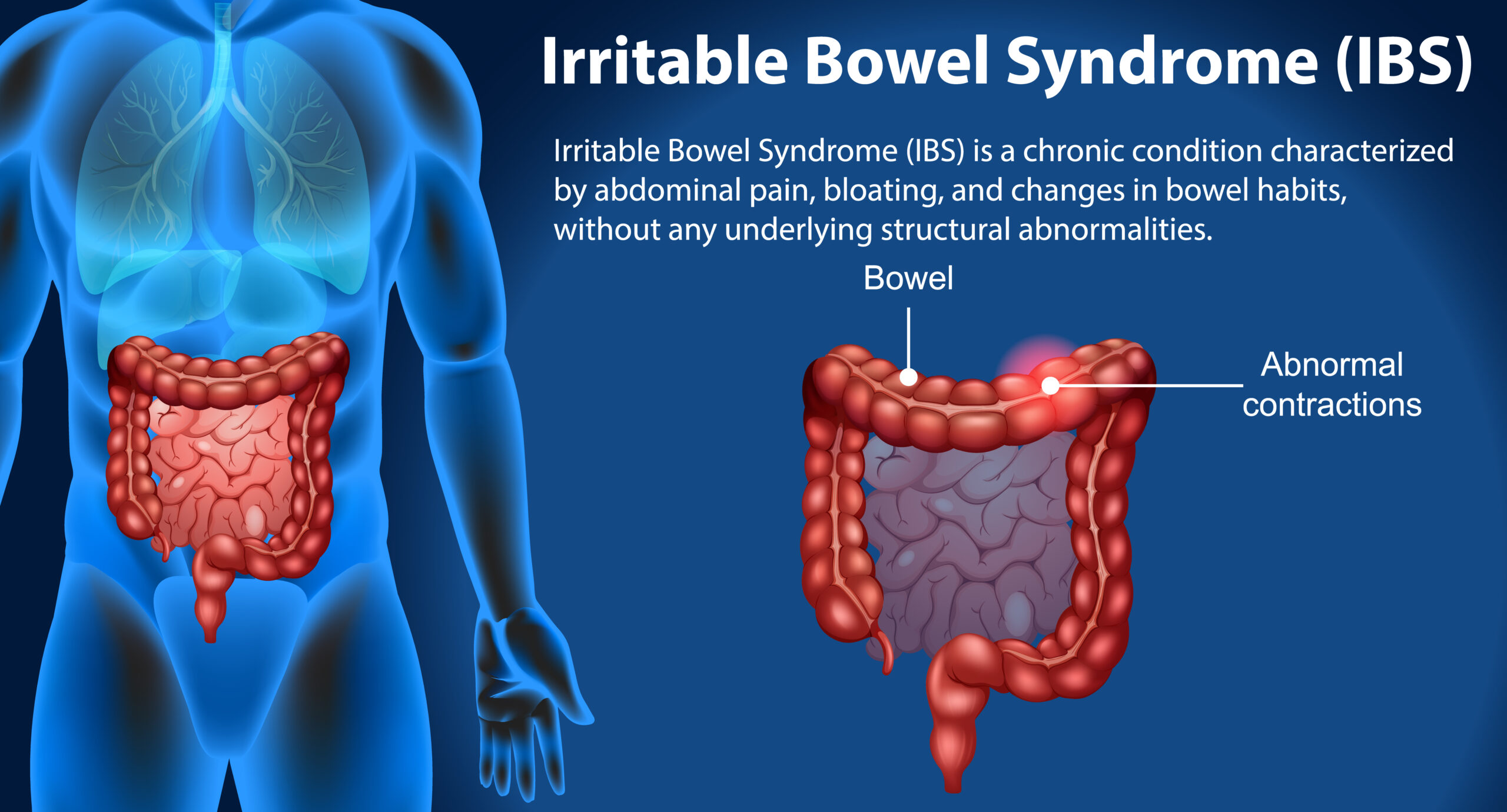
Irritable Bowel Syndrome (IBS) is a common gastrointestinal disorder that affects millions of people worldwide. Characterized by abdominal pain, bloating, and irregular bowel habits, IBS can significantly impact daily life. This blog will provide a comprehensive guide on IBS, including its causes, symptoms, diagnosis, treatment options, and preventive measures.
What is Irritable Bowel Syndrome (IBS)?
IBS is a chronic digestive condition that affects the large intestine. It is classified as a functional gastrointestinal disorder, meaning it affects the function of the digestive system without visible damage. While IBS is not life-threatening, it can cause discomfort and interfere with daily activities.
Causes of IBS
The exact cause of IBS is unknown, but several factors contribute to its development, including:
Symptoms of IBS
IBS symptoms vary from person to person but commonly include:
- Abdominal pain or cramping
- Bloating and gas
- Diarrhea (IBS-D)
- Constipation (IBS-C)
- Alternating diarrhea and constipation (IBS-M)
- Mucus in the stool
- Fatigue and difficulty sleeping
Diagnosing IBS
There is no specific test for IBS, but doctors diagnose it based on symptoms and medical history. Diagnostic criteria include:
Treatment Options for IBS
Although IBS has no permanent cure, various treatment approaches can help manage symptoms:
Dietary Changes
- Low FODMAP Diet: Avoid fermentable oligosaccharides, disaccharides, monosaccharides, and polyols to reduce symptoms.
- High-Fiber Diet: Helps with IBS-C but may worsen IBS-D.
- Avoid Trigger Foods: Identify and eliminate foods that cause symptoms.
Medications
- Antispasmodic Medications: Help reduce abdominal cramping.
- Laxatives: For IBS-C to promote bowel movement.
- Anti-Diarrheal Medications: Such as loperamide for IBS-D.
- Probiotics: Improve gut health and restore beneficial bacteria.
- Antidepressants: For cases where stress and anxiety exacerbate symptoms.
Lifestyle Modifications
- Regular Exercise: Activities like yoga, walking, and swimming can improve gut health.
- Stress Management: Meditation, deep breathing, and therapy can help reduce symptoms.
- Hydration: Drinking plenty of water aids digestion and prevents constipation.
Preventive Measures
Although IBS cannot always be prevented, certain steps can minimize the risk and severity of symptoms:
- Maintain a Balanced Diet: Focus on fiber-rich foods and avoid processed foods.
- Manage Stress: Engage in relaxation techniques like mindfulness and journaling.
- Get Sufficient Sleep: Poor sleep can worsen IBS symptoms.
- Avoid Overeating: Eat smaller, frequent meals to ease digestion.
- Monitor Symptoms: Keep a food and symptom diary to identify triggers.
Conclusion
Irritable Bowel Syndrome (IBS) is a manageable but challenging condition. Understanding its causes, symptoms, and treatment options can help individuals lead a more comfortable life. By making dietary changes, adopting a healthy lifestyle, and managing stress, IBS sufferers can improve their quality of life. If symptoms persist, seeking medical advice is crucial for proper diagnosis and management.

Leave a Reply