
Introduction
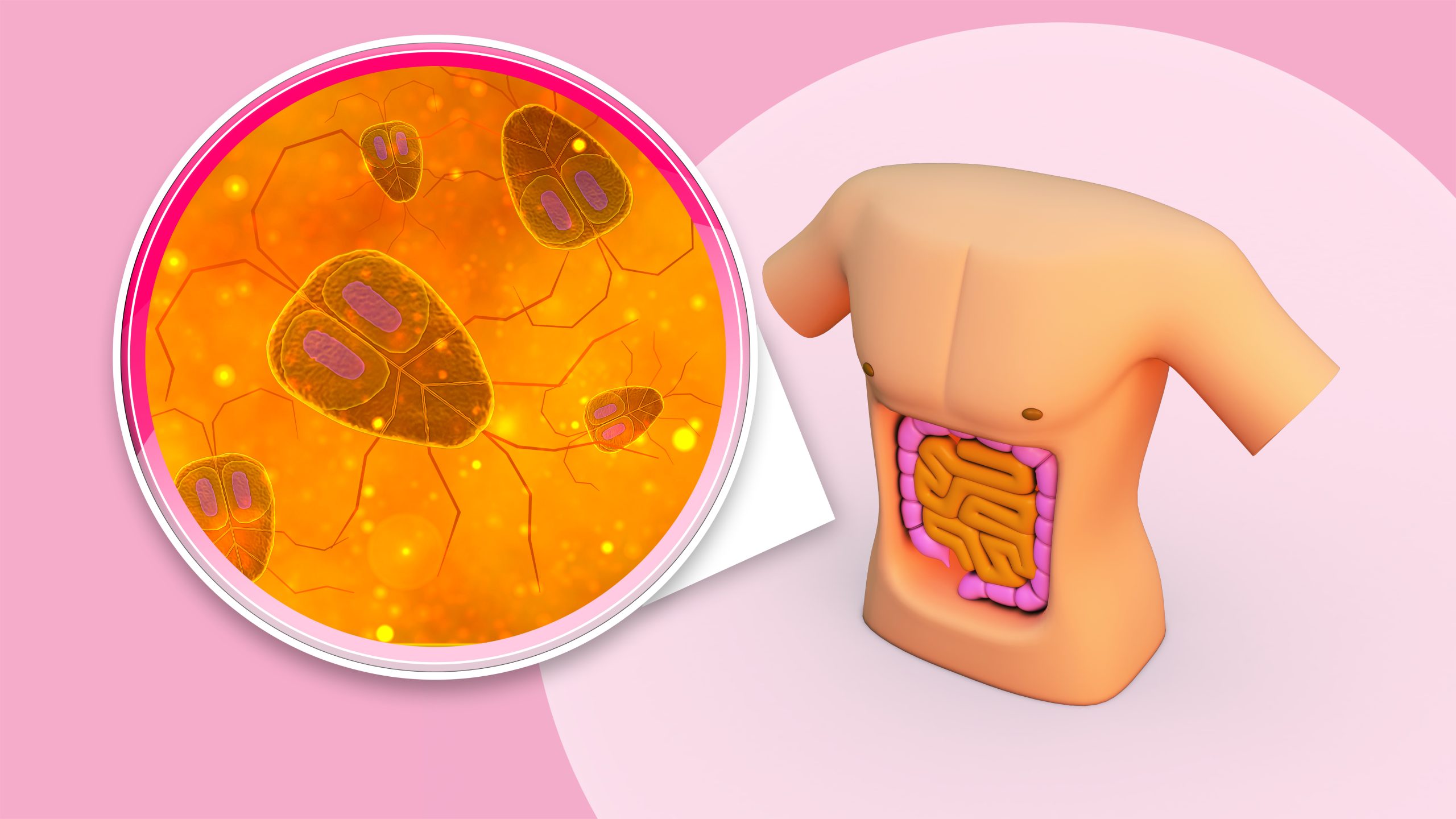
Inflammatory Bowel Disease (IBD) is a chronic condition that affects millions worldwide. It primarily includes Crohn’s Disease and Ulcerative Colitis, both of which cause inflammation in the digestive tract. IBD can lead to severe discomfort, affecting daily life and overall health. This article explores IBD, its types, causes, symptoms, diagnosis, and treatment options.
What is Inflammatory Bowel Disease (IBD)?
IBD refers to disorders that involve chronic inflammation of the gastrointestinal (GI) tract. The two main types are:
- Crohn’s Disease: Can affect any part of the GI tract from the mouth to the anus but most commonly affects the small intestine and colon. It can cause deep ulcers and thickening of the intestinal walls.
- Ulcerative Colitis: Affects only the colon (large intestine) and rectum, causing inflammation and ulcers in the innermost lining of the intestinal walls.
Causes & Risk Factors
While the exact cause of IBD is unknown, several factors contribute to its development:
1. Genetic Factors: A family history of IBD increases the risk.
2. Immune System Dysfunction: The body mistakenly attacks its own digestive tract, leading to chronic inflammation.
3. Environmental Triggers: Diet, pollution, stress, and infections may contribute.
4. Gut Microbiome Imbalance: Changes in gut bacteria can trigger inflammation.
Symptoms of IBD
Symptoms vary depending on the type and severity of the disease. Common symptoms include:
- Abdominal pain and cramping
- Chronic diarrhea (sometimes with blood)
- Unintended weight loss
- Fatigue
- Fever
- Loss of appetite
- Rectal bleeding
- Joint pain (in some cases)
Diagnosis of IBD
Diagnosing IBD involves multiple tests to distinguish it from other digestive disorders:
- Blood Tests: To check for inflammation, anemia, or infections.
- Stool Tests: To detect infections or signs of inflammation.
- Endoscopy & Colonoscopy: Allows direct visualization of the intestines and biopsies for lab testing.
- Imaging Tests (MRI, CT Scan): Helps detect inflammation, abscesses, or strictures.
Treatment Options for IBD
While there is no cure for IBD, various treatment options help manage symptoms and improve quality of life:
1. Medications
- Anti-inflammatory Drugs: Corticosteroids and aminosalicylates to reduce inflammation.
- Immune System Suppressors: Biologics (e.g., Infliximab, Adalimumab) and immunomodulators to prevent immune attacks.
- Antibiotics: Used to treat infections and complications like abscesses.
- Pain Relievers & Anti-Diarrheal Drugs: Help manage symptoms.
2. Dietary & Lifestyle Changes
- Low-Fiber Diet: Helps during flare-ups to reduce irritation.
- High-Protein & Nutrient-Rich Diet: Supports healing and maintains energy.
- Avoiding Dairy & Processed Foods: Helps prevent inflammation.
- Hydration & Regular Exercise: Improves digestion and overall health.
- Stress Management: Yoga, meditation, and therapy can help reduce flare-ups.
3. Surgery
- For Crohn’s Disease: Removal of damaged sections of the intestines.
- For Ulcerative Colitis: In severe cases, removal of the colon (colectomy) may be necessary.
Complications of IBD
If left untreated, IBD can lead to serious complications:
- Bowel Obstruction: Thickened intestinal walls can block the passage of food.
- Fistulas & Abscesses: Unnatural connections between organs and pockets of infection.
- Colon Cancer: Increased risk, particularly in long-term ulcerative colitis cases.
- Malnutrition: Poor absorption of nutrients due to intestinal inflammation.
Living with IBD: Coping Strategies - Regular Medical Check-ups: Helps monitor disease progression.
- Support Groups: Connecting with others who have IBD can provide emotional relief.
- Medication Adherence: Following prescribed treatments prevents flare-ups.
- Balanced Diet & Hydration: Ensures overall well-being.
Conclusion
Inflammatory Bowel Disease (IBD), including Crohn’s Disease and Ulcerative Colitis, requires lifelong management. While it can significantly impact daily life, proper treatment, lifestyle modifications, and medical support can help individuals lead fulfilling lives. If you suspect IBD symptoms, consult a gastroenterologist for early diagnosis and management.

Leave a Reply