
Introduction
Hematologic (blood-related) and autoimmune diseases affect millions worldwide, leading to chronic health complications if left untreated. These conditions can impact blood production, immune function, and overall well-being. This blog explores their causes, symptoms, and treatment options.
What Are Hematologic Diseases?
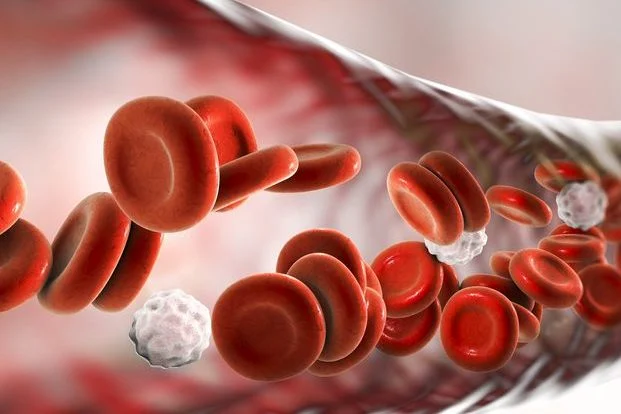
Hematologic diseases affect the blood, bone marrow, and lymphatic system. Some common disorders include:
- Anemia: A condition where the body lacks enough healthy red blood cells.
- Iron Deficiency Anemia – caused by a lack of iron in the diet.
- Sickle Cell Anemia – a genetic disorder that alters red blood cells.
- Aplastic Anemia – a rare condition where the bone marrow fails to produce enough cells.
- Leukemia: A type of blood cancer that affects white blood cells.
- Leukemia: A type of blood cancer that affects white blood cells.
- Hemophilia: A genetic disorder that prevents blood clotting, leading to excessive bleeding.
What Are Autoimmune Diseases?
Autoimmune diseases occur when the immune system mistakenly attacks healthy body tissues.:
- Rheumatoid Arthritis: Causes inflammation in joints, leading to pain and stiffness.
- Lupus (SLE): A chronic disease affecting the skin, joints, and organs.
- Multiple Sclerosis (MS): Affects the central nervous system, leading to nerve damage.
- Autoimmune Hemolytic Anemia: The immune system destroys red blood cell.
Causes & Risk Factors
While the exact causes vary, these diseases are linked to:
- Genetic factors: Family history increases risk.
- Environmental triggers: Viruses, bacteria, and pollutants can activate immune responses.
- Lifestyle habits: Stress, smoking, and poor diet contribute to disease progression.
Symptoms & Diagnosis
Symptoms depend on the disease but commonly include:
- Fatigue, weakness, and dizziness
- Joint pain and swelling
- Frequent infections
- Unexplained weight loss
Doctors diagnose these diseases through:
- Blood tests: Checking for inflammation, immune response, and cell counts.
- Bone marrow biopsy: Essential for diagnosing leukemia and other blood disorders.
- Imaging scans: MRI, CT scans for autoimmune disease complications.
Treatment Options
Treatment varies based on the condition but includes:
- Medications: Immunosuppressants, corticosteroids, and biologics help manage immune responses.
- Blood transfusions: Used in severe anemia and leukemia cases.
- Bone marrow transplant: A life-saving option for some hematologic conditions.
- Diet & lifestyle changes: A healthy diet, stress management, and exercise help improve outcomes.
Living with Hematologic & Autoimmune Diseases
Managing these diseases requires long-term care, including:
- Adopting a healthy diet rich in antioxidants and anti-inflammatory foods.
- Seeking emotional support through counseling or patient support groups.
- Regular checkups with specialists for disease management.
Conclusion
Hematologic and autoimmune diseases require early diagnosis and proper treatment to improve quality of life. Ongoing research is paving the way for new treatments, offering hope to millions affected worldwide.

Leave a Reply