
Introduction
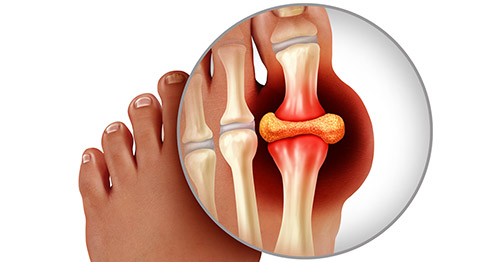
Gout is a form of inflammatory arthritis that results from high levels of uric acid in the blood, leading to the formation of urate crystals in the joints. It causes severe pain, swelling, and redness, most commonly affecting the big toe. This blog will explore the causes, symptoms, treatment options, and preventive measures for managing gout effectively.
What is Gout?
Gout is a type of arthritis characterized by sudden and intense pain in the joints. It occurs due to an excess of uric acid, which forms sharp crystals in the joints, leading to inflammation and discomfort.
Causes of Gout
- High Uric Acid Levels – Uric acid is a waste product formed from the breakdown of purines found in certain foods and the body.
- Dietary Factors – Consuming purine-rich foods like red meat, seafood, and alcohol increases the risk of gout.
- Obesity – Excess weight contributes to higher uric acid levels.
- Medical Conditions – Hypertension, diabetes, kidney disease, and metabolic syndrome can increase the risk.
- Genetics – A family history of gout raises susceptibility.
- Medications – Diuretics, aspirin, and some immunosuppressants can contribute to elevated uric acid levels.
Symptoms of Gout
- Severe Joint Pain – Often occurs in the big toe, but can affect ankles, knees, and other joints.
- Swelling and Redness – Inflammation leads to warmth and tenderness in the affected joint.
- Limited Mobility – The pain and swelling can make movement difficult.
- Recurrent Attacks – Gout flares come and go, sometimes lasting days to weeks.
- Chronic Gout – Repeated episodes can lead to joint damage and tophi formation (uric acid crystal deposits under the skin).
Diagnosis of Gout
Doctors diagnose gout through:
- Blood Tests – Checking uric acid levels.
- Joint Fluid Test – Extracting fluid from an inflamed joint to detect urate crystals.
- X-rays and Ultrasounds – Identifying joint damage and crystal deposits.
Treatment Options for Gout
Medications
- Pain Relievers – Nonsteroidal anti-inflammatory drugs (NSAIDs) like ibuprofen and naproxen help reduce pain and swelling.
- Colchicine – An effective medication for gout pain relief.
- Corticosteroids – Used when NSAIDs and colchicine are ineffective.
- Uric Acid-Lowering Drugs – Allopurinol and febuxostat help prevent gout attacks by reducing uric acid
production.
- Uricosuric Drugs – Probenecid helps the kidneys remove uric acid more effectively.
Lifestyle and Home Remedies - Dietary Changes – Avoid purine-rich foods like red meat, shellfish, and alcohol.
- Hydration: To flush out excess uric acid, drink a lot of water.
- Weight Management – Maintain a healthy weight to lower uric acid levels.
- Cold Compresses – Applying ice packs to affected joints can relieve pain.
- Regular Exercise – Staying active helps maintain overall health and prevent gout flare-ups.
Preventing Gout Attacks
- Monitor Uric Acid Levels – Regular check-ups help detect imbalances.
- Maintain a Balanced Diet – Include low-fat dairy, whole grains, and fresh fruits and vegetables.
- Limit Alcohol and Sugary Drinks – Reducing alcohol, especially beer, and avoiding sugary beverages helps lower gout risk.
- Stay Hydrated – Drinking water supports kidney function and uric acid elimination.
- Manage Chronic Conditions – Controlling blood pressure, diabetes, and cholesterol levels helps reduce the risk.
Conclusion
Gout is a painful but manageable condition. By understanding its causes, symptoms, and treatment options, individuals can take proactive steps to prevent flare-ups and improve their quality of life. If you suspect gout, seek medical advice for early diagnosis and effective management.

Leave a Reply