
Introduction
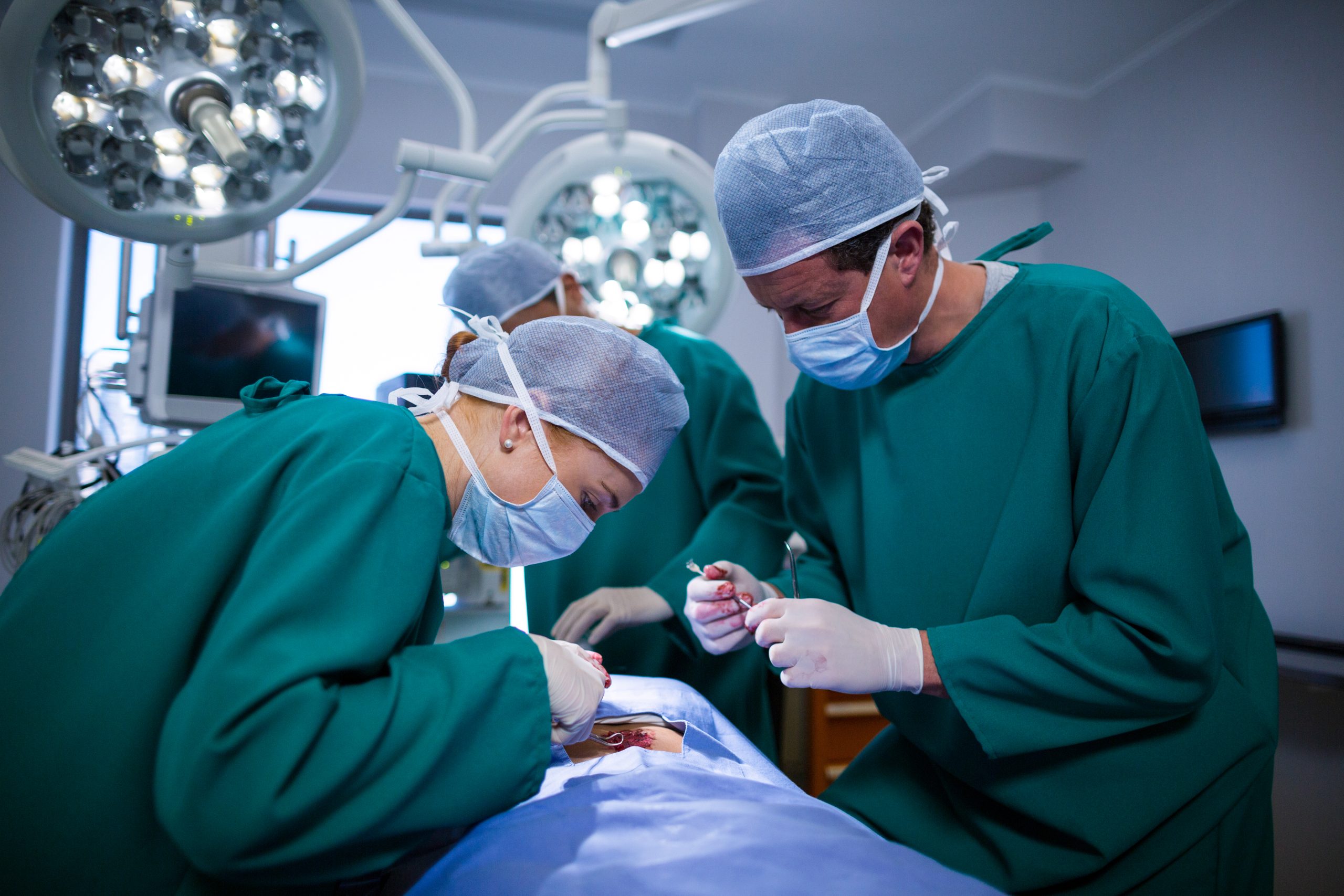
Gastrointestinal (GI) surgeries are procedures performed on the digestive system to treat various conditions, including cancers, infections, and digestive disorders. With advancements in medical science, minimally invasive techniques such as laparoscopic and robotic-assisted surgeries have improved patient outcomes.
In this guide, we explore the different types of gastrointestinal surgeries, their procedures, risks, recovery, and frequently asked questions.
What is Gastrointestinal Surgery?
Gastrointestinal surgery refers to medical procedures performed on the stomach, intestines, liver, pancreas, and other digestive organs. It is used to treat conditions such as gallstones, hernias, ulcers, and even gastrointestinal cancers.
Common Conditions That Require GI Surgery
- Gallstones – Removal of the gallbladder (cholecystectomy)
- Hernia – Repair of weakened abdominal muscles
- Appendicitis – Removal of an inflamed appendix
- Ulcers – Surgery for severe peptic ulcers
- Colon Cancer – Partial or complete removal of the colon
- Inflammatory Bowel Disease (IBD) – Surgical treatment for Crohn’s disease and ulcerative colitis
- Gastroesophageal Reflux Disease (GERD) – Anti-reflux procedures
Types of Gastrointestinal Surgeries
Lower GI Surgeries
- Colectomy – Removal of part or all of the colon.
- Colostomy & Ileostomy – Creation of an opening in the abdomen for waste elimination.
- Hemorrhoidectomy – Surgical removal of hemorrhoids.
Laparoscopic & Robotic GI Surgeries
- Laparoscopic Cholecystectomy – Minimally invasive removal of the gallbladder.
- Robotic-Assisted Hernia Repair – A modern approach to hernia treatment.
- Minimally Invasive Colon Surgery – Reduces recovery time and improves outcomes.
Preoperative Preparation
Before undergoing GI surgery, patients need to:
- Undergo medical tests such as blood work, imaging scans, and endoscopies.
- Follow a prescribed diet, which may include fasting before surgery.
- Stop certain medications that may interfere with the procedure.
- Stay hydrated and maintain good nutrition to aid recovery.
Risks and Complications of GI Surgeries
While GI surgeries have high success rates, potential risks include:
- Infections – Risk of wound infection or internal infections.
- Bleeding – Post-surgical bleeding may require further medical intervention.
- Blood Clots – Risk of deep vein thrombosis (DVT).
- Digestive Issues – Temporary difficulty in digesting food.
Postoperative Care and Recovery
- Hospital Stay – Some surgeries require a few days in the hospital.
- Pain Management – Medications for postoperative pain relief.
- Dietary Adjustments – Soft diet and gradual reintroduction of solid foods.
- Physical Activity – Avoid heavy lifting and strenuous activity for a few weeks.

Leave a Reply