
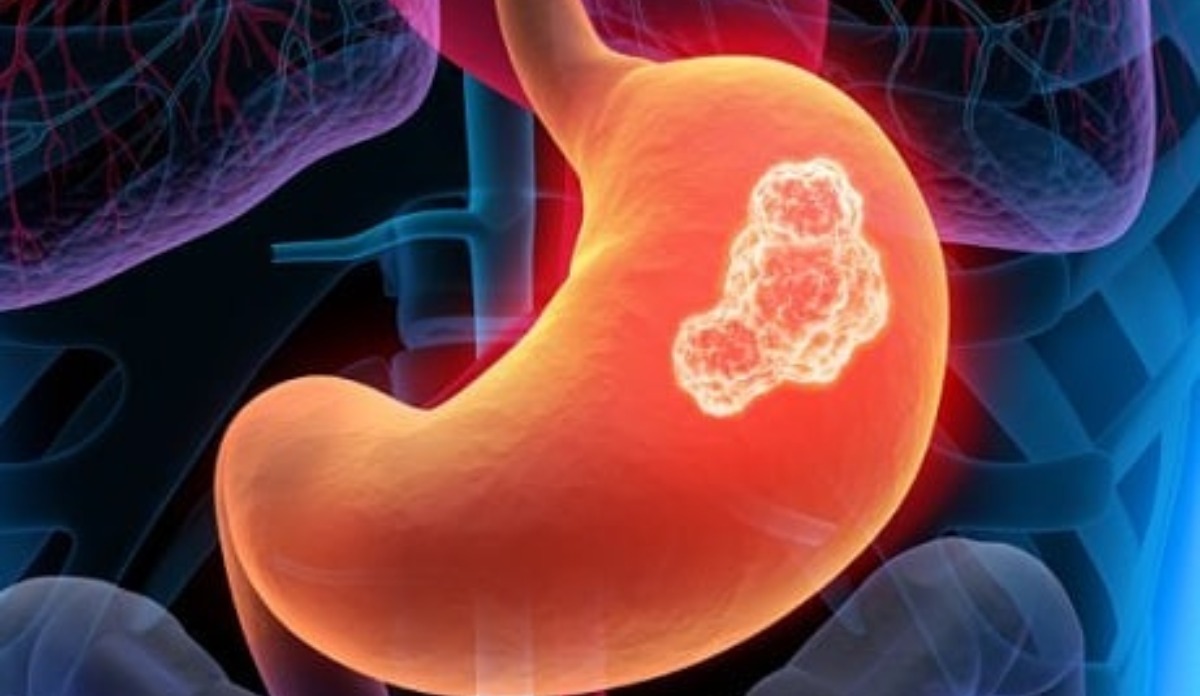
Introduction
The human digestive system plays a crucial role in breaking down food, absorbing nutrients, and expelling waste.However, various gastrointestinal (GI) disorders can disrupt these processes, leading to discomfort, pain, and severe health issues. In this comprehensive guide, we will explore common gastrointestinal disorders, their causes, symptoms, diagnosis, and treatment options.
What Are Gastrointestinal Disorders?
Gastrointestinal disorders refer to a group of conditions affecting the digestive tract, including the esophagus, stomach, intestines, liver, pancreas, and gallbladder. These disorders range from mild to severe and can significantly impact a person’s quality of life.
Common Gastrointestinal Disorders
Gastroesophageal Reflux Disease (GERD)
- Causes: Weak lower esophageal sphincter, obesity, smoking, spicy foods, certain medications.
- Symptoms: Heartburn, regurgitation, chest pain, difficulty swallowing.
- Treatment: Lifestyle changes, antacids, proton pump inhibitors (PPIs), surgery in severe cases.
Irritable Bowel Syndrome (IBS)
- Causes: Stress, food sensitivities, bacterial infections, abnormal muscle contractions in the intestine.
- Symptoms: Abdominal pain, bloating, diarrhea, constipation.
- Treatment: Dietary changes, probiotics, stress management, medications.
Inflammatory Bowel Disease (IBD)
- Types: Crohn’s Disease and Ulcerative Colitis.
- Causes: Autoimmune response, genetic factors, environmental triggers.
- Symptoms: Chronic diarrhea, abdominal pain, weight loss, fatigue, blood in stool.
- Treatment: Anti-inflammatory drugs, immunosuppressants, biologic therapy, surgery in severe cases.
Peptic Ulcers
- Causes: Helicobacter pylori (H. pylori) infection, excessive NSAID use, smoking, stress.
- Symptoms: Burning stomach pain, bloating, nausea, vomiting.
- Treatment: Antibiotics for H. pylori, PPIs, H2-receptor blockers, lifestyle changes.
Celiac Disease
- Causes: Autoimmune reaction to gluten.
- Symptoms: Diarrhea, bloating, fatigue, malabsorption of nutrients, skin rashes.
- Treatment: Strict gluten-free diet.
Constipation
- Causes: Low-fiber diet, dehydration, lack of physical activity, certain medications.
- Symptoms: Difficulty passing stools, bloating, straining during bowel movements.
- Treatment: High-fiber diet, increased water intake, laxatives (when necessary), regular exercise.
Diarrhea
- Causes: Viral or bacterial infections, food intolerance, medications, digestive disorders.
- Symptoms: Frequent, loose, or watery stools, dehydration, abdominal cramps.
- Treatment: Hydration, probiotics, anti-diarrheal medication (if necessary), addressing underlying causes.
Gallstones
- Causes: Excess cholesterol in bile, obesity, rapid weight loss, genetics.
- Symptoms: Severe pain in the upper right abdomen, nausea, vomiting, jaundice.
- Treatment: Medication, lifestyle changes, gallbladder removal surgery (cholecystectomy).
Hepatitis (Liver Inflammation)
- Types: Hepatitis A, B, C, D, and E.
- Causes: Viral infections, alcohol abuse, autoimmune diseases, toxins.
- Symptoms: Jaundice, fatigue, abdominal pain, dark urine.
- Treatment: Antiviral drugs, liver transplant in severe cases, lifestyle modifications.
Diagnosis of Gastrointestinal Disorders
- Physical Examination: Doctor’s assessment based on symptoms and medical history.
- Endoscopy: Insertion of a flexible tube with a camera to examine the digestive tract.
- Colonoscopy: Examination of the large intestine for abnormalities.
- Blood Tests: To check for infections, inflammation, or liver function.
- Imaging Tests: X-rays, ultrasound, CT scans, or MRI for detailed internal views.
- Stool Tests: To detect infections, blood, or digestive issues.
Treatment and Management
Lifestyle Changes
- Eating a balanced diet rich in fiber.
- Staying hydrated.
- Regular physical activity.
- Avoiding smoking and excessive alcohol consumption.
- Managing stress through yoga, meditation, or therapy.
Medications
- Antacids and PPIs for acid reflux.
- Laxatives for constipation.
- Anti-diarrheal drugs for diarrhea.
- Immunosuppressants for IBD.
- Antibiotics for infections like H. pylori.
Surgical Treatments
- Gallbladder removal for gallstones.
- Bowel resection for severe IBD.
- Liver transplant for end-stage liver disease.
Prevention Tips for Gastrointestinal Disorders
- Maintain a healthy diet and avoid processed foods.
- Practice good hygiene to prevent infections.
- Drink plenty of water.
- Get regular health checkups.
- Avoid excessive use of NSAIDs.
- Stay active to promote digestive health.
Conclusion
Gastrointestinal disorders can significantly impact daily life, but with proper diagnosis, treatment, and lifestyle adjustments, many can be effectively managed. If you experience persistent digestive issues, consult a healthcare professional for proper evaluation and treatment. By taking proactive steps, you can maintain a healthy digestive system and overall well-being.

Leave a Reply