
Introduction
Fractures and bone injuries are common medical conditions affecting people of all ages. From minor cracks to severe breaks, bone injuries can occur due to accidents, falls, or medical conditions such as osteoporosis. Understanding the types, symptoms, and treatments of fractures can help in early diagnosis and faster recovery.
What Are Bone Fractures?
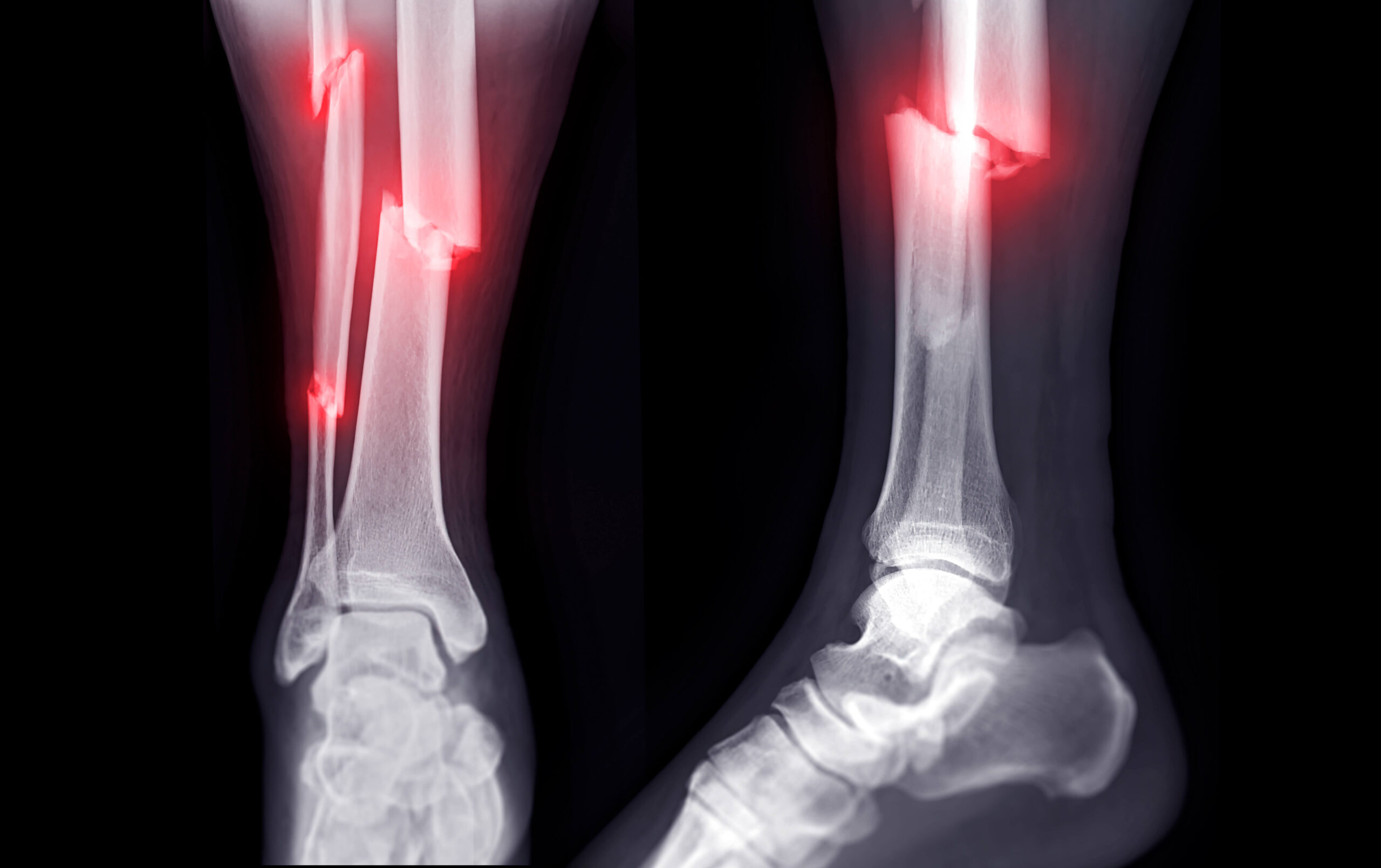
A bone fracture is a medical condition where the continuity of a bone is broken due to force, trauma, or stress. Fractures can range from minor cracks to complete breaks that may require surgical intervention.
Types of Bone Fractures
Closed (Simple) Fracture
- The bone is broken but does not puncture the skin.
Open (Compound) Fracture
- The broken bone pierces through the skin, increasing the risk of infection.
Hairline Fracture
- A small crack in the bone that may not fully break.
Comminuted Fracture
- The bone shatters into multiple pieces.
Greenstick Fracture
- Common in children, where the bone bends but does not completely break.
Stress Fracture
- Caused by repeated stress or overuse, often seen in athletes.
Pathological Fracture
- Occurs due to underlying diseases like osteoporosis or cancer.
Causes of Bone Fractures
- Trauma & Accidents – Car accidents, falls, or sports injuries.
- Osteoporosis – Weak bones that break easily.
- Overuse & Repetitive Stress – Running or heavy lifting can lead to stress fractures.
- Medical Conditions – Bone infections, tumors, and diseases can weaken bones.
Symptoms of Bone Fractures
- Severe pain and tenderness
- Swelling and bruising around the injured area
- Difficulty moving or using the affected limb
- Deformity or unusual positioning of the bone
- In cases of open fractures, visible bone exposure through the skin
Diagnosis of Bone Fractures
Doctors diagnose bone fractures through:
- Physical Examination – Checking pain, swelling, and movement restriction.
- X-rays – Identifying bone breaks or fractures.
- MRI or CT Scans – Providing detailed imaging for complex fractures.
Treatment Options for Bone Fractures
Immobilization
- Using casts, splints, or braces to keep bones in place for healing.
- Traction
- Applying steady pulling force to align broken bones.
Surgical Treatment
- Severe fractures may require surgery, metal plates, or screws.
Pain Management
- Prescribed pain relievers and anti-inflammatory medications.
Physical Therapy
- Helps regain strength and mobility after healing.
Recovery Process & Healing Time
- Minor fractures may heal in 4 to 6 weeks.
- Severe fractures can take months and may require rehabilitation.
- Proper nutrition (calcium, vitamin D) helps faster bone healing.
Preventing Bone Injuries
- Exercise Regularly – Strengthens bones and improves balance.
- Eat Calcium & Vitamin D-Rich Foods – Dairy, leafy greens, and fortified foods.
- Wear Protective Gear – Helmets, knee pads, and braces for sports activities.
- Avoid Risky Activities – Reduce chances of falls or injuries.
- Regular Bone Density Tests – For early detection of osteoporosis.
Conclusion
Fractures and bone injuries can significantly impact daily life, but with proper treatment and preventive measures, recovery can be smooth. Early diagnosis, appropriate medical care, and a healthy lifestyle play essential roles in maintaining strong bones and preventing future injuries.

Leave a Reply