
Introduction
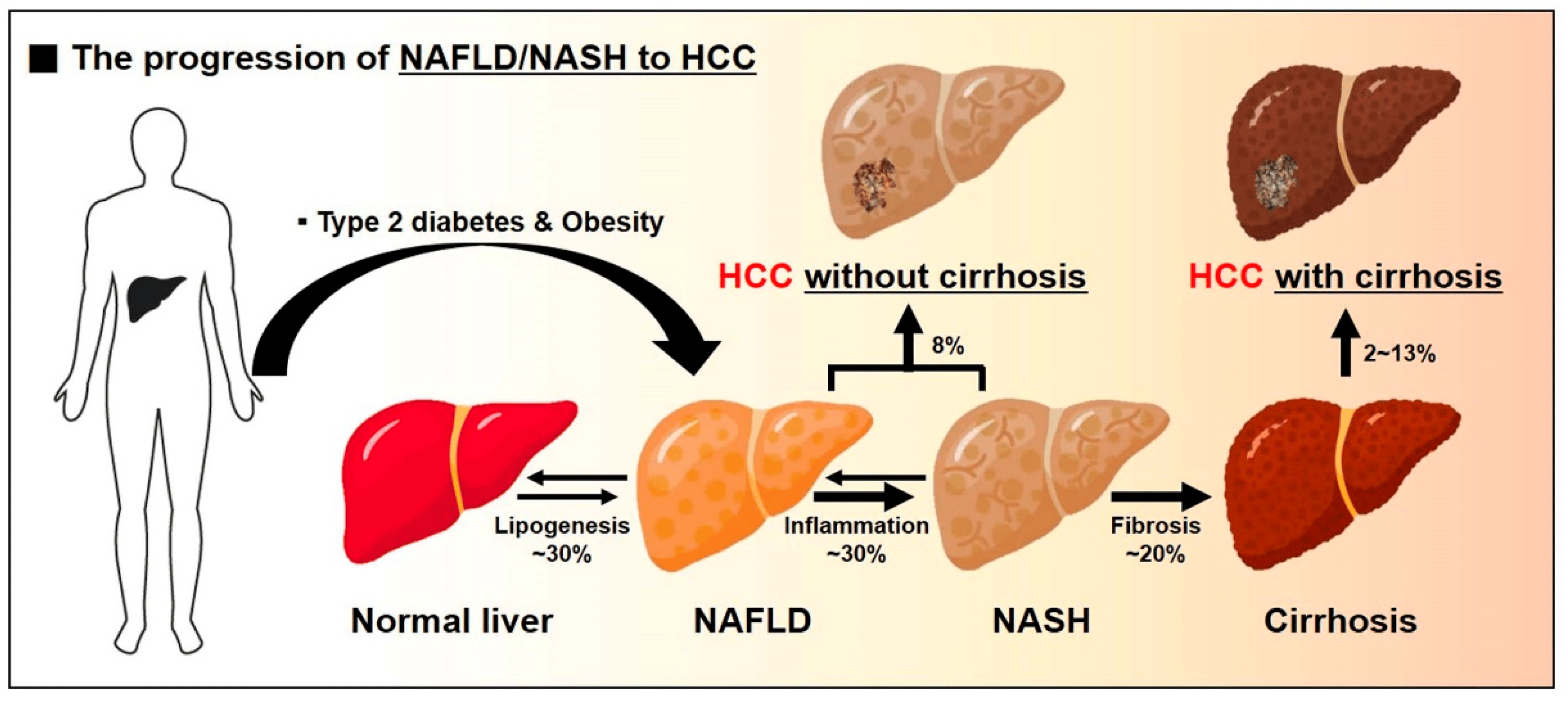
Fatty Liver Disease is a growing global health issue, particularly in countries with rising obesity rates. It is classified into two main types:
- Non-Alcoholic Fatty Liver Disease (NAFLD) – A condition where excess fat builds up in the liver without alcohol consumption.
- Non-Alcoholic Steatohepatitis (NASH) – A severe form of NAFLD that involves liver inflammation, fibrosis, and potential liver damage.
With lifestyle changes and increasing metabolic disorders like diabetes and obesity, NAFLD/NASH has become a significant concern, especially in India and other developing nations.
Causes & Risk Factors
Several factors contribute to the development of NAFLD and its progression to NASH:
Symptoms & Diagnosis
Most people with early-stage NAFLD have no symptoms. However, as it progresses, the following may appear:
- Fatigue and weakness
- Unexplained weight loss
- Abdominal pain or discomfort (upper right side)
- Swelling in the abdomen (in severe cases)
Diagnosis Methods:
- Blood Tests – Check liver enzyme levels (ALT, AST).
- Ultrasound & Fibroscan – Detects fat accumulation.
- Liver Biopsy – Used in severe cases to assess liver damage.
Stages & Progression
Treatment & Management
Lifestyle Changes
- Diet: A Mediterranean-style diet with high fiber, lean proteins, and healthy fats.
- Exercise: Regular physical activity (150 minutes per week) helps reduce liver fat.
- Weight Loss: A 5-10% reduction in body weight can improve liver health.
Medical Treatments & Supplements
- Vitamin E and Omega-3 fatty acids may help.
- Certain diabetes medications (Metformin, GLP-1 agonists) show benefits.
- New drugs for NASH are under research.
Prevention Tips
- Eat a balanced diet with whole foods and minimal sugar.
- Exercise regularly to maintain a healthy weight.
- Avoid excessive alcohol and processed foods.
Conclusion
Fatty Liver Disease is preventable and manageable with early detection and lifestyle changes. If you are at risk, consult a doctor for early intervention.

Leave a Reply