
Introduction
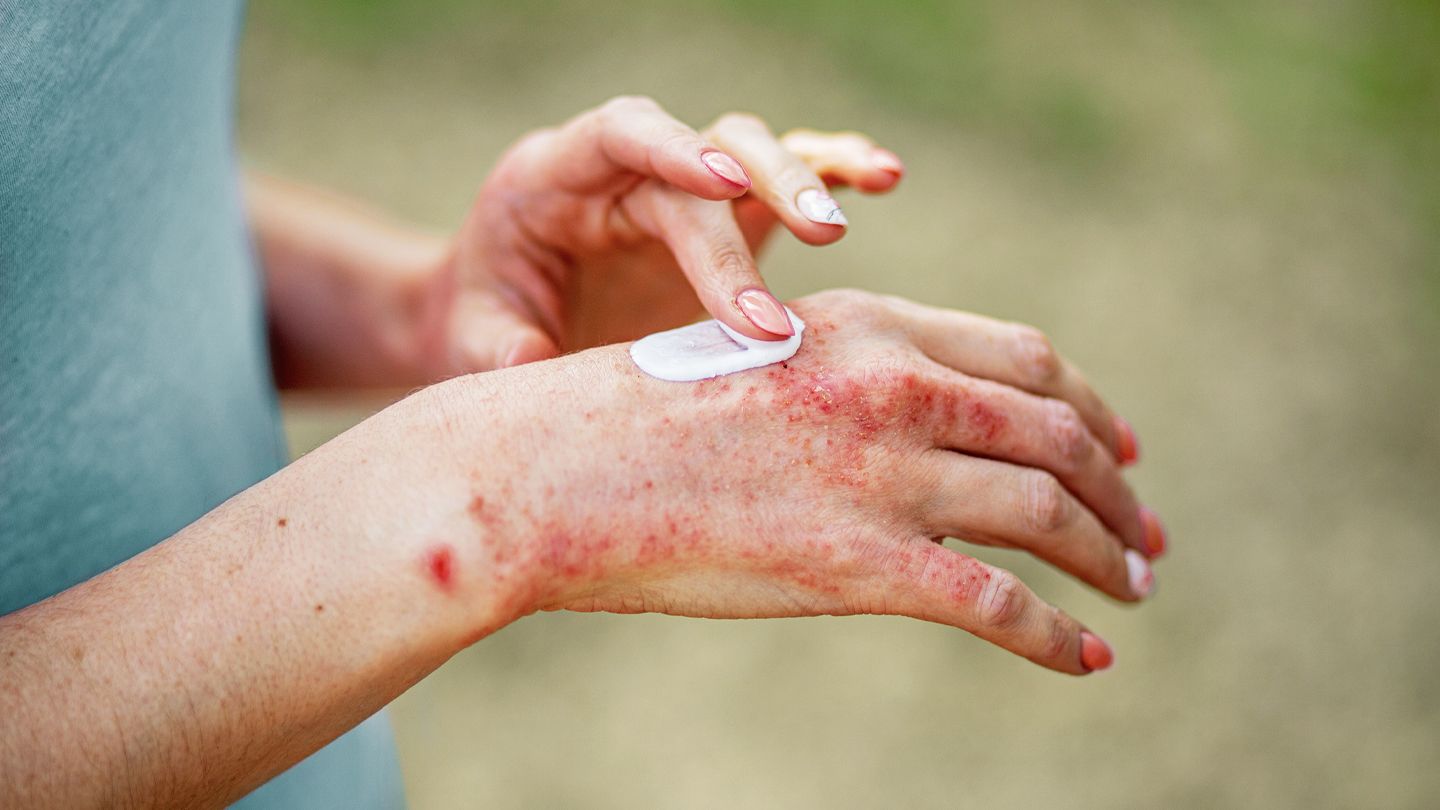
Eczema, also known as atopic dermatitis, is a chronic skin condition that affects millions of people worldwide. It is characterized by red, itchy, and inflamed skin, often leading to discomfort and distress. While eczema can affect people of all ages, it is more common in infants and children. This blog will explore the causes, symptoms, treatment options, and preventive measures to help manage eczema effectively.
What is Eczema (Atopic Dermatitis)?
Eczema is a non-contagious, inflammatory skin condition that results in dryness, irritation, and itching. It can be triggered by genetic, environmental, and immune system factors. The condition often follows a relapsing-remitting pattern, meaning that symptoms can improve and worsen periodically.
Causes of Eczema
Eczema is caused by a combination of factors, including:
1. Genetic Factors
- A family history of eczema, asthma, or hay fever increases the likelihood of developing atopic dermatitis.
- Mutations in the filaggrin gene, responsible for maintaining the skin barrier, can lead to increased skin sensitivity.
2. Immune System Dysfunction
- An overactive immune system reacts aggressively to allergens and irritants, causing skin inflammation.
3. Environmental Triggers
- Climate changes (cold, dry weather or extreme heat)
- Pollution and allergens (dust mites, pet dander, pollen)
- Harsh chemicals in soaps, detergents, and cosmetics
4. Skin Barrier Dysfunction
- People with eczema have a compromised skin barrier, making their skin more susceptible to irritation and infections.
Symptoms of Eczema
Symptoms of atopic dermatitis can vary from mild to severe and may include:
- Dry, scaly, and rough skin
- Red, inflamed patches (especially on the hands, face, elbows, and knees)
- Severe itching (which may worsen at night)
- Cracked or weeping skin (indicating possible infection)
- Darkened or thickened skin in chronic cases
Types of Eczema
There are different types of eczema, including:
1. Atopic Dermatitis – The most common form, associated with allergies and asthma.
2. Contact Dermatitis – Caused by direct skin contact with allergens or irritants.
3. Dyshidrotic Eczema – Characterized by small, itchy blisters on hands and feet.
4. Nummular Eczema – Appears as coin-shaped patches of irritated skin.
5. Seborrheic Dermatitis – Common on the scalp, causing dandruff-like flakes.
6. Stasis Dermatitis – Affects the lower legs due to poor blood circulation.
Treatment Options for Eczema
While there is no cure for eczema, various treatment methods help manage symptoms and prevent flare-ups.
1. Medical Treatments
- Topical corticosteroids: Reduce inflammation and itching.
- Calcineurin inhibitors: Non-steroidal creams that control flare-ups.
- Antihistamines: Help with severe itching, especially at night.
- Immunosuppressants: Prescribed in severe cases to regulate the immune system.
- Biologic therapies: Newer treatments like dupilumab (Dupixent) target inflammation at the immune level.
2. Natural and Home Remedies
- Moisturizers and emollients (fragrance-free) to keep skin hydrated.
- Coconut oil or aloe vera for soothing irritated skin.
- Oatmeal baths to relieve itching.
- Cold compresses to reduce redness and swelling.
Prevention Tips for Managing Eczema
Although eczema cannot be completely prevented, the following steps can help minimize flare-ups:
1. Keep Skin Hydrated – Apply moisturizer immediately after bathing to lock in moisture.
2. Use Gentle Skincare Products – Choose fragrance-free and hypoallergenic products.
3. Avoid Long, Hot Showers – Use lukewarm water to prevent skin from drying out.
4. Manage Stress Levels – Practice meditation, yoga, or deep breathing exercises to reduce stress-related flare-ups.
5. Maintain a Healthy Diet – Foods rich in omega-3 fatty acids, probiotics, and vitamin E can improve skin health.
6. Identify and Avoid Triggers – Keep a diary to track potential allergens or irritants that worsen symptoms.
Conclusion
Eczema (atopic dermatitis) is a chronic yet manageable skin condition that requires proper care and preventive measures. While there is no permanent cure, medical treatments, home remedies, and lifestyle changes can help control symptoms and reduce flare-ups. By understanding triggers and maintaining a consistent skincare routine, individuals with eczema can lead comfortable and healthy lives.

Leave a Reply