
Introduction
Diabetes Mellitus is a chronic metabolic disorder that affects millions of people worldwide. It occurs when the body either does not produce enough insulin or cannot effectively use the insulin it produces. The two main types of diabetes, Type 1 and Type 2, have different causes, risk factors, and treatment approaches. This article provides a comprehensive guide to understanding diabetes, its symptoms, causes, and management strategies.
What is Diabetes Mellitus?
Diabetes Mellitus is a condition characterized by high blood sugar (glucose) levels over an extended period. Insulin, a hormone produced by the pancreas, helps regulate blood sugar levels. When the body fails to produce or use insulin effectively, glucose builds up in the bloodstream, leading to various health complications.
Types of Diabetes Mellitus
Type 1 Diabetes
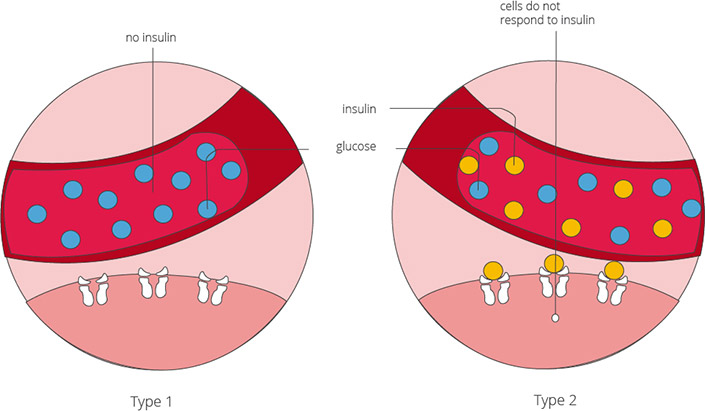
Type 1 diabetes is an autoimmune condition where the immune system mistakenly attacks insulin-producing beta cells in the pancreas. As a result, the body produces little to no insulin, requiring individuals to rely on insulin therapy for survival.
Causes of Type 1 Diabetes:
- Genetic predisposition
- Autoimmune response
- Environmental triggers (such as viral infections)
Symptoms of Type 1 Diabetes:
- Frequent urination (polyuria)
- Excessive thirst (polydipsia)
- Unexplained weight loss
- Extreme fatigue
- Blurred vision
- Increased hunger (polyphagia)
Type 2 Diabetes
Type 2 diabetes is the most common form of diabetes and occurs when the body becomes resistant to insulin or does not produce enough insulin. Unlike Type 1, it is largely preventable and manageable with lifestyle modifications.
Causes of Type 2 Diabetes:
- Genetic factors
- Obesity and physical inactivity
- Unhealthy diet high in sugar and processed foods
- Insulin resistance due to aging or metabolic disorders
Symptoms of Type 2 Diabetes:
- Increased thirst and frequent urination
- Fatigue
- Slow-healing wounds
- Numbness or tingling in hands and feet
- Recurrent infections (such as urinary tract infections)
- Darkened skin patches (acanthosis nigricans)
Risk Factors for Diabetes Mellitus
- Family history of diabetes
- Obesity and sedentary lifestyle
- High blood pressure and cholesterol levels
- Gestational diabetes during pregnancy
- Polycystic ovary syndrome (PCOS) in women
- Age (higher risk for individuals over 45 years old)
Diagnosis of Diabetes
Doctors diagnose diabetes through various blood tests:
- Fasting Blood Sugar Test: Measures blood glucose after fasting for 8 hours
- HbA1c Test: Provides average blood sugar levels over 2-3 months
- Oral Glucose Tolerance Test (OGTT): Checks blood sugar levels before and after consuming a glucose drink
- Random Blood Sugar Test: Measures blood sugar levels at any time of the day
Treatment and Management of Diabetes
Type 1 Diabetes Treatment:
- Insulin Therapy: Daily insulin injections or insulin pumps
- Blood Sugar Monitoring: Frequent glucose checks to maintain optimal levels
- Healthy Diet: Balanced meals with controlled carbohydrate intake
- Physical Activity: Regular exercise to improve insulin sensitivity
Type 2 Diabetes Management:
- Lifestyle Changes: Weight loss, regular exercise, and a balanced diet
- Medications: Oral drugs like Metformin, DPP-4 inhibitors, or SGLT2 inhibitors
- Insulin Therapy (in severe cases): Some individuals may require insulin
- Monitoring Blood Sugar Levels: Routine blood glucose checks
Diet and Nutrition for Diabetes Management
A diabetes-friendly diet includes:
- High-fiber foods like whole grains, legumes, and vegetables
- Lean proteins such as fish, chicken, and tofu
- Healthy fats from nuts, seeds, and olive oil
- Low-glycemic index (GI) foods to prevent blood sugar spikes
- Limiting processed foods, sugary beverages, and refined carbohydrates
Complications of Uncontrolled Diabetes
If not managed properly, diabetes can lead to severe complications, including:
- Cardiovascular Diseases: Increased risk of heart attacks and strokes
- Kidney Damage (Nephropathy): May lead to kidney failure
- Nerve Damage (Neuropathy): Causes pain, numbness, and foot ulcers
- Eye Damage (Retinopathy): Can result in blindness
- Diabetic Foot Ulcers: Poor wound healing leading to infections
Preventing Type 2 Diabetes
- Maintain a healthy weight
- Engage in regular physical activity (at least 30 minutes per day)
- Eat a balanced diet rich in whole foods and low in sugar
- Manage stress through mindfulness, yoga, or meditation
- Monitor blood sugar levels regularly if at high risk
Conclusion
Diabetes Mellitus, whether Type 1 or Type 2, is a serious but manageable condition. Early diagnosis, lifestyle modifications, and proper medical care can help individuals lead a healthy life. If you suspect symptoms of diabetes, consult a healthcare provider for timely intervention.
By staying informed and making proactive choices, individuals can reduce their risk and improve their quality of life while living with diabetes.

Leave a Reply