
Introduction
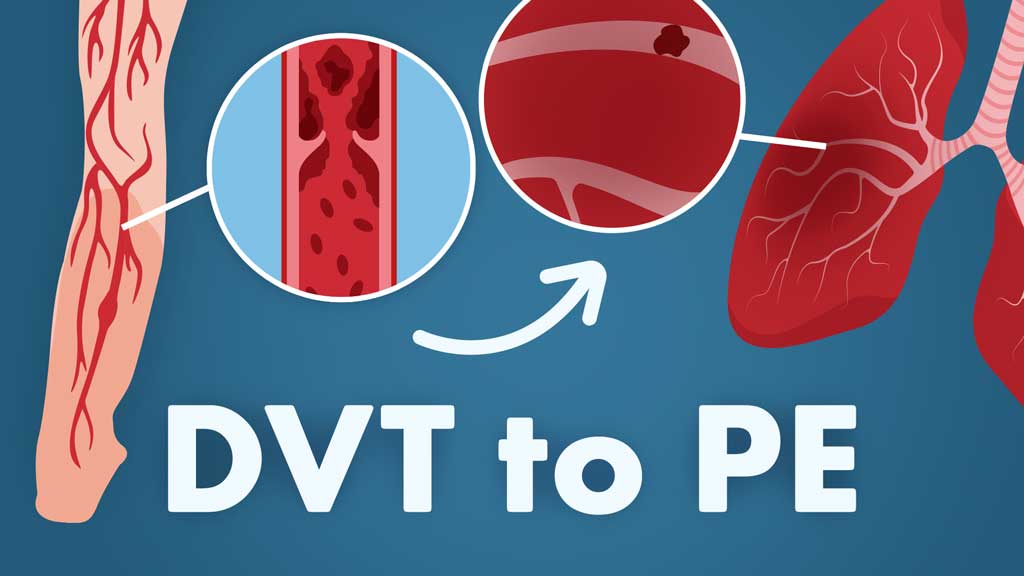
Deep Vein Thrombosis (DVT) and Pulmonary Embolism (PE) are serious vascular conditions that require immediate medical attention. DVT occurs when a blood clot forms in a deep vein, usually in the legs, while PE happens when a clot travels to the lungs, blocking blood flow. Understanding the causes, symptoms, and treatment options for these conditions can help in early diagnosis and prevention.
What is Deep Vein Thrombosis (DVT)?
DVT is a condition in which a blood clot (thrombus) forms in one or more deep veins in the body, typically in the legs. It can cause pain and swelling but may also present without noticeable symptoms. If untreated, the clot can break loose and travel to the lungs, causing a life-threatening pulmonary embolism.
Causes of DVT
- Prolonged immobility: Long flights, bed rest, or hospitalization
- Surgery or injury: Especially orthopedic surgeries (hip/knee replacement)
- Genetic clotting disorders: Factor V Leiden mutation, protein C or S deficiency
- Pregnancy: Increased clotting tendency due to hormonal changes
- Obesity: Puts extra pressure on veins
- Smoking: Damages blood vessels and increases clotting risk
- Certain medications: Birth control pills, hormone replacement therapy
- Cancer: Some cancers and chemotherapy increase clotting risk
Symptoms of DVT
- Swelling in one leg (rarely both)
- Pain or tenderness in the leg, often starting in the calf
- Warmth and redness over the affected area
- Leg cramping, especially at night
- Veins appearing more prominent than usual
What is Pulmonary Embolism (PE)?
Pulmonary Embolism occurs when a deep vein blood clot dislodges and travels to the lungs, blocking one or more pulmonary arteries. This can lead to severe complications, including heart failure and death if untreated.
Causes of PE
Since PE is caused by DVT, its risk factors overlap with those of DVT. Additional risk factors include:
- Heart disease: Increases the risk of clot formation
- Lung diseases: COPD, pulmonary hypertension
- COVID-19 infection: Higher risk of clotting complications
- Major trauma or fractures: Increases clotting tendency
Symptoms of PE
- Sudden shortness of breath (even at rest)
- Sharp chest pain that worsens with deep breathing
- Coughing, sometimes with blood
- Rapid heart rate and irregular heartbeat
- Lightheadedness or fainting
- Cyanosis (bluish skin due to lack of oxygen)
Diagnosis of DVT & PE
Diagnostic Tests for DVT
- D-Dimer Test: Measures clot breakdown products in the blood
- Ultrasound: Most common test to detect DVT in the legs
- Venography: X-ray imaging with contrast dye to visualize veins
Diagnostic Tests for PE
- CT Pulmonary Angiography (CTPA): Gold standard for PE diagnosis
- Ventilation-Perfusion (V/Q) Scan: Measures blood and air flow in lungs
- Pulmonary Angiogram: Invasive test but provides detailed clot visualization
Treatment of DVT & PE
Medications
- Anticoagulants (Blood Thinners): Heparin, Warfarin, Rivaroxaban, Apixaban
- Thrombolytics (Clot Busters): Used in severe cases to dissolve clots
- Pain relievers & anti-inflammatory drugs
Medical Procedures
- Inferior Vena Cava (IVC) Filter: Prevents clots from reaching lungs
- Catheter-Directed Thrombolysis: Direct clot removal through a catheter
- Surgical Thrombectomy: Rarely performed but can be life-saving
Lifestyle Modifications & Prevention
- Stay active: Avoid prolonged sitting or lying down
- Compression stockings: Improve circulation and prevent swelling
- Hydration: Reduces blood viscosity and clot formation risk
- Quit smoking: Improves vascular health and lowers clot risk
- Healthy diet: Increase omega-3 fatty acids, fiber, and vitamin K balance
- Weight management: Reduces pressure on veins and improves circulation
Conclusion
DVT and PE are life-threatening conditions that require prompt medical intervention. Recognizing the early signs, understanding the risk factors, and adopting preventive measures can significantly reduce complications. If you experience symptoms of DVT or PE, seek immediate medical attention. Early diagnosis and treatment can be life-saving.

Leave a Reply