
Introduction
Coronary Artery Disease (CAD) is one of the leading causes of death in India. It occurs when the coronary arteries, responsible for supplying oxygen-rich blood to the heart, become narrowed or blocked due to plaque buildup. This condition increases the risk of heart attacks and other cardiovascular complications. In this blog, we will explore the causes, symptoms, risk factors, treatment options, and prevention strategies for CAD, with a special focus on India.
What is Coronary Artery Disease (CAD)?
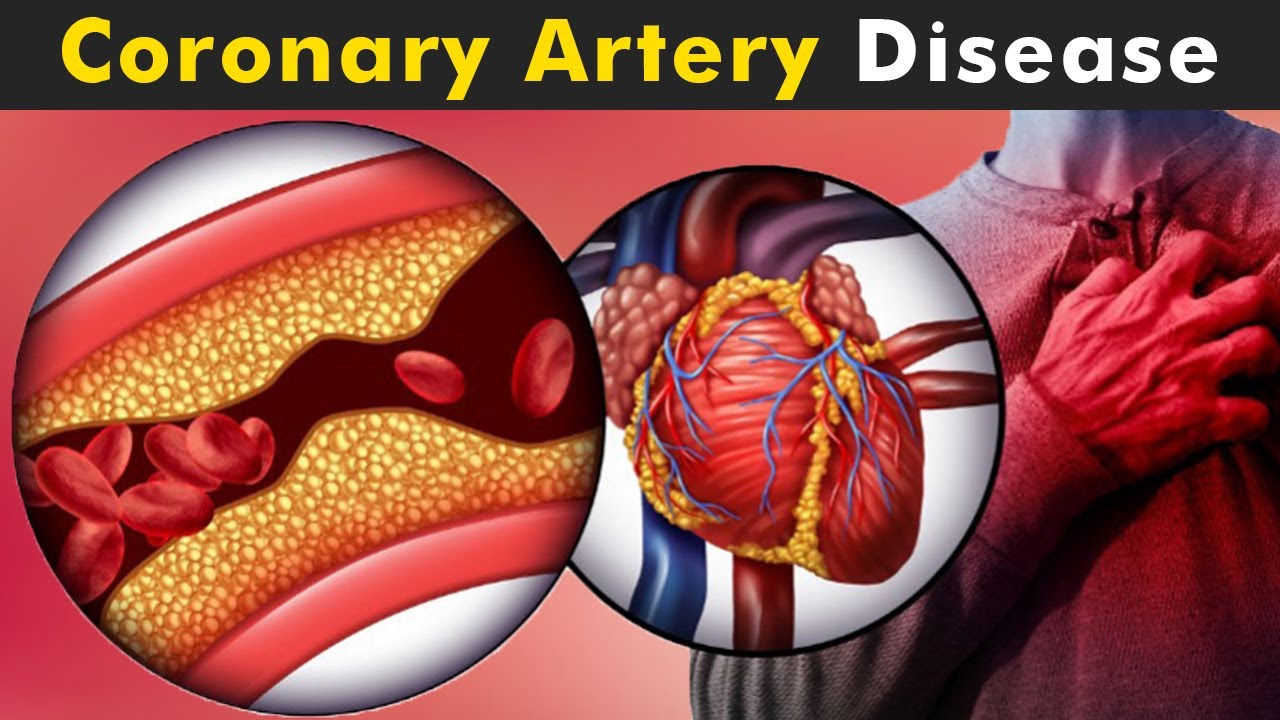
Coronary Artery Disease (CAD) is a heart condition that develops due to the accumulation of cholesterol, fat, and other substances in the coronary arteries. This buildup, known as plaque, leads to a condition called atherosclerosis, which restricts blood flow and can result in severe heart problems.
Causes of Coronary Artery Disease (CAD)
The primary cause of CAD is atherosclerosis, but several factors contribute to its development:
- High Cholesterol Levels: Excess LDL (bad cholesterol) leads to plaque formation in arteries.
- Hypertension (High Blood Pressure): Increased pressure damages artery walls, making them prone to plaque accumulation.
- Diabetes: High blood sugar levels increase the risk of CAD.
- Smoking & Tobacco Use: Tobacco damages blood vessels and accelerates plaque buildup.
- Obesity & Unhealthy Diet: High-fat and processed food consumption contribute to CAD.
- Lack of Physical Activity: A sedentary lifestyle raises the risk of heart disease.
- Genetic Factors: A family history of heart disease increases the likelihood of CAD.
- Stress: Chronic stress can elevate blood pressure and lead to unhealthy habits like smoking and overeating.
Symptoms of Coronary Artery Disease (CAD)
CAD symptoms may vary among individuals, but the most common ones include:
- Chest Pain (Angina): A tightness or pressure in the chest, often triggered by physical exertion or stress.
- Shortness of Breath: Difficulty in breathing due to reduced oxygen supply to the heart.
- Fatigue: Persistent tiredness due to inefficient heart function.
- Heart Palpitations: Irregular heartbeats or fluttering sensation.
- Dizziness or Nausea: A feeling of lightheadedness, especially during exertion.
- Heart Attack: Severe blockage may lead to a heart attack, characterized by extreme chest pain, sweating, and difficulty breathing.
Risk Factors of CAD in India
India has one of the highest incidences of CAD due to several region-specific risk factors:
- High Prevalence of Diabetes: India is known as the diabetes capital of the world, increasing CAD risk.
- Unhealthy Eating Habits: High consumption of fried and carbohydrate-rich foods.
- Genetic Susceptibility: Indians have a higher genetic predisposition to heart disease.
- Air Pollution: Poor air quality contributes to cardiovascular problems.
- Urban Lifestyle & Stress: High-stress levels in cities contribute to unhealthy habits and hypertension.
Diagnosis of Coronary Artery Disease
To diagnose CAD, doctors may use the following tests:
- Electrocardiogram (ECG): Records the heart’s electrical activity.
- Stress Test: Evaluates heart performance under exertion.
- Echocardiogram: Uses ultrasound to assess heart function.
- Coronary Angiography: Uses dye and X-rays to check for blockages.
- CT Angiography: A non-invasive imaging test to visualize arteries.
Treatment Options for Coronary Artery Disease (CAD)
1. Medications
- Statins: Lower cholesterol levels.
- Blood Pressure Medications: Help manage hypertension.
- Blood Thinners (Aspirin): Reduce clot formation.
- Beta-Blockers & Nitrates: Improve blood flow and reduce chest pain.
2. Surgical & Interventional Procedures
- Angioplasty & Stent Placement: A minimally invasive procedure to open blocked arteries.
- Coronary Artery Bypass Grafting (CABG): A surgical procedure that bypasses blocked arteries.
3. Lifestyle Changes
- Healthy Diet: Increase intake of fruits, vegetables, whole grains, and healthy fats.
- Regular Exercise: Engage in at least 30 minutes of physical activity daily.
- Quit Smoking & Alcohol: Avoiding tobacco and excessive alcohol improves heart health.
- Stress Management: Yoga, meditation, and relaxation techniques help lower stress levels.
Preventing Coronary Artery Disease (CAD) in India
Preventing CAD requires long-term commitment to a heart-healthy lifestyle:
- Eat a Balanced Diet: Focus on fiber-rich foods and avoid trans fats.
- Maintain a Healthy Weight: Obesity is a key contributor to heart disease.
- Control Blood Sugar Levels: Diabetes management reduces CAD risk.
- Stay Active: Regular exercise keeps the heart strong.
- Regular Health Check-ups: Early detection can prevent severe complications.
Conclusion
Coronary Artery Disease (CAD) is a growing health concern in India, but it can be managed with early detection, lifestyle changes, and medical intervention. By adopting a heart-healthy lifestyle, staying active, and undergoing regular check-ups, individuals can significantly lower their risk of CAD. If you experience any symptoms, consult a cardiologist immediately.

Leave a Reply