
Introduction
Colorectal cancer, also known as colon cancer or rectal cancer, is one of the most common types of cancer worldwide. It develops in the colon or rectum, which are parts of the large intestine. Early detection and treatment significantly improve survival rates. This blog provides comprehensive insights into colorectal cancer, including its causes, symptoms, diagnosis, and treatment options.
What is Colorectal Cancer?
Colorectal cancer occurs when abnormal cells in the colon or rectum grow uncontrollably, forming tumors. It often begins as noncancerous polyps, which can become cancerous over time if left untreated.
Causes and Risk Factors
Understanding the causes and risk factors of colorectal cancer can help in prevention and early detection. The primary factors include:
1. Genetic Factors
- Family history of colorectal cancer
- Genetic mutations (e.g., Lynch syndrome, familial adenomatous polyposis)
2. Lifestyle and Dietary Factors
- High consumption of red and processed meats
- Low fiber diet
- Sedentary lifestyle
- Excessive alcohol consumption
- Smoking
3. Health Conditions
- Inflammatory bowel diseases (IBD), such as Crohn’s disease and ulcerative colitis
- Type 2 diabetes
- Obesity
Symptoms of Colorectal Cancer
Early-stage colorectal cancer may not cause noticeable symptoms, making screening crucial. As the disease progresses, the following symptoms may appear:
- Persistent changes in bowel habits (diarrhea or constipation)
- Blood in the stool or rectal bleeding
- Unexplained weight loss
- Abdominal pain or cramping
- Fatigue and weakness
- Feeling that the bowel does not empty completely
Diagnosis and Screening
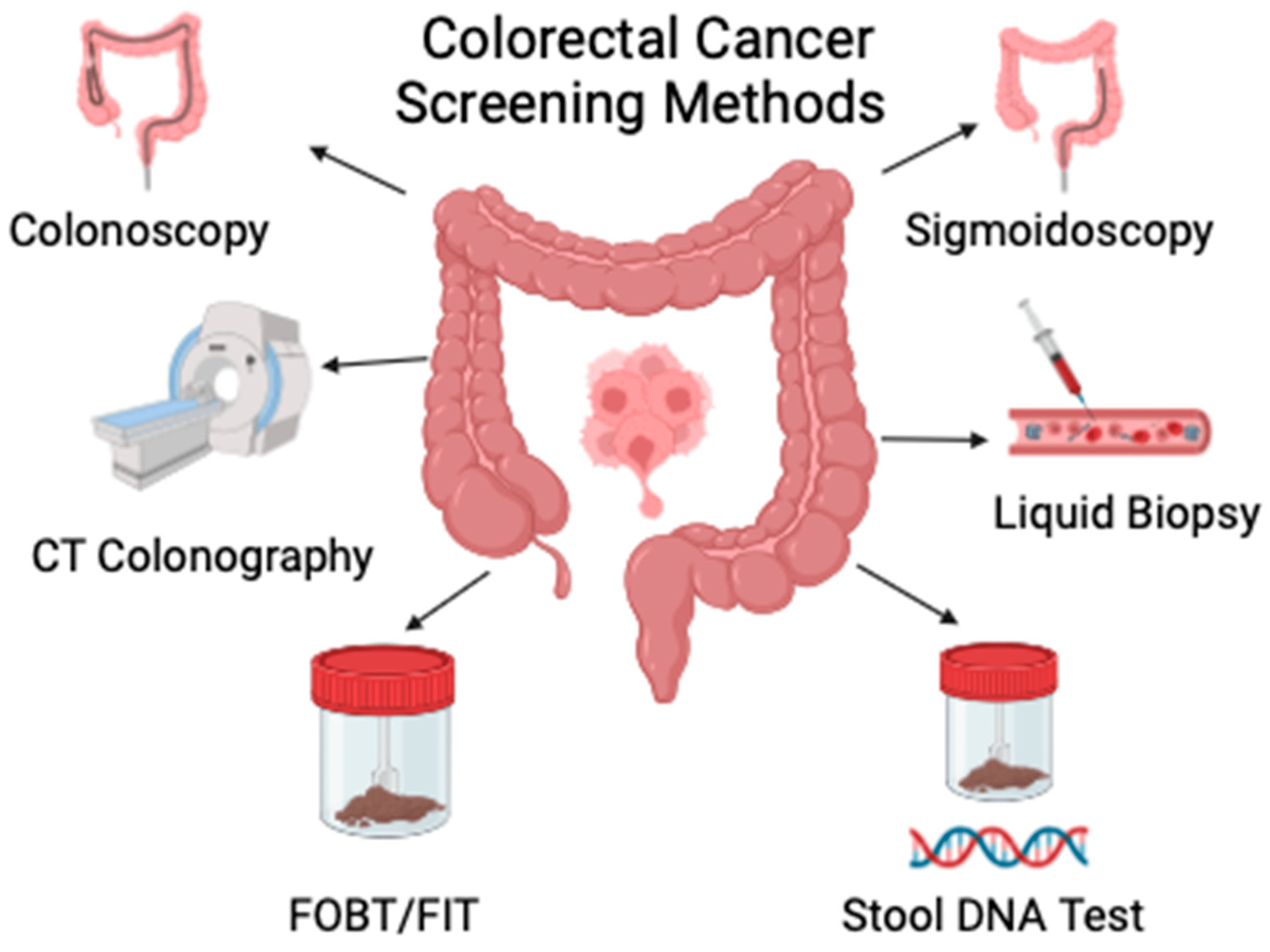
Early detection through regular screening can help prevent colorectal cancer or detect it at an early stage when treatment is more effective.
1. Screening Tests
- Colonoscopy: A flexible tube with a camera is used to examine the colon and remove polyps if found.
- Fecal Occult Blood Test (FOBT): Detects hidden blood in the stool.
- Stool DNA Test: Identifies DNA changes in cells shed from the colon.
- Sigmoidoscopy: Examines the rectum and lower colon.
2. Diagnostic Tests
- Biopsy: Tissue samples are taken for examination.
- CT Colonography (Virtual Colonoscopy): Uses CT scans to create images of the colon.
- Blood Tests: Detect anemia and tumor markers like CEA (Carcinoembryonic Antigen).
Treatment Options for Colorectal Cancer
The treatment plan depends on the cancer stage, overall health, and patient preferences. Common treatment approaches include:
1. Surgery
- Polypectomy: Removal of polyps during a colonoscopy.
- Colectomy: Partial or total removal of the colon or rectum.
- Laparoscopic Surgery: A minimally invasive approach for early-stage cancer.
2. Radiation Therapy
- Often used for rectal cancer to shrink tumors before surgery.
- High-energy beams target and destroy cancer cells.
3. Chemotherapy
- Used before or after surgery to kill cancer cells.
- Common drugs include 5-FU, capecitabine, and oxaliplatin.
4. Targeted Therapy
- Drugs like cetuximab and bevacizumab target specific cancer cell proteins.
5. Immunotherapy
- Boosts the body’s immune system to fight cancer.
- Pembrolizumab and nivolumab are commonly used.
Prevention and Lifestyle Changes
While some risk factors like genetics cannot be controlled, lifestyle changes can reduce the risk of colorectal cancer:
- Eat a high-fiber diet (fruits, vegetables, whole grains)
- Limit red and processed meats
- Exercise regularly
- Maintain a healthy weight
- Avoid smoking and limit alcohol consumption
- Get screened regularly (especially after age 45 or earlier if at high risk)
Conclusion
Colorectal cancer is a serious but preventable disease with early detection and lifestyle modifications. Regular screenings, healthy dietary habits, and timely medical intervention can significantly reduce the risk and improve outcomes. If you experience any symptoms or have a family history of colorectal cancer, consult a doctor for appropriate screening and guidance.

Leave a Reply