
Introduction
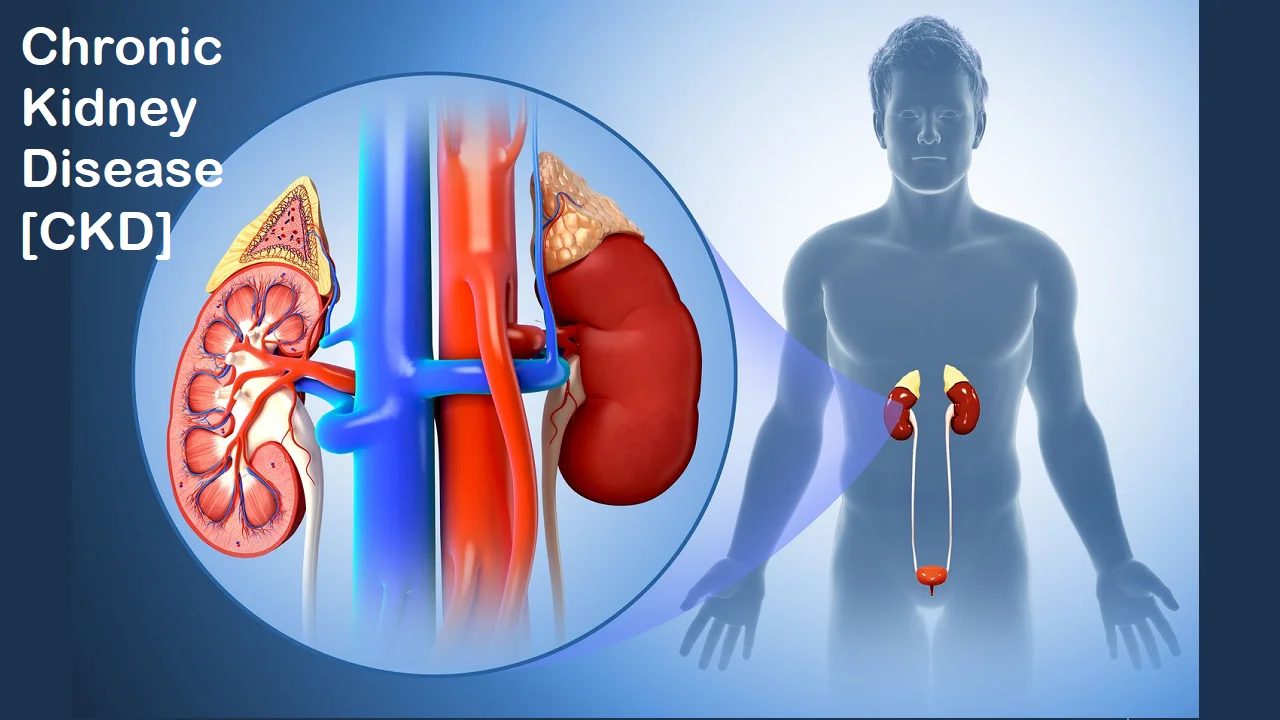
Chronic Kidney Disease (CKD) is a progressive condition where the kidneys gradually lose their function over time. It affects millions of people worldwide and, if left untreated, can cause serious health issues. Early detection and effective management can be made easier with an understanding of its causes, symptoms, and available treatments.
What exactly is CKD, or chronic kidney disease?
Long-term kidney damage that prevents the organs from filtering waste and excess fluids effectively is known as chronic kidney disease (CKD). Based on the glomerular filtration rate (GFR), the condition is divided into five stages, with stage 5 being end-stage renal disease (ESRD), which requires dialysis or a kidney transplant.
Chronic Kidney Disease Causes CKD is caused by a number of things, including:
- Diabetes: Over time, high blood sugar levels can harm kidney tissue. High Blood Pressure: Increased pressure can weaken blood vessels in the kidneys.
- Genetic Disorders: Conditions like polycystic kidney disease (PKD) can lead to CKD.
- Autoimmune Conditions: Kidney inflammation can be caused by lupus and other autoimmune conditions. Infections and Obstructions: Recurrent kidney infections and urinary blockages can impair kidney function.
- Medications and Toxins: The kidneys can be harmed by long-term use of NSAIDs and exposure to toxins. The signs of CKD In its early stages, CKD frequently progresses undetected; however, as kidney function deteriorates,
- symptoms emerge. Common symptoms include:
Treatment Options for CKD
Although there is no cure for CKD, treatments can manage its
symptoms:
- Changes to one’s way of life Reduce your sodium, potassium, and phosphorus intake for a healthy diet. Regular Exercise: Helps maintain a healthy weight and blood pressure.
- Quit Smoking & Limit Alcohol: Prevents further kidney damage.
Medications
- Medication for high blood pressure (ACE inhibitors, ARBs) Diabetes medications to control blood sugar levels
- Diuretics to reduce fluid retention
- Iron supplements for anemia
Dialysis & Kidney Transplant
- For advanced CKD (stage 5), patients may require:
- Hemodialysis: Removes waste and excess fluids via a dialysis machine.
- The peritoneal membrane is utilized in peritoneal dialysis for waste removal. Kidney Transplant: A donated kidney replaces the failing organ.
Treatment of CKD Taking proactive measures can significantly lower the risk of CKD:
- Maintain optimal blood sugar levels if diabetic.
- Control blood pressure through diet and medication.
- Stay hydrated and maintain a balanced diet.
- Avoid excessive use of painkillers and nephrotoxic substances.
- Get regular kidney function tests if at risk.
Conclusion
Chronic Kidney Disease (CKD) is a serious but manageable condition when detected early. Regular screenings, healthy lifestyle choices, and medical interventions can improve quality of life and delay disease progression. If you have risk factors for CKD, consult a healthcare provider for preventive care.

Leave a Reply