
Introduction
Carpal Tunnel Syndrome (CTS) and other nerve compression disorders affect millions of people worldwide, causing pain, numbness, and weakness in the hands, arms, and other areas. These conditions can significantly impact daily life and work productivity. This article provides a comprehensive guide to understanding CTS and nerve compression disorders, their causes, symptoms, diagnosis, and treatment options.
What is Carpal Tunnel Syndrome?
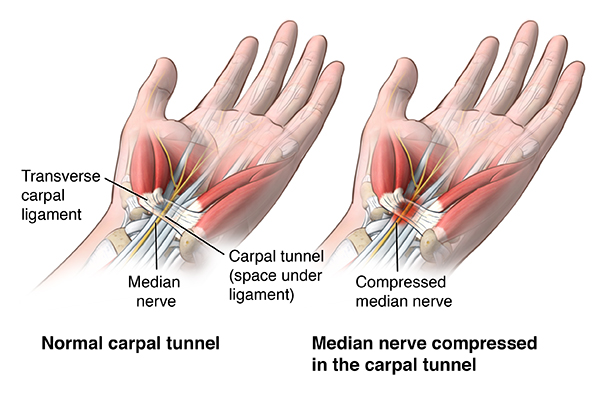
Carpal Tunnel Syndrome is a common nerve compression disorder that affects the median nerve as it passes through the carpal tunnel in the wrist. This condition occurs when the tunnel narrows or when tissues surrounding the flexor tendons swell, increasing pressure on the median nerve.
Causes of Carpal Tunnel Syndrome
- Repetitive Hand Movements: Frequent use of keyboards, tools, or machinery
- Medical Conditions: Diabetes, arthritis, thyroid disorders
- Injury: Wrist fractures or trauma
- Genetics: Inherited smaller carpal tunnels
- Pregnancy: Fluid retention leading to increased pressure on the median nerve
Symptoms of Carpal Tunnel Syndrome
- Numbness or tingling in the thumb, index, and middle fingers
- Weakness in the hand, difficulty gripping objects
- Pain that worsens at night
- A burning sensation in the fingers or palm
- Wrist stiffness and discomfort
Other Nerve Compression Disorders
Besides Carpal Tunnel Syndrome, other nerve compression disorders affect different parts of the body:
1. Cubital Tunnel Syndrome
- Affects the ulnar nerve at the elbow
- Causes numbness, tingling in the ring and little fingers
- Weakness in hand grip and difficulty bending the elbow
2. Radial Tunnel Syndrome
- Affects the radial nerve in the forearm
- Symptoms include aching pain on the top of the forearm, weakness, and sensitivity
3. Tarsal Tunnel Syndrome
- Affects the tibial nerve in the ankle
- Causes burning pain, tingling, and numbness in the foot
4. Thoracic Outlet Syndrome
- Compression of nerves and blood vessels in the shoulder area
- Leads to arm pain, numbness, and poor circulation
Diagnosis of Nerve Compression Disorders
Diagnosing nerve compression disorders typically involves:
- Physical Examination: Checking strength, sensation, and reflexes
- Electromyography (EMG): Measuring electrical activity in muscles
- Nerve Conduction Studies (NCS): Assessing nerve signal speed
- MRI or Ultrasound: Detecting structural issues causing nerve compression
Treatment Options
1. Non-Surgical Treatments
- Rest and Activity Modification: Reducing repetitive hand movements
- Wrist Splints: Keeping the wrist in a neutral position
- Physical Therapy: Strengthening exercises and stretching
- Medications: Anti-inflammatory drugs to reduce pain and swelling
- Steroid Injections: Reducing inflammation around compressed nerves
2. Surgical Treatments
- Carpal Tunnel Release Surgery: Cutting the carpal ligament to relieve pressure
- Ulnar Nerve Decompression: Releasing the nerve from the cubital tunnel
- Radial Tunnel Surgery: Relieving pressure on the radial nerve
Prevention and Lifestyle Changes
- Maintain proper wrist posture while typing or using tools
- Take frequent breaks during repetitive tasks
- Strengthen hand and wrist muscles with exercises
- Use ergonomic workstations to reduce strain
- Maintain a healthy lifestyle to prevent inflammation-related conditions
Conclusion
Carpal Tunnel Syndrome and other nerve compression disorders can affect daily life and work efficiency. Understanding the causes, symptoms, and treatment options can help manage and prevent these conditions effectively. If symptoms persist, seeking medical advice is essential to prevent further complications.

Leave a Reply