
Introduction
Benign Prostatic Hyperplasia (BPH) is a common condition affecting men as they age, causing an enlargement of the prostate gland. This non-cancerous growth can lead to urinary symptoms that impact daily life. Understanding BPH, its causes, symptoms, and treatment options can help individuals manage the condition effectively.
What is Benign Prostatic Hyperplasia (BPH)?
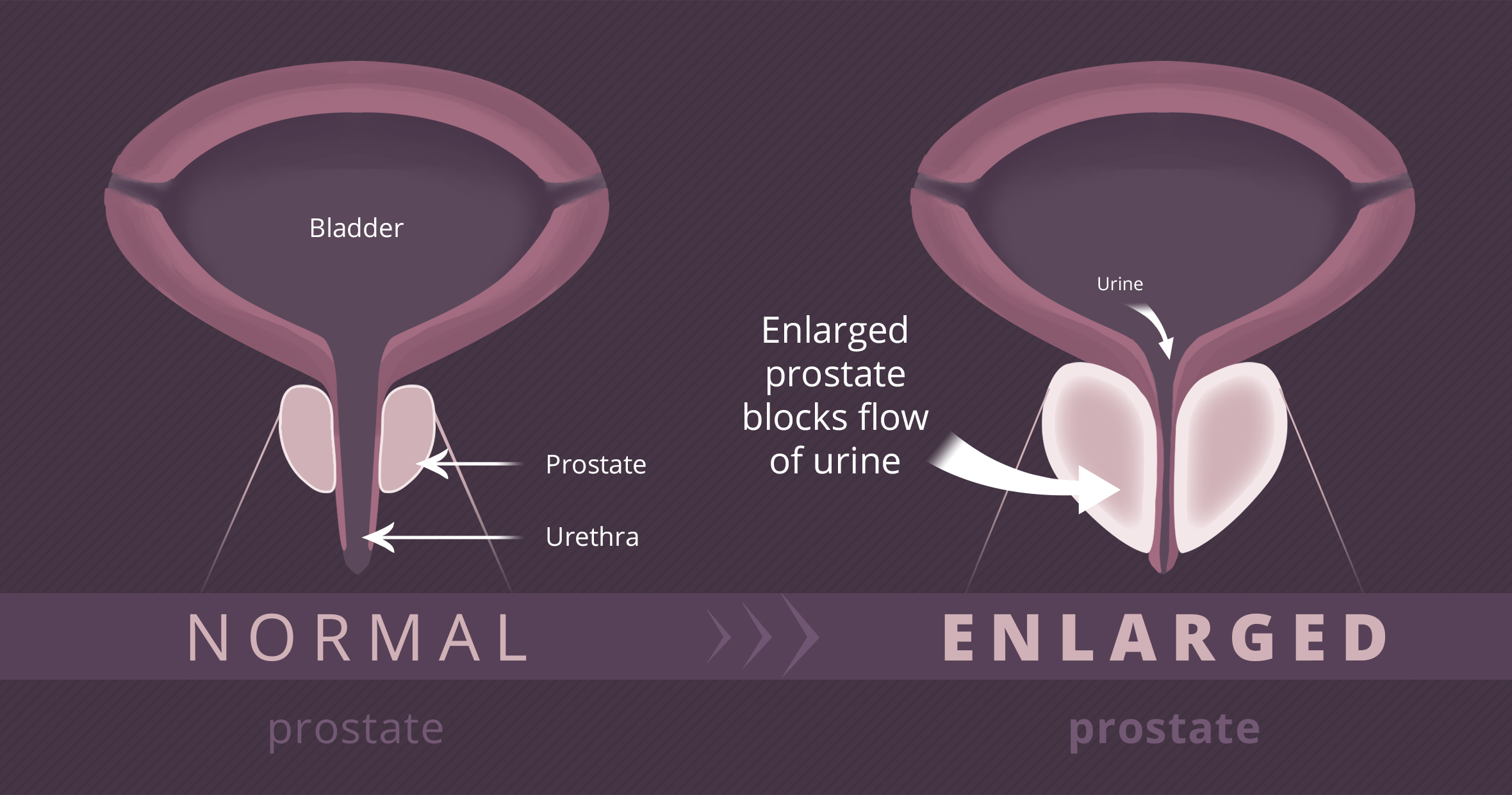
Benign Prostatic Hyperplasia (BPH) is the medical term for an enlarged prostate gland. The prostate, a walnut-sized gland located below the bladder, surrounds the urethra. As the prostate enlarges, it can squeeze the urethra, leading to difficulties in urination.
Causes and Risk Factors of BPH
Causes:
- Aging: The risk of BPH increases significantly with age.
- Hormonal Changes: Fluctuations in testosterone and dihydrotestosterone (DHT) contribute to prostate growth.
- Cellular Growth: Increased cell production in the prostate leads to its enlargement.
Risk Factors:
- Age: Men over 50 are more likely to experience BPH.
- Family History: A genetic predisposition can increase the risk.
- Lifestyle Factors: Obesity, lack of physical activity, and poor diet may contribute.
- Medical Conditions: Diabetes and heart disease have been linked to an increased risk of BPH.
Symptoms of BPH
BPH symptoms vary in severity and can include:
- Frequent urination, especially at night (nocturia)
- Difficulty starting urination (hesitancy)
- Weak or interrupted urine stream
- Urgency to urinate
- Incomplete bladder emptying
- Dribbling after urination
Diagnosis of BPH
Common Diagnostic Tests:
- Medical History & Physical Exam: Evaluating symptoms and family history.
- Digital Rectal Exam (DRE): The doctor assesses prostate size by inserting a finger into the rectum.
- Prostate-Specific Antigen (PSA) Test: Elevated PSA levels may indicate BPH or other prostate conditions.
- Urinalysis: Checks for infections or other issues.
- Uroflowmetry: Measures urine flow rate.
- Postvoid Residual Volume Test: Assesses remaining urine in the bladder after urination.
- Cystoscopy: Uses a small camera to inspect the urethra and bladder.
Treatment Options for BPH
Lifestyle Changes & Home Remedies
- Reducing caffeine and alcohol intake
- Avoiding drinking fluids before bedtime
- Regular physical activity
- Managing stress to reduce urinary urgency
Medications
- Alpha-Blockers: Relax prostate muscles (e.g., Tamsulosin, Alfuzosin)
- 5-Alpha Reductase Inhibitors: Reduce prostate size over time (e.g., Finasteride, Dutasteride)
- Combination Therapy: Using both medication types for better results
- Anticholinergics: Help control bladder symptoms
Minimally Invasive Procedures
- Transurethral Microwave Therapy (TUMT): Uses heat to shrink the prostate.
- Transurethral Needle Ablation (TUNA): Radiofrequency energy destroys excess tissue.
- Prostatic Urethral Lift (UroLift): Small implants hold the prostate away from the urethra.
Surgical Options
- Transurethral Resection of the Prostate (TURP): Common surgery to remove excess prostate tissue.
- Laser Surgery: Uses high-energy lasers to remove prostate tissue.
- Open Prostatectomy: A more invasive option for significantly enlarged prostates.
Potential Complications of Untreated BPH
If left untreated, BPH can lead to:
- Urinary tract infections (UTIs)
- Bladder stones
- Kidney damage
- Urinary retention (inability to urinate)
Prevention Tips for BPH
- Maintain a healthy weight
- Exercise regularly
- Eat a balanced diet rich in vegetables, healthy fats, and fiber
- Limit caffeine and alcohol consumption
- Stay hydrated
Conclusion
Benign Prostatic Hyperplasia (BPH) is a common condition among aging men that can significantly impact quality of life. Understanding the symptoms, seeking timely medical evaluation, and exploring treatment options can help manage the condition effectively. If you experience any symptoms of BPH, consult a healthcare professional to discuss the best approach for you.

Leave a Reply