
Introduction
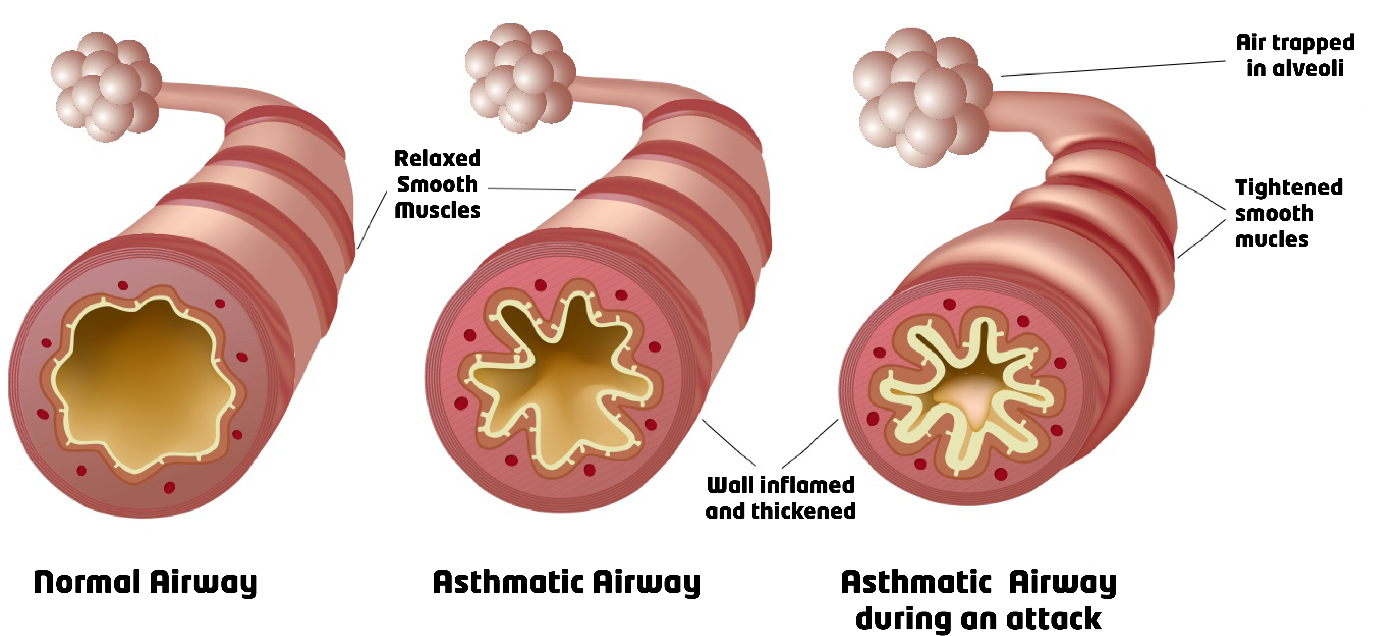
Millions of people around the world suffer from asthma, a chronic condition of the respiratory system. It makes the airways swell and become inflamed, making it hard to breathe. Understanding asthma, its causes, and management techniques can significantly improve the quality of life for those affected. This article will cover everything you need to know about asthma, from its symptoms and causes to treatment options and preventive measures.
What is Asthma?
In asthma, the airways become inflamed and swollen, making it difficult to breathe. It is a chronic condition that necessitates ongoing medical attention. Some people have mild asthma, while others may have severe attacks that could kill them. Causes of Asthma
Asthma can be caused by a number of things,
including: Genetics: Asthma in the family is more likely. Environmental Factors: Exposure to dust, smoke, pollution, and strong odors can trigger asthma.
- Allergies: Pollen, pet dander, mold, and dust mites are common asthma triggers.
- Respiratory Infections: Viral infections in childhood can increase asthma susceptibility.
- Weather Changes: Cold air, humidity, and temperature fluctuations may worsen symptoms.
Common Asthma Symptoms
Shortness of breath, especially during physical activity
Wheezing (whistling sound while breathing)
Coughing that lasts and is frequently worse at night Pain or tightness in the chest increased production of mucus
Types of Asthma
- Asthma is categorized according to its severity and triggers: Pollen or dust are examples of allergens that can cause allergic asthma. Non-Allergic Asthma: Caused by irritants like smoke or stress.
- Occupational Asthma: Due to workplace irritants such as chemicals.
- Asthma caused by exercise: Symptoms get worse when you exercise. Childhood vs. Adult-Onset Asthma: Children may outgrow asthma, while adults can develop it later in life.
Diagnosis of Asthma
Doctors diagnose asthma using:
- Spirometry and peak flow tests for lung function measure airflow. Allergy Tests: Identify possible allergic triggers.
- Medical History: Understanding family history and symptom patterns.
Management of Asthma Treatment
Treatment for asthma depends on the severity and triggers. It consists of: Corticosteroids, inhalers (for relieving and preventing asthma), and other medications Changing one’s lifestyle: staying active, avoiding triggers, and eating a healthy diet. Exercises for the Breath: Praised-lip breathing and diaphragmatic breathing both contribute to improved lung function. Immunotherapy: Allergy shots for severe allergic asthma cases.
Treatment Options for Asthma Preventing asthma attacks involves:
Avoiding allergens and irritants
Utilizing home air purifiers Managing one’s stress regularly taking prescription medications Getting vaccinated against respiratory infections
Home Remedies for Asthma Relief
Natural treatments for asthma symptoms include:
- Herbal Treatments: Ginger, turmeric, and honey are known for anti-inflammatory properties.
- Yoga and Breathing Exercises: Practices like pranayama improve lung capacity.
- Steam therapy: Inhaling steam helps open the airways and remove mucus. Children’s asthma: Special considerations Asthma-suffering children require extra care: Identifying and avoiding triggers
ensuring proper medication administration Promoting physical activity and treating symptoms at the same time Educating school staff about their condition
- Asthma and COVID-19: Risks and Precautions
- People with asthma should take extra precautions:
- Get vaccinated and stay up-to-date with boosters
- Follow hygiene measures like wearing masks in crowded places
- Keep asthma medications handy to prevent flare-ups
Conclusion
With the right treatment from a doctor and changes to one’s lifestyle, asthma can be managed. Asthmatic individuals can lead a healthy and active life by comprehending its causes, symptoms, and treatment options. A personalized asthma action plan and regular doctor visits are essential for long-term health and well-being.

Leave a Reply