
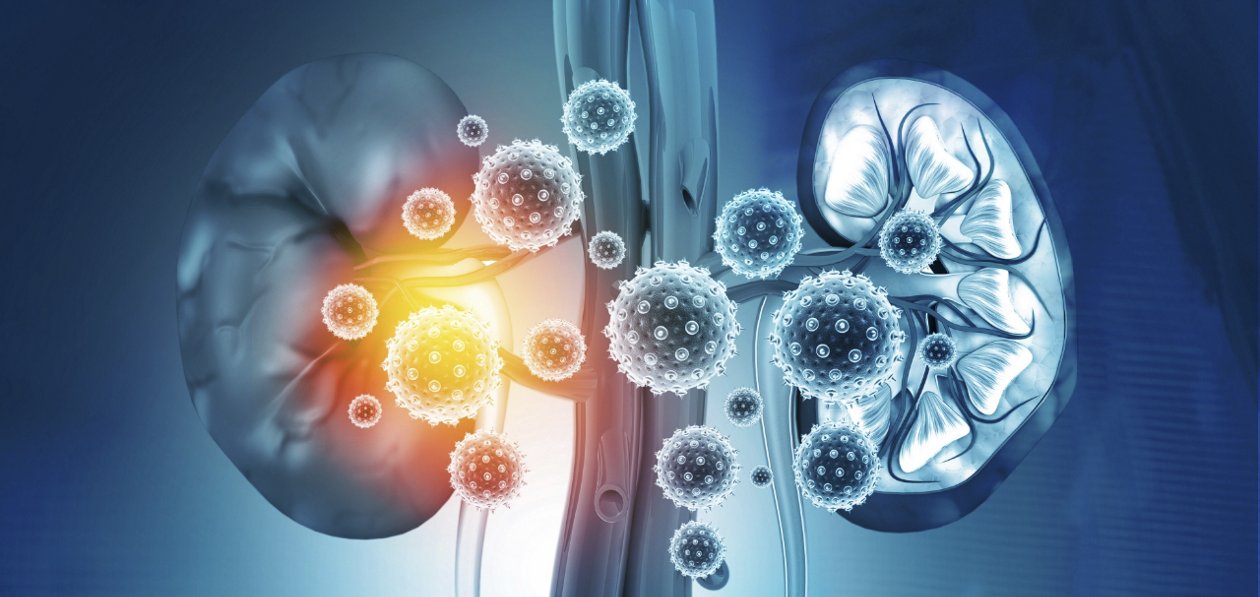
Introduction to Acute Kidney Injury (AKI)
Acute Kidney Injury (AKI), formerly known as acute renal failure (ARF), is a sudden decline in kidney function that occurs over hours to days. This condition disrupts the body’s ability to filter waste, maintain fluid balance, and regulate electrolytes. If left untreated, AKI can lead to severe complications, including chronic kidney disease (CKD) or even death.
Causes of Acute Kidney Injury
AKI is classified into three major categories based on the cause:
Pre-Renal Causes (Decreased Blood Flow to the Kidneys)
- Pre-renal AKI occurs due to reduced blood supply to the kidneys. Common causes include:
- Severe dehydration
- Low blood pressure (hypotension)
- Heart failure
- Blood loss due to surgery or trauma
- Sepsis and severe infections
Intrinsic Causes (Direct Kidney Damage)
Intrinsic AKI results from direct damage to kidney tissues. Common causes include:
- Acute tubular necrosis (ATN) due to toxins or ischemia
- Glomerulonephritis (inflammation of kidney’s filters)
- Autoimmune diseases (e.g., lupus nephritis)
- Medications like NSAIDs, antibiotics, or chemotherapy drugs
Post-Renal Causes (Obstruction in Urinary Tract)
Obstructive AKI occurs when urine flow is blocked, causing a buildup of waste. Causes include:
- Kidney stones
- Enlarged prostate (in men)
- Bladder cancer or tumors
- Severe urinary tract infections
Symptoms and Warning Signs of AKI
AKI can develop rapidly, and early detection is crucial for effective treatment. Common symptoms include:
- Decreased urine output or no urine production
- Swelling in legs, feet, or face (fluid retention)
- Shortness of breath
- Nausea and vomiting
- Confusion or mental fog
- Fatigue and weakness
- Chest pain (due to fluid buildup in the lungs)
Risk Factors for Acute Kidney Injury
- Certain conditions increase the risk of developing AKI:
- Chronic diseases: Diabetes, hypertension, and heart disease
- Age: Elderly individuals are at higher risk
- Surgery and hospital stays: Major surgeries, ICU admissions, and sepsis increase AKI risk
- Medications: Overuse of painkillers (NSAIDs), contrast dyes in imaging tests, and nephrotoxic drugs
Diagnosis and Tests for AKI
Doctors use several diagnostic tests to confirm AKI:
- Blood Tests: Measures creatinine, blood urea nitrogen (BUN), and electrolyte levels
- Urine Tests: Checks for protein, blood, or abnormal substances
- Imaging Tests: Ultrasound, CT scan, or MRI to detect obstructions
- Kidney Biopsy: Rarely done but can determine underlying kidney damage
Early detection through regular kidney function tests can prevent complications.
Treatment Options for Acute Kidney Injury
Treatment for AKI depends on the underlying cause and severity.
Medications and Supportive Care
- IV Fluids: To restore hydration and blood volume
- Diuretics: Helps remove excess fluid (used in some cases)
- Blood Pressure Management: Medications to stabilize BP
- Avoiding Nephrotoxic Drugs: Stopping harmful medications like NSAIDs or contrast dyes
Dialysis for Severe AKI
In cases of severe kidney failure, dialysis is needed to remove toxins and excess fluid.
Lifestyle and Dietary Changes
- Limit sodium, potassium, and phosphorus intake
- Increase hydration (unless restricted by a doctor)
- Monitor protein intake
- Avoid alcohol and smoking
Prevention of Acute Kidney Injury
You can reduce your risk of AKI by following these steps:
- Stay hydrated, especially during illnesses or heatwaves
- Manage chronic conditions like diabetes and hypertension
- Avoid excessive use of painkillers (NSAIDs)
- Monitor kidney function if taking high-risk medications
- Get regular health checkups if you have a history of kidney disease
Recovery and Prognosis of AKI
- Mild Cases: Full recovery within a few weeks
- Severe Cases: May lead to chronic kidney disease (CKD) or require long-term dialysis
- Long-Term Outlook: Depends on early diagnosis, treatment, and underlying health conditions

Leave a Reply