
Introduction
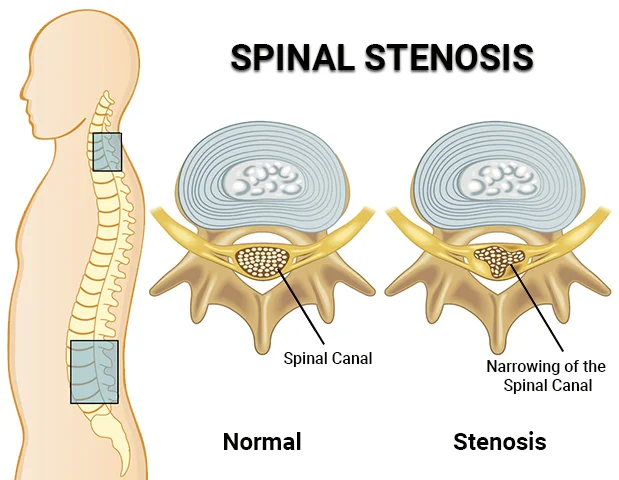
Spinal stenosis is a medical condition where the spaces within the spine narrow, putting pressure on the nerves. This can cause pain, weakness, numbness, and difficulty with movement. The condition primarily affects older adults but can also occur due to congenital factors or injuries. In India, with a rising aging population and lifestyle-related issues, spinal stenosis has become increasingly common.
Types of Spinal Stenosis
- Cervical Spinal Stenosis: Occurs in the neck region, potentially leading to arm weakness, neck pain, and even balance issues.
- Lumbar Spinal Stenosis: The most common form, affecting the lower back and often causing leg pain and difficulty walking.
- Thoracic Spinal Stenosis: Less common, but occurs in the mid-back region.
Causes of Spinal Stenosis
- Age-Related Degeneration: The most common cause due to wear and tear over time.
- Herniated Discs: When the soft discs between vertebrae protrude, they may press on spinal nerves.
- Bone Spurs (Osteophytes): Extra bone growth caused by arthritis can lead to narrowing of the spinal canal.
- Spinal Injuries: Accidents, fractures, and previous surgeries can contribute to stenosis.
- Tumors: Though rare, abnormal growths can compress the spinal cord.
Symptoms of Spinal Stenosis
Symptoms vary based on the severity and location of the stenosis:
- Neck or back pain that worsens with activity.
- Numbness, tingling, or burning sensations in arms, legs, or feet.
- Weakness in muscles, leading to difficulty walking.
- Loss of balance and coordination issues.
- Bladder or bowel dysfunction (in severe cases).
Diagnosis of Spinal Stenosis
A doctor may recommend:
- Physical Examination: Testing reflexes, strength, and pain response.
- MRI or CT Scan: Provides a detailed image of the spinal canal.
- X-ray: Helps identify bone spurs or fractures.
- Electromyography (EMG): Assesses nerve function.
Treatment Options for Spinal Stenosis
Non-Surgical Treatments:
- Physical Therapy: Strengthens muscles and improves mobility.
- Medications: Pain relievers, anti-inflammatory drugs, and muscle relaxants.
- Epidural Steroid Injections: Help reduce nerve inflammation.
- Lifestyle Changes: Weight management and posture improvement.
- Alternative Treatments: Yoga, acupuncture, and chiropractic care.
Surgical Treatments:
If non-surgical methods fail, surgery may be recommended:
- Laminectomy: Removes part of the vertebra to relieve nerve pressure.
- Spinal Fusion: Joins two or more vertebrae to stabilize the spine.
- Minimally Invasive Surgery: Reduces recovery time and risk of complications.
Preventing Spinal Stenosis
- Regular Exercise: Strengthens back and core muscles.
- Healthy Weight Maintenance: Reduces spinal pressure.
- Good Posture Habits: Avoids excessive strain on the spine.
- Avoid Heavy Lifting: Prevents unnecessary spinal damage.
Living with Spinal Stenosis
- Pain Management: Using medication and therapy to control discomfort.
- Assistive Devices: Canes, braces, and orthotic support improve mobility.
- Mental Health Support: Chronic pain can affect emotional well-being.
Conclusion
Spinal stenosis is a manageable condition with proper treatment and lifestyle adjustments. If you experience persistent back pain, weakness, or difficulty walking, consult a doctor for early diagnosis and treatment. Advances in medical technology continue to offer promising new solutions for spinal stenosis sufferers.

Leave a Reply