
Introduction
Sciatica and nerve compression are common conditions that cause pain, numbness, and discomfort, particularly in the lower back, legs, and buttocks. Millions of people worldwide suffer from sciatica due to factors such as poor posture, injuries, or underlying health conditions. Understanding its causes, symptoms, and treatment options can help manage and prevent this painful condition effectively.
What is Sciatica?
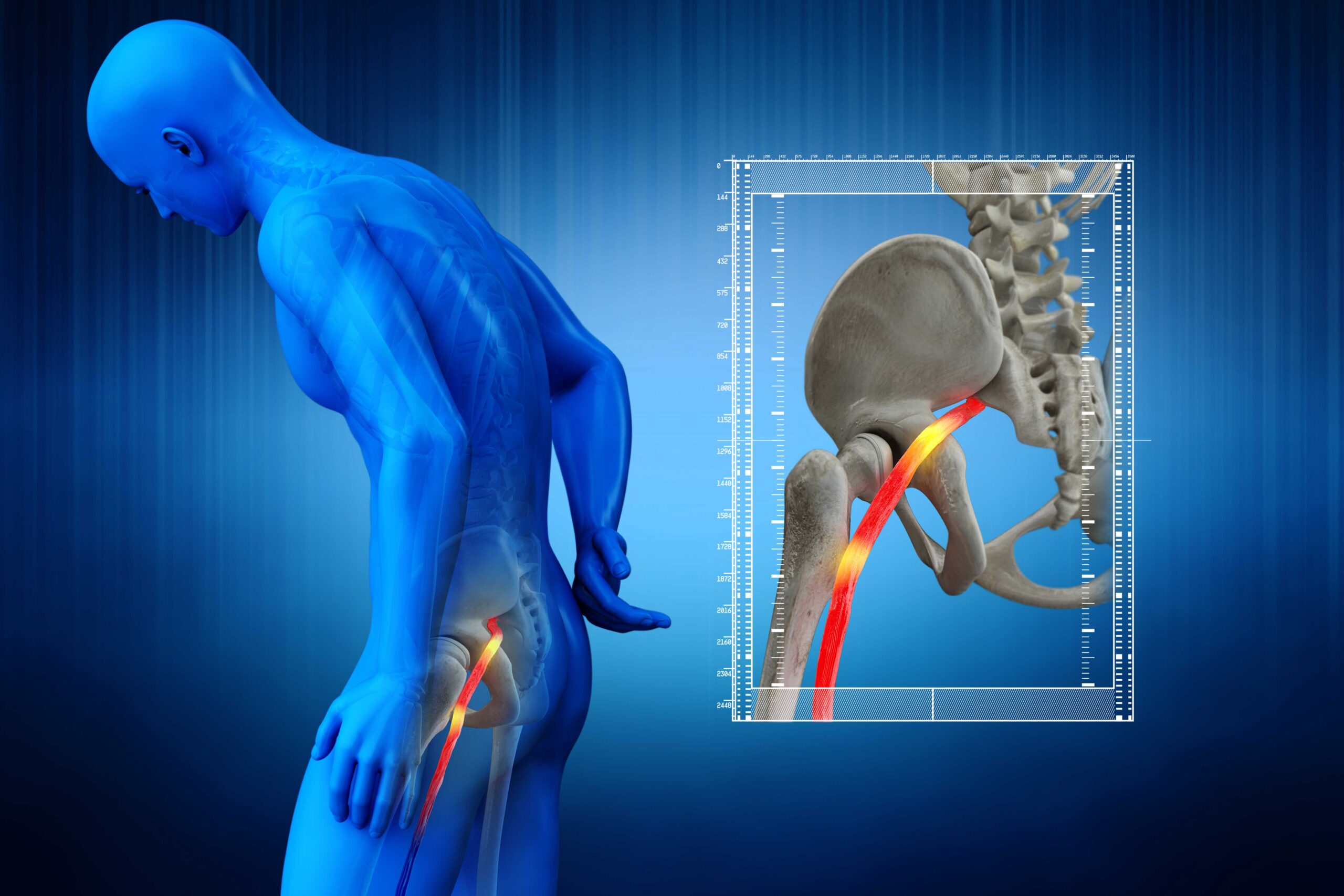
Sciatica is a condition that occurs when the sciatic nerve, which runs from the lower back down to the legs, becomes compressed or irritated. This results in pain, tingling, and weakness, affecting movement and daily activities. Sciatica is often a symptom of an underlying issue such as a herniated disc or spinal stenosis rather than a standalone disease.
Causes of Sciatica & Nerve Compression
Several factors can contribute to sciatic nerve compression:
- Herniated Discs: One of the most common causes, where the spinal disc bulges out and presses against the sciatic nerve.
- Spinal Stenosis: Narrowing of the spinal canal that compresses the nerves.
- Piriformis Syndrome: The piriformis muscle, located in the buttocks, can sometimes spasm and pinch the sciatic nerve.
- Injury or Trauma: Accidents, falls, or heavy lifting can damage the spine and lead to nerve compression.
- Poor Posture & Sedentary Lifestyle: Sitting for long hours or improper posture puts excess pressure on the lower back.
Symptoms of Sciatica & Nerve Compression
Symptoms can vary depending on the severity and cause, but common signs include:
- Sharp pain radiating from the lower back down to the legs.
- Tingling or numbness in the affected leg.
- Weakness in the leg or foot, making it difficult to walk.
- Burning sensation or shooting pain, especially when sitting or standing for long periods.
Diagnosis of Sciatica & Nerve Compression
To diagnose sciatica, doctors may perform:
- Physical examination to assess pain response and mobility.
- MRI or CT scans to check for disc herniation or spinal issues.
- X-rays to detect bone abnormalities.
- Nerve conduction studies to evaluate nerve function.
Treatment Options
Depending on the severity, sciatica can be treated through various approaches:
Non-Surgical Treatments:
- Medications: Over-the-counter pain relievers (ibuprofen, naproxen) help reduce inflammation.
- Physical Therapy: Stretching and strengthening exercises improve flexibility and reduce nerve pressure.
- Heat & Cold Therapy: Alternating between hot and cold packs can ease pain and inflammation.
- Chiropractic Adjustments: Manual spinal adjustments help align the spine and relieve nerve compression.
- Acupuncture: Some patients find relief through alternative therapies like acupuncture.
Surgical Treatments (For Severe Cases):
If non-surgical methods fail, surgery may be required:
-
• Microdiscectomy: Removes a portion of a herniated disc to relieve nerve pressure.
• Laminectomy: Removes part of the vertebrae to create more space for the nerve.
Home Remedies for Sciatica Relief
For mild cases, home treatments can provide relief:
• Stretching Exercises: Gentle lower back and hamstring stretches reduce nerve tension.
• Yoga: Specific yoga poses like child’s pose and cat-cow stretch help with flexibility.
• Posture Correction: Using ergonomic chairs and maintaining a good sitting posture prevents strain.
• Weight Management: Reducing extra weight eases pressure on the spine.
Preventing Sciatica & Nerve Compression
Prevention is key to avoiding long-term pain:
- Stay Active: Regular exercise, especially core-strengthening workouts, supports spinal health.
- Proper Lifting Techniques: Always bend at the knees, not the waist, when lifting heavy objects.
- Ergonomic Workstation: Ensure your desk setup supports a good posture.
- Take Breaks: Avoid prolonged sitting by standing and stretching every 30–60 minutes.
When to See a Doctor?
If sciatica symptoms persist for more than a few weeks or worsen, it’s essential to seek medical help. Red flags include:
- Severe weakness or difficulty walking.
- Loss of bladder or bowel control (a sign of a medical emergency).
- Unbearable pain that doesn’t improve with home treatments.
Conclusion
Sciatica and nerve compression can be extremely painful, but with early diagnosis and proper treatment, most cases can be managed effectively. Whether opting for lifestyle modifications, physical therapy, or medical intervention, understanding the condition is the first step toward recovery.
If you’re experiencing persistent sciatic pain, consult a healthcare professional for a personalized treatment plan.

Leave a Reply