
Introduction
A serious infectious disease, tuberculosis (TB) mostly affects the lungs but can also spread to other parts of the body. It is brought on by the bacteria Mycobacterium tuberculosis and is a major threat to public health worldwide, particularly in developing nations like India. This blog provides an in-depth look into TB, its causes, symptoms, diagnosis, treatment, and prevention.
What is Tuberculosis (TB)?
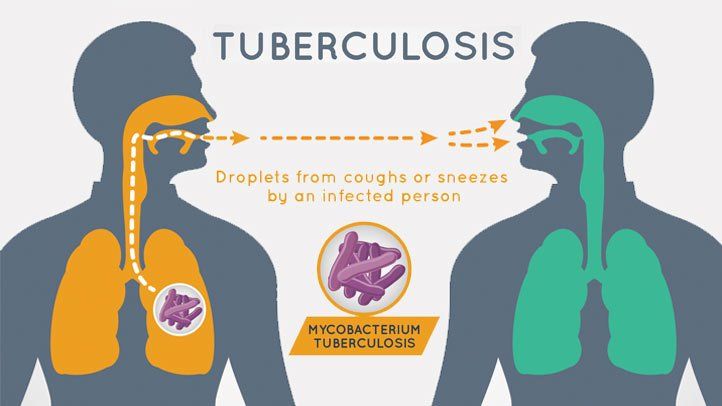
Tuberculosis is a contagious bacterial infection that spreads through airborne droplets when an infected person coughs or sneezes. It is classified into two types:
- Latent TB: The bacteria remain in the body without causing symptoms.
- Active TB: The person is contagious because the bacteria multiply and cause symptoms.
Causes of Tuberculosis
TB is caused by Mycobacterium tuberculosis, which spreads through the air when an infected person:
- Coughs
- Sneezes
- Speaks or sings
- People with weakened immune systems, malnutrition, diabetes, or those living in overcrowded conditions are at higher risk.
Symptoms of Tuberculosis
Common symptoms of active TB include:
- Persistent cough lasting more than three weeks
- Coughing up blood or mucus
- Chest pain Fever and night sweats
Unexplained weight loss
Weakness and fatigue If TB spreads to other organs, symptoms may vary depending on the affected area.
Diagnosis of Tuberculosis
Several diagnostic tests are used to detect TB, including:
- Tuberculin Skin Test (TST) – A small injection under the skin to check for a reaction.
- Blood Tests (IGRA Tests) – Interferon-gamma release assays to detect TB bacteria.
- Sputum Test – Analysis of mucus from the lungs for bacteria.
- Chest X-ray or CT Scan – To identify lung damage caused by TB.
Conclusion
Tuberculosis is a preventable and curable disease, but early diagnosis and adherence to treatment are crucial. Raising awareness, improving healthcare infrastructure, and vaccination can help control TB effectively. If you experience symptoms, seek medical advice immediately to prevent complications.

Leave a Reply