
Introduction
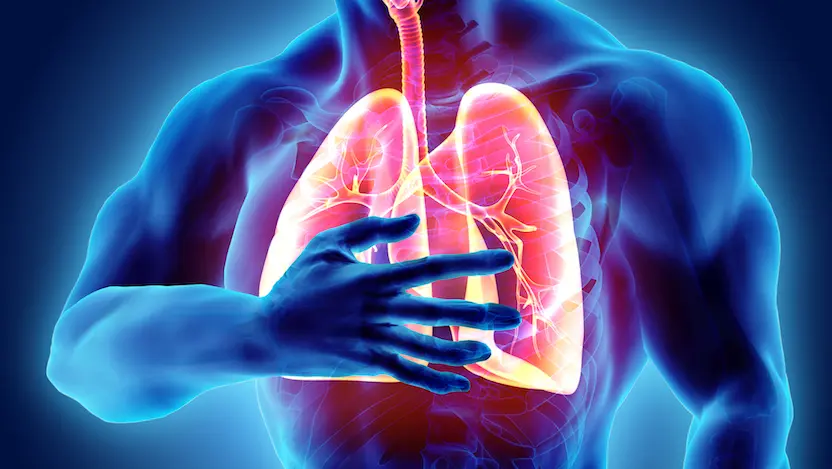
A life-threatening condition known as Pulmonary Embolism (PE) is brought on by a blockage in one of the pulmonary arteries in the lungs. The most common cause is deep vein thrombosis, in which blood clots travel from the legs or other parts of the body. To avoid complications and increase survival rates, it is essential to comprehend its symptoms, diagnosis, and treatment.
What is Pulmonary Embolism (PE)?
Pulmonary Embolism occurs when a blood clot, usually from a deep vein thrombosis (DVT), breaks loose and travels to the lungs, obstructing blood flow. If not treated promptly, this blockage can reduce blood oxygen levels and strain the heart, resulting in severe complications or death.
Pulmonary Embolism Causes
The risk of developing PE is increased by a number of factors, including: The most common cause of blood clots in the legs is called deep vein thrombosis (DVT). Prolonged Immobility – Long periods of inactivity, such as during long flights or bed rest, can contribute to clot formation.
Surgery and Trauma – Post-surgical recovery and injuries increase the risk of clot development.
Cancer, heart disease, and disorders of the blood clotting process raise the risk. Factors in one’s life such as smoking, obesity, and using an oral contraceptive can all contribute to the formation of clots. Pregnancy: During pregnancy, the increased pressure in the veins increases the likelihood of clot formation. Embolism of the Pulmonary System
The symptoms of PE vary based on the size of the clot and the extent of lung involvement. Common symptoms include:
Even without exertion, sudden shortness of breath can occur.
- Chest pain is a sharp, stabbing pain that gets worse when you cough or breathe deeply. Coughing up blood – In severe cases, hemoptysis may occur.
- Rapid Heart Rate (Tachycardia) – Due to decreased oxygen levels.
Syncope is a condition in which there is a reduced supply of oxygen to the brain. - Leg Swelling and Pain – Indicative of an underlying deep vein thrombosis.
Diagnosis of Pulmonary Embolism
Accurate diagnosis is crucial to preventing fatal complications.
- Common diagnostic methods include:
The D-dimer blood test measures substances in the blood that are related to clots. - A high-resolution CT pulmonary angiography scan that looks for blood clots in the lungs.
- Ventilation-Perfusion (V/Q) Scan – Assesses airflow and blood flow in the lungs.
- Ultrasound of the Legs – Checks for DVT, which may have caused the PE.
- Electrocardiogram (ECG) – Helps rule out heart-related conditions.
- X-ray of the chest to rule out any other lung conditions with similar symptoms.
Treatment for an Embolism of the Pulmones The treatment aims to stop the clot from growing and to stop the formation of new clots. Some common methods include:
1. Medications
Blood thinners, also known as anticoagulants, like warfarin and heparin, stop new clots from forming. Thrombolytics (Clot Busters) – Used in severe cases to dissolve clots quickly.
2. Surgical and Interventional Procedures
A device that is inserted into the vein and called an “Inferior Vena Cava Filter” prevents blood clots from reaching the lungs. Catheter-Based Procedures – Involves removing or breaking down clots via a catheter.
3. Lifestyle Modifications and Prevention
- Exercise Regularly – Improves blood circulation and reduces clot risk.
- Keep hydrated—Prevents blood from becoming thicker. Avoid Prolonged Immobility – Move frequently during long flights or bed rest.
- Quit Smoking – Reduces blood clot risks.
- Manage Weight and Diet – Helps maintain overall cardiovascular health.
- Consequences of a Pulmonary Embolism If left untreated, PE can lead to severe complications, including:
- Pulmonary Hypertension – Increased blood pressure in lung arteries.
- Chronic Thromboembolic Pulmonary Hypertension (CTEPH) – Long-term blockage of lung arteries.
- Right heart failure occurs when the heart is put under more stress. Sudden Cardiac Arrest – Can be fatal if the embolism is large.
Conclusion
Pulmonary Embolism is a serious medical condition requiring immediate attention. Early detection and timely treatment can significantly improve patient outcomes. Understanding risk factors, recognizing symptoms, and adopting preventive measures are crucial steps in reducing the incidence of PE. If you experience symptoms, seek medical attention promptly to prevent life-threatening complications.

Leave a Reply