
Introduction
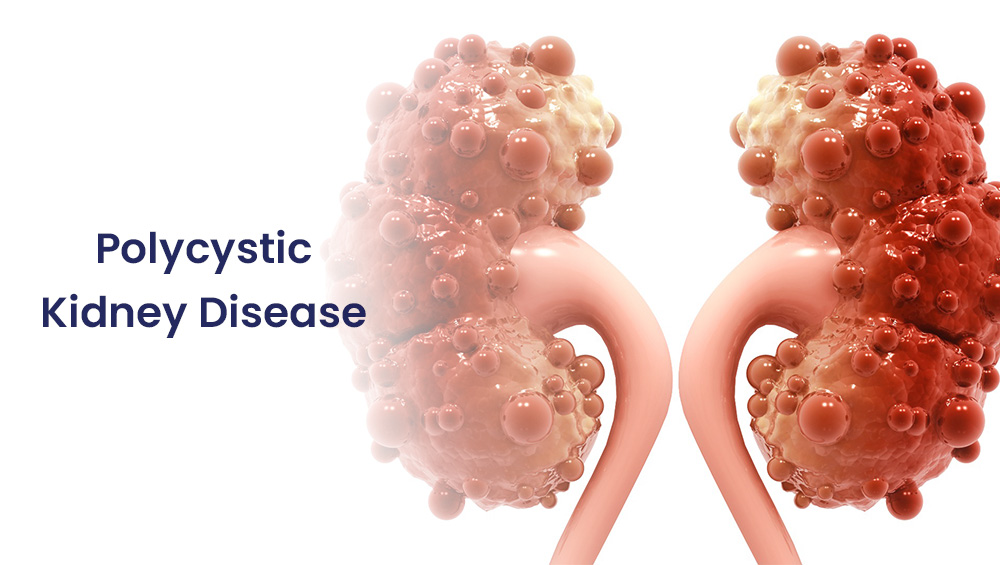
Polycystic Kidney Disease (PKD) is a genetic disorder that causes numerous cysts to form in the kidneys, leading to enlarged kidneys and potential kidney failure. This chronic condition affects millions of people worldwide and is one of the leading causes of kidney disease. Understanding PKD, its symptoms, treatment options, and lifestyle modifications can help patients manage their health effectively.
What is Polycystic Kidney Disease (PKD)?
PKD is an inherited disorder characterized by the growth of fluid-filled cysts in the kidneys.These cysts can enlarge the kidneys and affect their ability to function properly. The condition can also lead to complications such as high blood pressure and kidney failure.
Types of PKD
- Autosomal Dominant Polycystic Kidney Disease (ADPKD)
- Most common form of PKD
- Symptoms usually appear between ages 30-40
- Often inherited from one parent
- Autosomal Recessive Polycystic Kidney Disease (ARPKD)
- Rare and severe form
- Symptoms can appear in infancy or early childhood
- Both parents must carry the faulty gene
Causes of PKD
PKD is primarily caused by genetic mutations that lead to abnormal cyst growth in the kidneys. The two main genes responsible for ADPKD are PKD1 and PKD2, while ARPKD is linked to the PKHD1 gene.
Symptoms of PKD
The symptoms of PKD vary depending on the severity and type of the disease. Some common symptoms include:
- High blood pressure
- Back or side pain
- Increased kidney size
- Blood in urine (hematuria)
- Frequent urinary tract infections (UTIs)
- Kidney stones
- Fatigue
- Swelling in the abdomen due to enlarged kidneys
Diagnosis of PKD
To diagnose PKD, doctors may use a combination of:
- Family History Review – Checking if close relatives have PKD.
- Imaging Tests:
- Ultrasound – Detects cysts in kidneys.
- CT Scan (Computed Tomography) – Provides detailed images of kidneys.
- MRI (Magnetic Resonance Imaging) – Detects smaller cysts at early stages.
- Genetic Testing – Identifies mutations in PKD-related genes.
Treatment for PKD
There is no cure for PKD, but treatment focuses on managing symptoms and slowing disease progression.
Medications
- Tolvaptan – FDA-approved drug to slow cyst growth.
- Pain relievers – Nonsteroidal anti-inflammatory drugs (NSAIDs) should be used cautiously.
- Antihypertensive medications – Help control blood pressure.
- Antibiotics – Used for urinary tract infections.
Lifestyle and Dietary Changes
- Maintain low-sodium diet to control blood pressure.
- Drink plenty of water to reduce cyst formation.
- Eat kidney-friendly foods like fruits, vegetables, and whole grains.
- Avoid alcohol and caffeine as they may accelerate cyst growth.
Dialysis and Kidney Transplant
- Dialysis is required when kidney function drops significantly.
- Kidney transplant is a potential option for end-stage kidney disease patients.
Complications of PKD
If not managed properly, PKD can lead to severe complications, such as:
- Chronic kidney disease (CKD) or kidney failure
- High blood pressure
- Aneurysms (especially in the brain)
- Liver cysts
- Heart valve abnormalities
- Pregnancy complications
Preventive Measures & Management
Although PKD cannot be prevented, lifestyle modifications can help manage the disease effectively:
- Regular blood pressure monitoring
- Avoid smoking and excessive alcohol intake
- Maintain a healthy weight through regular exercise
- Regular kidney function checkups
Conclusion
Polycystic Kidney Disease (PKD) is a serious genetic disorder that requires lifelong management. Early diagnosis, medical intervention, and lifestyle changes can help slow its progression and improve the quality of life. If you have a family history of PKD, consider regular health screenings and consult a nephrologist for personalized care.

Leave a Reply