
Introduction
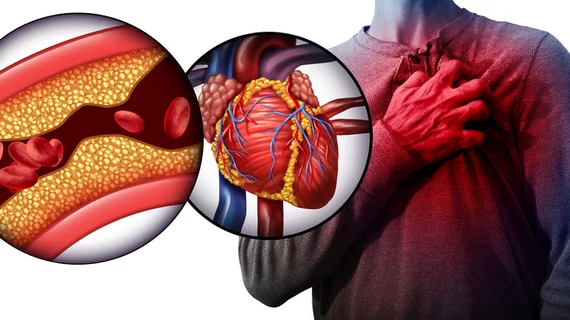
In India, cardiovascular diseases (CVDs) account for nearly 28% of total mortality and are among the leading causes of death. With lifestyle changes, urbanization, and genetic predisposition, heart-related ailments are on the rise. This article provides a detailed insight into cardiovascular diseases, their causes, symptoms, prevention, and treatment options available in India.
How do Cardiovascular Diseases Work?
A group of conditions that affect the heart and blood vessels are referred to as cardiovascular diseases. The most typical types are: Coronary Artery Disease (CAD) – Blockage or narrowing of coronary arteries, leading to heart attacks.
- Hypertension (High Blood Pressure) – A major risk factor for heart disease and stroke.
- Heart Failure – A condition where the heart is unable to pump blood efficiently.
- Arrhythmias – Irregular heartbeats that can be life-threatening.
- Stroke – A sudden disruption of blood flow to the brain.
- Congenital Heart Diseases – Heart defects present at birth.
Causes and Risk Factors
In India, a number of factors contribute to the rising incidence of cardiovascular diseases, including:
Lifestyle Factors
- Consumption of unhealthy fats, sugar, and processed foods Physical inactivity
- Smoking and alcohol consumption
- Chronic stress
Medical Conditions
- Hypertension, or high blood pressure, Diabetes
- High cholesterol levels
- Obesity
Genetic and Environmental Factors
- Family history of heart disease
- Stressors in the environment and pollution Cardiovascular Disease Signs and Symptoms The signs and symptoms of cardiovascular disease can vary, but the most common ones are: discomfort or pain in the chest (angina) Shortness of breath
- Fatigue and dizziness
- swelling in the legs, feet, and ankles Irregular heartbeat (palpitations)
Prevention of Cardiovascular Diseases
Preventive measures can significantly reduce the risk of heart diseases. Here’s how:
Healthy Diet
- Include heart-friendly foods like fruits, vegetables, whole grains, and lean proteins.
- Reduce intake of saturated fats, trans fats, salt, and sugar.
Regular Exercise
- Daily moderate exercise of at least 30 minutes (brisk walking, cycling, or yoga) should be your goal. 3. Avoid Smoking and Alcohol
- Smoking increases the risk of heart attacks and strokes.
- Excessive alcohol intake raises blood pressure and weakens heart muscles.
Stress Reduction Practice meditation, yoga, or deep breathing to reduce stress.
- Maintain a work-life balance and engage in hobbies.
Regular medical examinations Monitor blood pressure, cholesterol, and blood sugar levels.
- Regular ECG and heart screenings help in early detection of heart issues.
Treatment Options for Cardiovascular Diseases in India
Medications
Doctors prescribe medications such as:
- To lower blood pressure, antihypertensives are used. To lower cholesterol levels, statins are used. Blood thinners – To prevent clot formation.
Surgical and Non-Surgical Procedures
- Stents and angioplasty are used to open up clogged arteries. To increase blood flow, bypass surgery is performed. Defibrillators and pacemakers are used to treat heart rhythm disorders. Heart Transplant – For severe heart failure cases.
Alternative and Complementary Therapies
- Ayurveda and Yoga: Practicing yoga and following Ayurvedic therapies can support heart health.
- Alternative treatment options for managing mild symptoms include homeopathy and unani. India’s Best Hospitals for Cardiovascular Care India is home to some of the best cardiac hospitals known for world-class treatment:
Cardiovascular Disease Treatment Costs in India
1. Angioplasty & Stent Placement
-
Cost Range: ₹75,000 – ₹2,00,000
Note: The cost can increase if multiple stents are required or if the procedure is complex.
2. Heart Bypass Surgery (CABG)
-
Cost Range: ₹1,50,000 – ₹4,50,000
Note: The cost may vary depending on the number of bypasses and the complexity of the surgery.
3. Heart Valve Replacement
-
Mechanical Valve: ₹2,50,000 – ₹6,00,000
-
Biological Valve: ₹2,50,000 – ₹3,50,000
Note: The type of valve and the patient’s condition can influence the cost.
4. Heart Transplant
-
Cost Range: ₹18,00,000 – ₹25,00,000
Note: This includes pre-transplant evaluations, surgery, and post-operative care.
5. Pacemaker Implantation
-
Cost Range: ₹2,50,000 – ₹4,50,000
Note: The cost may vary based on the type of pacemaker and the hospital’s facilities.
6. Congenital Heart Defect Repair
-
Cost Range: ₹2,50,000 – ₹8,00,000
Note: The complexity of the defect and the type of surgery required can affect the cost.
7. Cardiac Arrest Treatment
-
Initial Management (CPR, Medications, Defibrillation): ₹50,000 – ₹1,50,000
Note: The cost may increase if advanced procedures like angioplasty or bypass surgery are needed subsequently.
Conclusion
Cardiovascular diseases are a major health concern in India, but they can be effectively managed with the right preventive measures and prompt treatment. Heart disease risk reduction relies heavily on a healthy lifestyle, regular checkups, and awareness. If you experience any symptoms, consult a cardiologist immediately for the best care.

Leave a Reply